

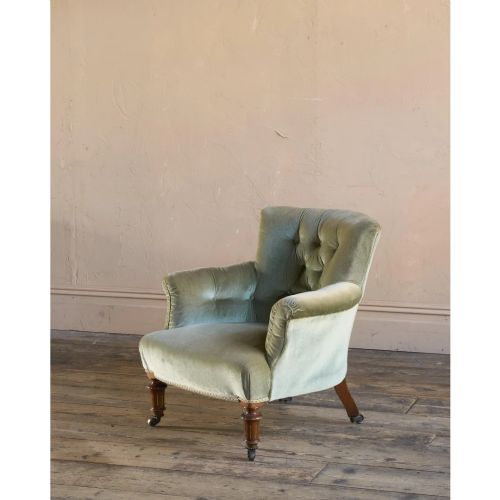


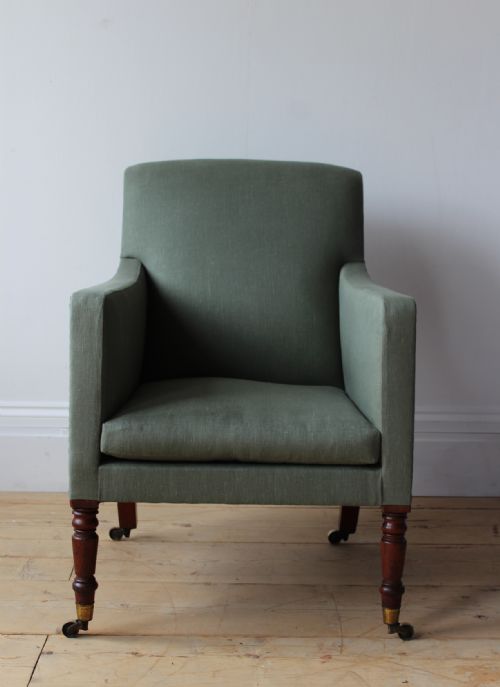


Sage Upholstered Armchair
A sage upholstered armchair brings together period woodwork and soft textiles, offering a comfortable seat for a study or drawing room.
Sage Upholstered Armchair
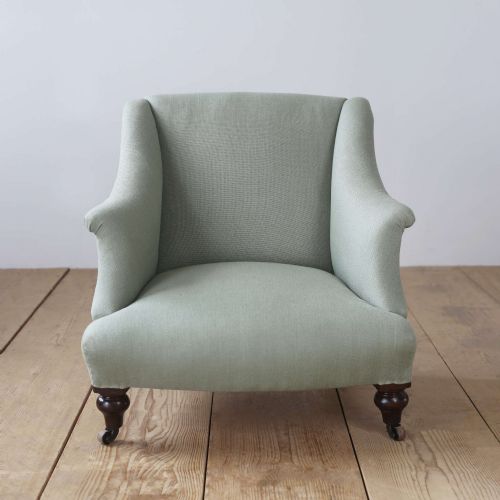
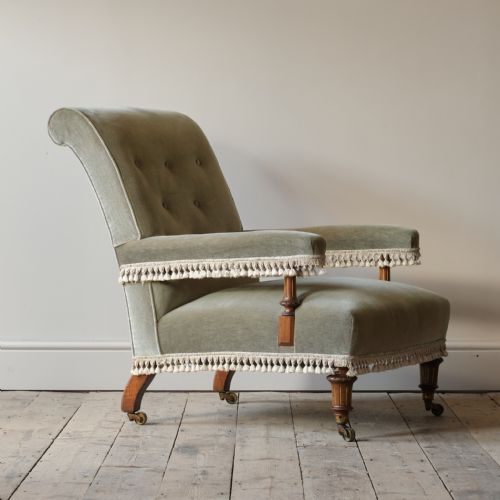
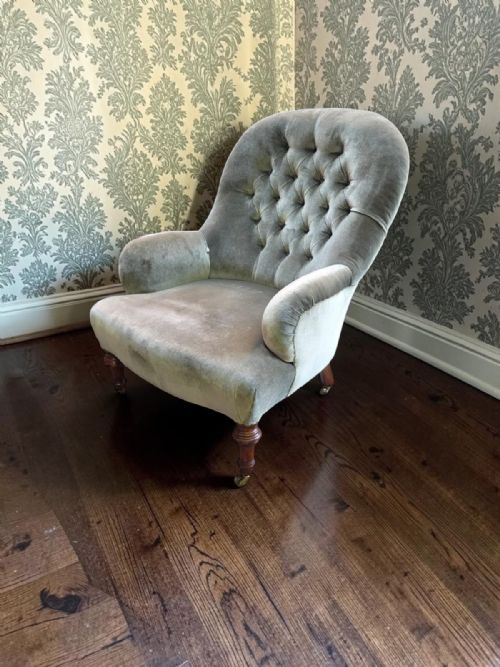
A sage upholstered armchair takes the form of traditional seating upholstered in soft green fabric, appearing in formats from nineteenth-century library chairs to Edwardian button-back designs. These seats provide generous proportions and supportive backs intended for reading or resting.
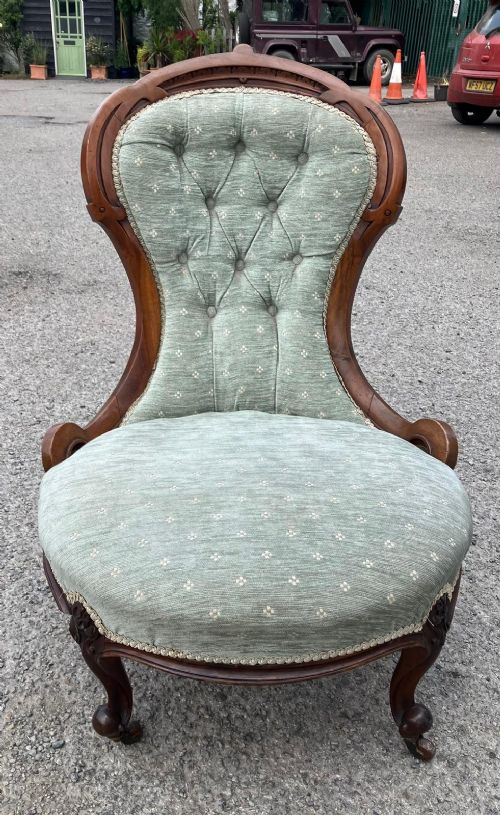
Buyers encountering this group will most frequently find nineteenth-century examples alongside Victorian and Edwardian iterations. Armchairs and nursing chairs dominate the selections, often featuring exposed wooden frames paired with velvet, linen upholstery, or tapestry.
Origins stretch across British and French traditions, encompassing styles such as Louis XVI and William and Mary. The underlying frames utilise traditional cabinet timbers including mahogany and walnut.
How they were made
Makers constructed the structural frames from solid hardwoods like walnut and mahogany, employing traditional joinery to ensure stability under daily use. Carved details and giltwood accents appear on specific stylistic variants.
Upholstery techniques combined internal stuffing with durable outer textiles such as velvet, linen, and tapestry panels. Brass hardware and decorative studs frequently secured the edges of the fabric to the wooden framework.
Sage Upholstered Armchair Retail Price Guide 2026
Typical asking prices for sage upholstered armchair among the pieces listed under this phrase on Sellingantiques today, from the lower quarter to the upper quarter. They describe what is for sale here now, not the wider market.
Listings feature pieces spanning the nineteenth century, the Edwardian era, and William and Mary styles, utilising walnut, mahogany, and velvet.
What varies in quality
The refinement of the woodwork separates standard examples from exceptional pieces, particularly where hand-carved details or giltwood finishes show crisp execution. Gillows pieces demonstrate superior cabinet-making standards through precise lines and balanced proportions.
The grade of the textile and the complexity of the upholstery work define the upper tier of execution. Button-back padding and needlepoint panels require specialist skill that distinguishes master craftsmanship from simpler production.
Gillows·Howard and sons
The Sage Upholstered Armchair Glossary
- Button back
- A style of upholstery where depressions are formed in the padding by stitches or buttons pulled tight into the backing. This technique secures the internal filling and creates a patterned surface.
- Nursing chair
- A low-seated armchair designed historically for comfort while feeding infants or attending to personal grooming. These chairs typically feature a compact footprint and an upright back.
- Giltwood
- Wood that has been coated with a thin layer of gold leaf or gilt powder. This finish appears on decorative frames to imitate solid gold.
- Open armchair
- A seat featuring un-upholstered wooden arms that expose the timber structure. These chairs often highlight carved details along the arm supports and legs.
Sage Upholstered Armchair: Frequently Asked Questions
Where should I place an armchair?
These chairs suit studies, libraries, and living spaces where a comfortable seating option is required.
Their traditional timber frames and textile finishes coordinate well with both period interiors and contemporary rooms.
How do I identify Victorian pieces?
Victorian examples often employ walnut or mahogany and feature button-back upholstery or curved nursing chair proportions.
Construction details reflect nineteenth-century cabinet-making standards and revival styles popular during that reign.
What materials make up the frames?
Frames consist primarily of traditional hardwoods such as mahogany and walnut, occasionally enhanced with brass elements.
Exposed wooden sections show the natural grain and colour of the timber selected by the cabinet-maker.
Are these chairs comfortable for daily use?
Upholstered armchairs provide structured back support and padded seating designed for extended periods of sitting.
Generous proportions and soft textile coverings ensure they function practically as everyday furniture.