



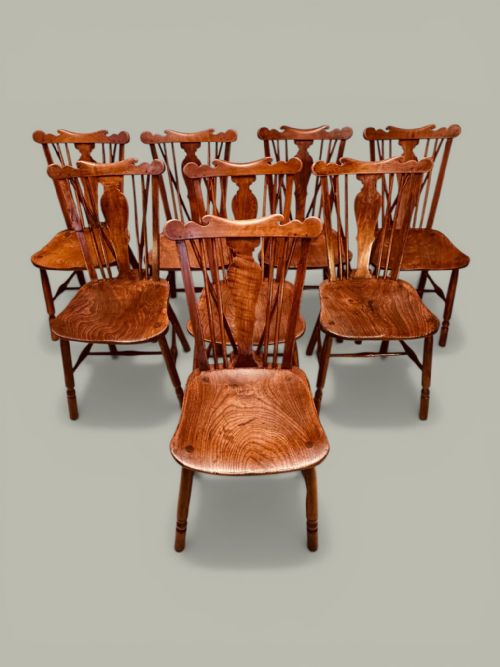


Saddle Seat Wooden Chair
Saddle seat wooden chair pieces are robust vernacular seating forms, offering deep-sculpted comfort and honest timber construction for everyday domestic use.
Saddle Seat Wooden Chair
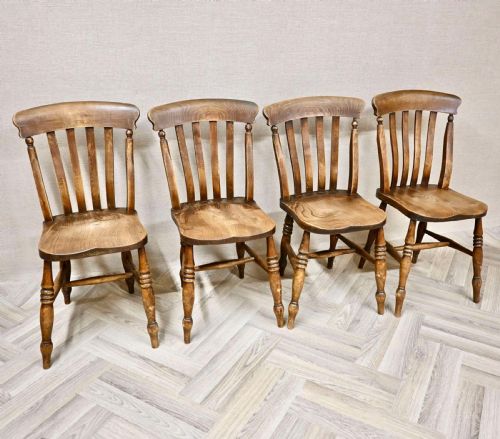
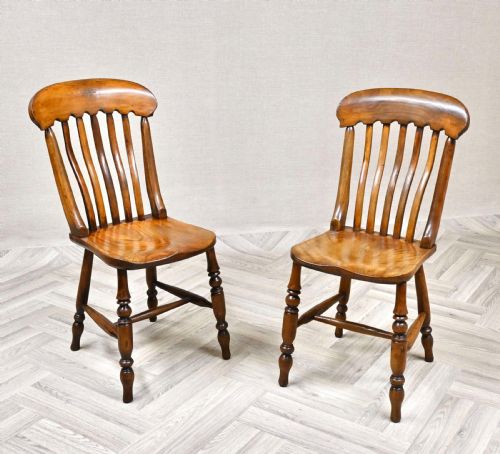
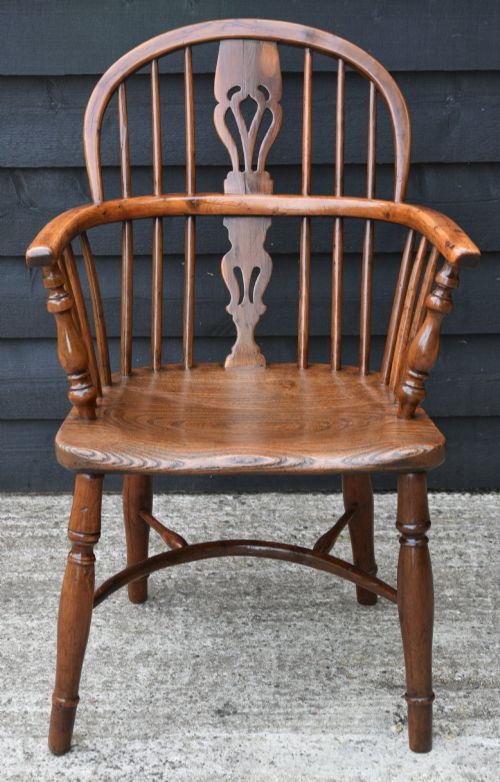
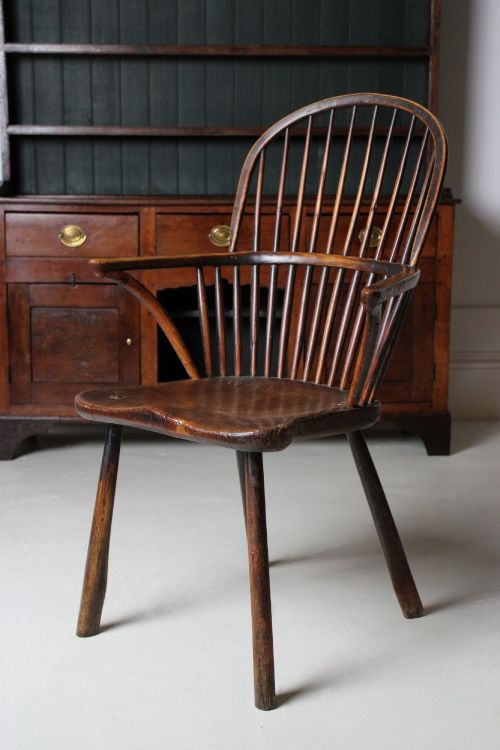
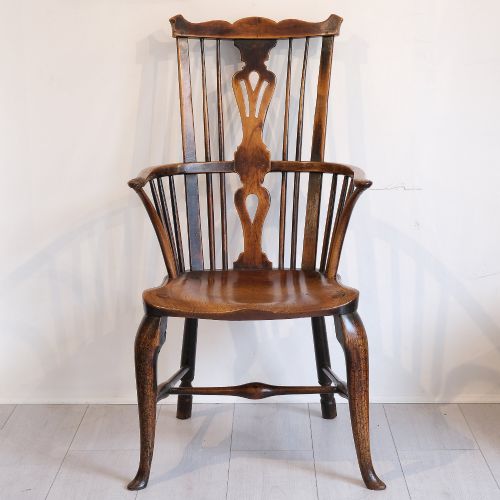
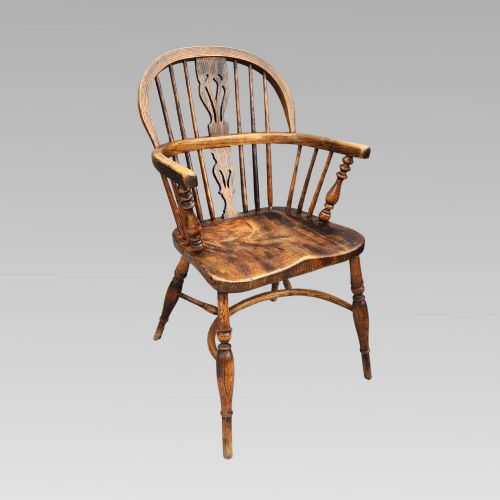
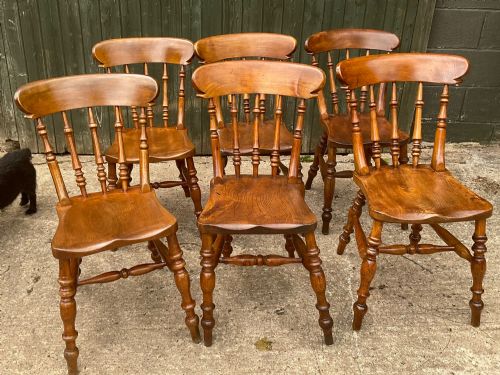
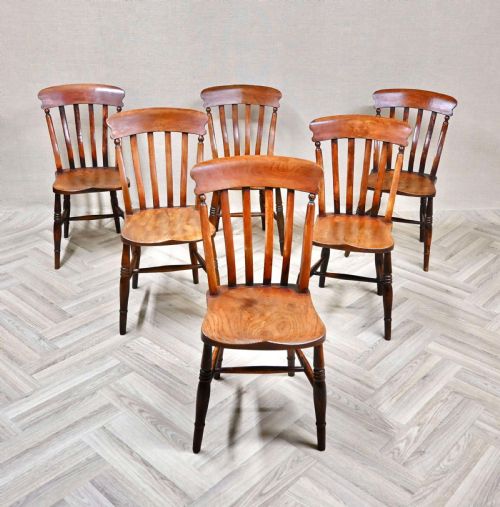
A saddle seat wooden chair is predominantly encountered as a Windsor armchair, kitchen chair, or smoker's bow originating from English country workshops during the eighteenth and nineteenth centuries.
Makers utilised familiar domestic forms such as armchairs, dining chairs, desk chairs, and low stools, accommodating domestic tasks with ergonomic carved wooden seats.
Materials and Construction
Construction relies on a combination of native timbers, pairing elm seats shaped with an adze or scorper with bentwood hoops, ash spindles, and yew or fruitwood arms.
Joinery employs traditional bodging techniques where turned legs and back spindles are wedged directly into bored holes in the solid wooden saddle seat.
Makers selected flexible woods like ash and yew for steam-bent bows and staves, ensuring structural resilience alongside durable hardwoods for the main frame.
Some nineteenth-century Windsor chairs retain slight adze marks on the underside of the seat, left by the maker's shaping tool.
Craftsmanship and Proportion
Quality rests in the depth of the saddle sculpting, the harmonious taper of the turned undercarriage, and the preservation of original timber patination.
Superior examples exhibit well-balanced proportions, elegant comb or hoop backs, and tight joints without excessive timber replacement or dry shrinkage splits.
James Shoolbred
The Saddle Seat Wooden Chair Glossary
- Saddle seat
- A wooden chair seat sculpted with hollows and contours to mimic an equestrian saddle. This shaping distributes weight comfortably for the sitter.
- Windsor chair
- A chair built with a solid wooden seat into which the legs and back sticks are independently inserted. These pieces rely on stick-construction methods rather than a continuous frame.
- Smoker's bow
- A low-backed Windsor armchair featuring a rounded continuous arm rail supported by turned spindles. These robust chairs were common in provincial offices and smoking rooms.
- Comb back
- A Windsor chair style where the central spindles rise to form a horizontal top rail resembling a hair comb. This regional variation appeared frequently in eighteenth-century pieces.
- Bodger
- A traditional pole-lathe turner working in woodland clearings to supply chair legs and components to urban and rural assembly shops. Their output formed the basis of many vernacular seats.
Saddle Seat Wooden Chair: Frequently Asked Questions
What is a saddle seat wooden chair?
A saddle seat wooden chair is a traditional form featuring a thick timber seat scooped out by hand for ergonomic comfort. These pieces include regional Windsor designs and kitchen chairs built by vernacular makers.
Such seating relies on separate turned legs and back spindles fitted directly into the solid wood base. They represent generations of practical woodworking traditions across British households.
How do I date an old wooden chair?
Dating depends on observing tool marks, timber combinations, and the evolution of back styles from Georgian comb backs to Victorian hoop backs. Early pieces often feature native yew wood and fruitwood.
Construction details like hand-turned undercarriages and the degree of wear on the saddle seat provide further clues. Comparing regional design traits helps narrow the period of manufacture.
Are these chairs comfortable for daily use?
The deep excavation of the wooden seat provides surprising ergonomic support for prolonged sitting. Many models were designed specifically for dining, writing desks, or kitchen tasks.
Adding a loose cushion can increase comfort while preserving the historic timber surface. Their sturdy frames handle everyday domestic demands with ease.
How do I care for antique timber chairs?
Protect the wood by keeping chairs away from direct heat sources and sudden humidity changes. Natural beeswax polish helps nourish dry timbers and maintains the historic finish.
Avoid using modern chemical sprays that can degrade the aged surface. Regular gentle dusting keeps the patina stable over time.