


Rustic Yew Wood Seat
These rustic yew wood seat examples are traditional wooden seating forms offering historic character and robust country craftsmanship for daily use.
Rustic Yew Wood Seat
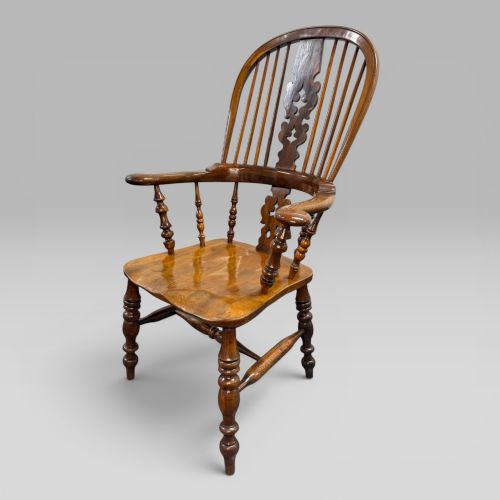
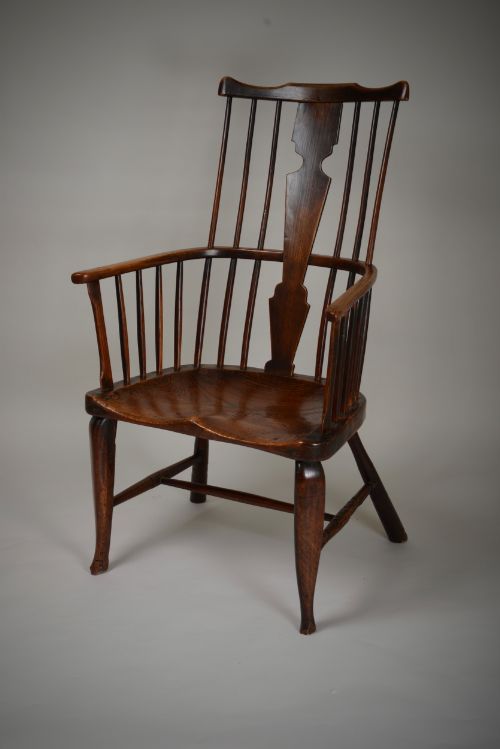
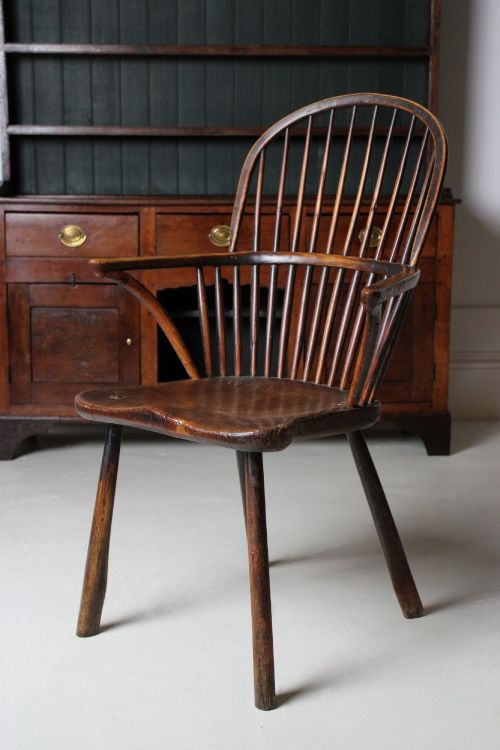
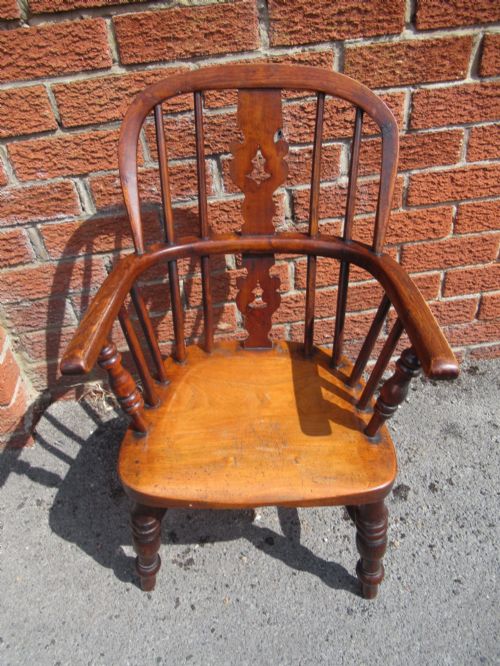
A rustic yew wood seat brings enduring vernacular design into a room, drawing on centuries of English country furniture making. Buyers seeking a rustic yew wood seat most frequently encounter nineteenth century Windsor chairs and armchairs shaped by regional traditions.
The selection ranges from Thames Valley high-back armchairs to low child's chairs and stools, spanning eighteenth century origins through to Victorian periods. These seating forms demonstrate robust joinery, combining turned spindles with carved wooden planks.
Makers utilised local timbers, pairing yew with elm, ash, and beech to construct resilient seating for everyday domestic life. The resulting forms include comb-back, stick-back, and pad-arm variations shaped for practical comfort.
Materials and construction methods
Craftsmen shaped dense yew wood for prominent elements like bowed crest rails and spindle framing, valuing its rich grain and natural durability. Elm served reliably for solid saddle seats, selected for its interlocking grain that resisted splitting under weight.
Turned beech and ash formed the structural legs and supporting spindles, joined securely to the thick wooden seat planks using traditional wedged tenons. Master bodgers and country joiners utilised pole lathes and drawknives in woodland workshops before final assembly.
Surface finishes developed naturally through sustained handling over generations, leaving warm patinas across the combined timber components without heavy modern varnishes.
Current selections encompass 18th century, 19th century, and Victorian periods, featuring elm, yew, ash, beech, and brass materials.
Quality factors in traditional seating
The articulation of the comb back or spindle arrangement dictates the visual rhythm and structural balance of each chair. Higher grade examples display carefully contoured arm bow bends and deeply sculpted seats that follow ergonomic lines.
The selection of timber grain heavily influences the character of the piece, with richly figured yew wood commanding particular attention for its deep colour variation. Sound timber selection without excessive structural replacement preserves the integrity of the original construction.
Regional attribution also plays a role, as evidenced by fine Thames Valley pieces known for refined turning and generous proportions compared to simpler vernacular workshops.
The Rustic Yew Wood Seat Glossary
- Windsor chair
- A wooden chair built with a thick solid saddle seat into which the legs and back spindles are separately tenoned. This construction method provides notable strength and stability.
- Comb back
- A chair back featuring an upper headrest rail supported by vertical spindles that resemble the teeth of a comb. This style offers both decorative presence and comfortable lumbar support.
- Pad arm
- An armchair design where the wooden arm terminates in a flattened, rounded pad shape for resting the hands. It represents a refined regional refinement on standard stick-back chairs.
- Vernacular
- Furniture made by local regional artisans following traditional domestic patterns rather than academic high-style architectural designs. These objects prioritise utilitarian purpose and available local materials.
Rustic Yew Wood Seat: Frequently Asked Questions
How do I care for a yew wood seat?
Maintain the timber by applying natural beeswax periodically to nourish the dry grain and preserve the historic surface patina.
Keep the chair away from direct heat sources and dramatic humidity shifts to prevent timber shrinkage and joint loosening.
Are these chairs comfortable for daily sitting?
Many people find the deeply saddled wooden seats surprisingly ergonomic because they were carved to distribute weight evenly across the plank.
Adding a simple loose cushion can provide extra softness while retaining the authentic historic appearance of the seat.
What is the difference between eighteenth and nineteenth century chairs?
Earlier eighteenth century examples often display lighter spindle arrangements and more pronounced regional vernacular quirks from specialised woodland workshops.
Nineteenth century pieces frequently exhibit standardised Victorian production methods while maintaining traditional country forms.
Why is yew wood used in these chairs?
Yew offers exceptional strength combined with striking decorative grain patterns that age gracefully with continuous handling over generations.
Its density made it ideal for steam-bending into continuous arm bows without snapping under tension.