



Rustic Wooden Step Stool
These rustic wooden step stool finds are hardworking utility pieces that bring honest character and practical elevation to any room.
Rustic Wooden Step Stool
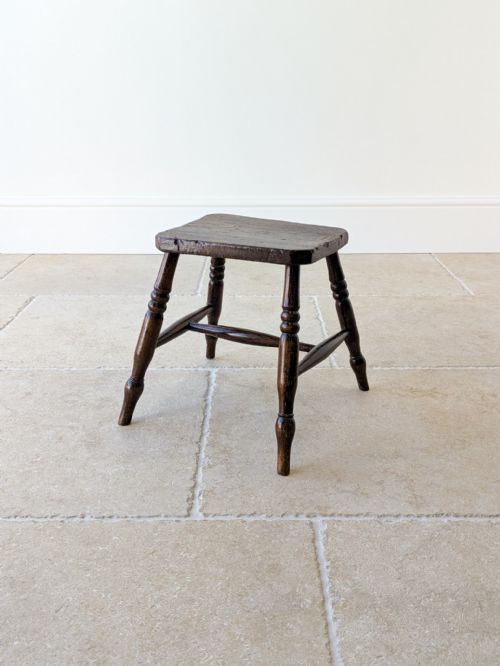
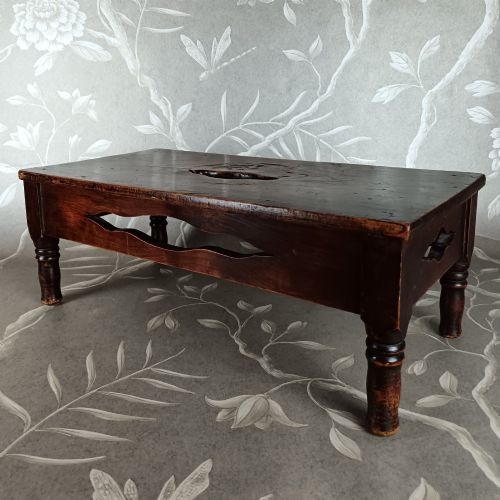
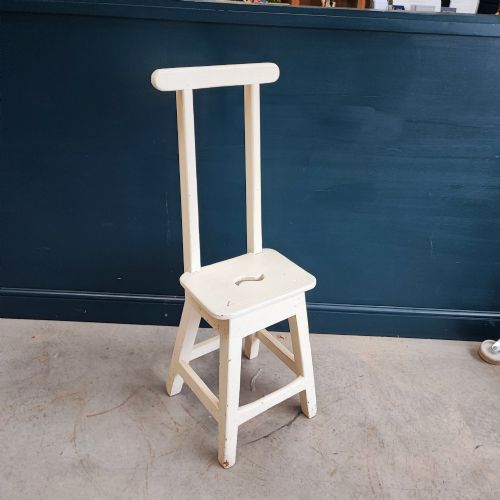
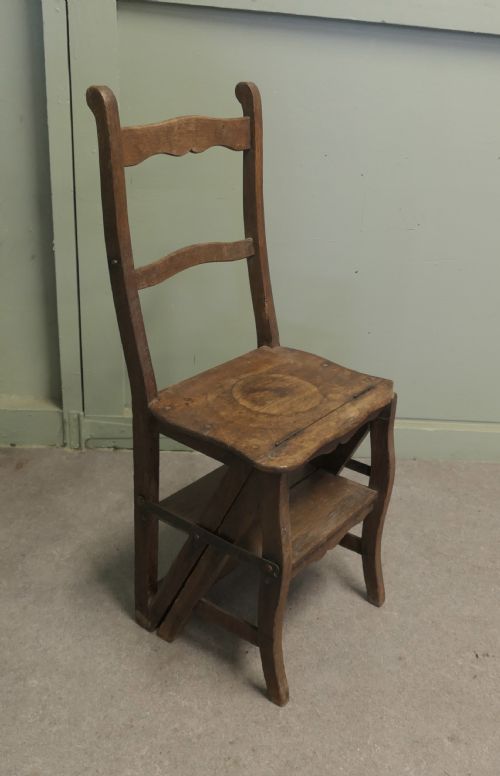
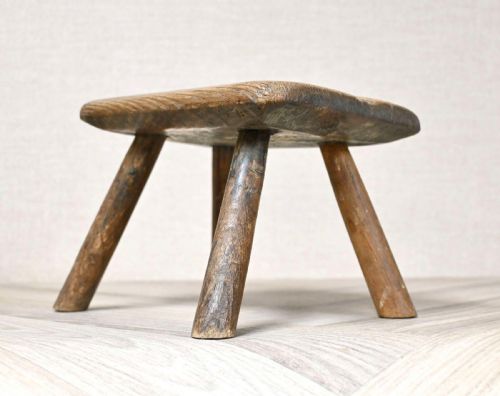
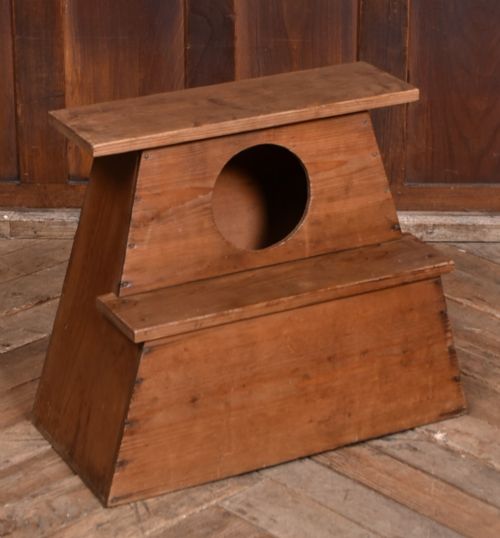
When you search for a rustic wooden step stool, you encounter a varied collection of utilitarian items ranging from humble country seating to clever metamorphic furniture. These pieces cross paths with library steps, kitchen ladders, and low hearth stools, spanning centuries of practical domestic design.
The nineteenth century supplies the largest share of examples on this page, often built from sturdy pine, oak, or elm. You will regularly find regional variations such as French epicerie steps, Japanese vendor stools, and utilitarian railway steps sitting alongside simple farmhouse footstools.
While some pieces serve purely for climbing or reaching high shelves, others double as low seats or incorporate clever folding mechanisms. Their everyday origins mean they wear their practical history openly, showing the dents and scuffs of decades of real use.
How they were made
Makers relied on honest timber selections like solid oak, pitch pine, and elm to withstand heavy daily stepping and sitting. These materials were chosen for density and strength rather than decorative grain, ensuring the frame could bear substantial weight safely.
Construction techniques prioritised durability over ornamentation, featuring robust joints, iron brackets, and sturdy rungs designed for hard labour. Many items incorporate functional hardware, from simple hinges on metamorphic chairs to reinforced iron supports on industrial steps.
Rustic Wooden Step Stool Retail Price Guide 2026
Typical asking prices for rustic wooden step stool among the pieces listed under this phrase on Sellingantiques today, from the lower quarter to the upper quarter. They describe what is for sale here now, not the wider market.
The object forms range from library steps and step ladders to low footstools, slipper boxes, and vendor stools.
What varies in quality
The distinction between ordinary utility items and superior examples lies in the integrity of the original construction and the survival of honest surfaces. Pieces retaining their unstripped patination and original ironwork hold greater appeal than those heavily sanded or altered over time.
Structural honesty and clever design separate simple benches from sophisticated folding library steps or metamorphic chairs. A well-proportioned frame with tight joints demonstrates the maker's original skill, ensuring the piece remains stable and useful today.
The Rustic Wooden Step Stool Glossary
- Metamorphic furniture
- Pieces designed to transform from one form of furniture into another, such as a chair that unfolds into a set of steps. This ingenious dual purpose made them valuable in compact spaces.
- Epicerie steps
- Small ladder steps historically used in French grocery shops to reach high shelves of provisions. They are typically fashioned from pine and display a lightweight yet sturdy frame.
- Hearth stool
- A low seat positioned near a fireplace for warmth during colder months. These early forms prioritised modest height and sturdy wooden construction.
- Pitch pine
- A resinous softwood noted for its durability and strong grain pattern. It frequently appears in nineteenth-century utilitarian footstools and library steps.
- Primitive country
- A descriptive term for vernacular furniture made by local carpenters without formal stylistic pretensions. These objects value raw utility above academic design rules.
Rustic Wooden Step Stool: Frequently Asked Questions
How were these steps used originally?
These items served practical roles in homes, shops, and libraries for reaching high shelves, tending fires, or sitting close to the hearth. Their portable nature allowed workers and household members to move them easily wherever elevation or a low seat was required.
Industrial and railway examples also handled heavy daily duties in commercial settings. Over time, their reliable utility made them indispensable fixtures in domestic and working environments alike.
How do I date an old step stool?
Dating relies on observing tool marks, timber types, and the style of iron hardware employed in the construction. Hand-sawn boards and early fastening methods typically point toward eighteenth or nineteenth-century origins.
Later pieces from the twentieth century often display standardised fixings and machine-milled timber. Comparing the wear patterns with known period styles helps narrow down the decade of manufacture.
How should I care for the wood?
Maintain the timber by applying occasional coats of natural wax to nourish the dry surface and protect the historic patina. Avoid harsh modern chemical cleaners that can strip away the accumulated character built up over centuries of use.
Keep these pieces away from direct heat sources and drastic humidity changes to prevent the solid wood from splitting. Gentle dusting with a dry cloth is generally all the maintenance required.