




Rustic Wooden Pots
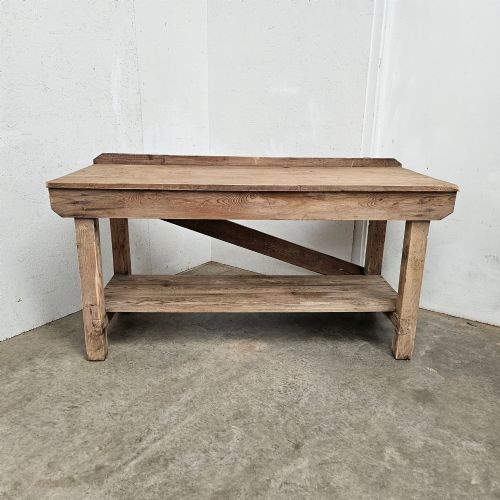
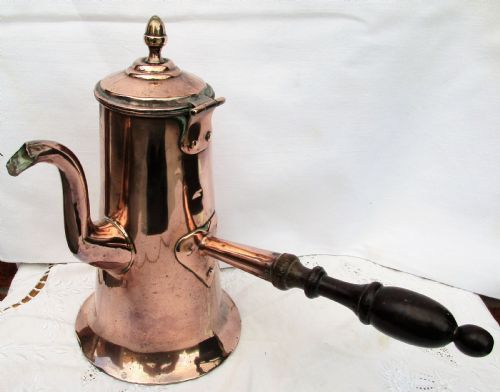
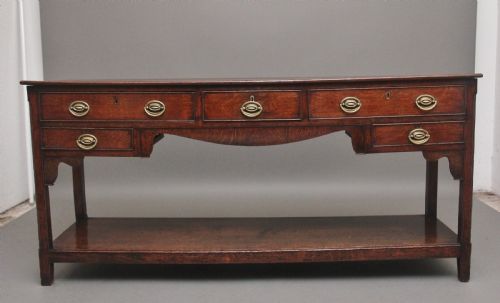
These rustic wooden pots and vessels are honest, hard-working domestic and utilitarian objects that bring genuine history and texture into a room.
Rustic Wooden Pots
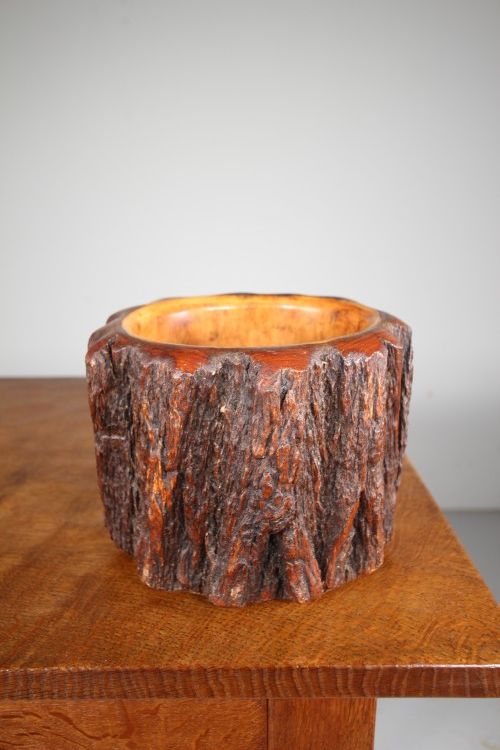
The objects most frequently met on this page include turned wooden churns, carved wooden vessels, sycamore jars, treen stem bowls and dug-out planters. These pieces originated across British and European workshops, reflecting practical rural traditions where timber served as the primary medium for storage and preparation.
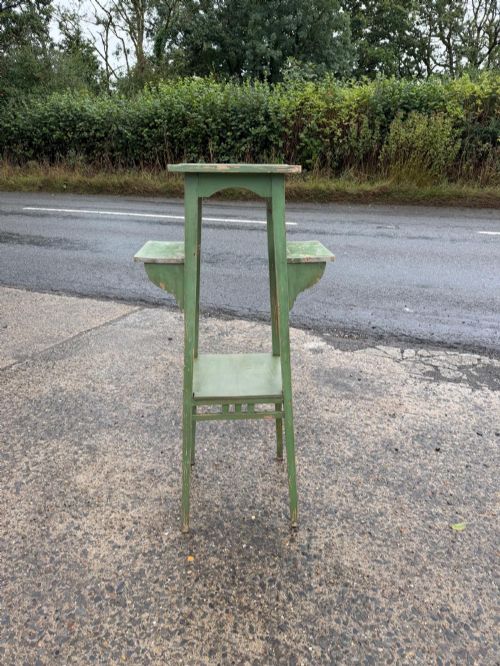
Alongside smaller vessels, the inventory often encompasses related utilitarian forms such as mortars, pots and plant stands shaped from pine, oak, elm and sycamore. Each piece bears the distinct marks of its working life, maintaining an unpretentious utility that defines the rustic aesthetic.
How they were made
Maker-craftsmen utilised regionally available hardwoods and softwoods such as pine, oak, sycamore, elm and fruitwood, selecting timber for its density and grain character. Turning on a lathe formed circular vessels and churns, while other items emerged through direct carving and hollowing out of solid tree trunks.
Surface preparation relied on traditional methods, leaving tool marks, adze textures and original patinas intact rather than applying heavy modern finishes. Many surviving examples retain traces of early paint, surface wax or natural oils that accumulated through decades of handling and workshop use.
Rustic Wooden Pots Retail Price Guide 2026
Typical asking prices for rustic wooden pots among the pieces listed under this phrase on Sellingantiques today, from the lower quarter to the upper quarter. They describe what is for sale here now, not the wider market.
Listings feature items spanning the eighteenth century through to the early twentieth century, constructed from pine, oak, sycamore, elm and fruitwood.
What varies in quality
Quality in these utilitarian items rests on the integrity of the original timber and the degree to which primary tool work remains undisturbed by later alterations. Superior pieces display crisp turning lines, harmonious proportions in dug-out forms, and stable structural timber that has aged naturally without excessive replacement parts.
The presence of untouched original surface paint or deep historical patination elevates an example above standard weathered stock. Clean conservation that retains honest wear separates desirable collector pieces from items with over-restored or stripped surfaces.
The Rustic Wooden Pots Glossary
- Treen
- Small handmade wooden domestic objects such as bowls, spoons and small containers. These items were essential to historical households and are prized for their tactile qualities.
- Dug-out
- A vessel or container formed by hollowing out a single solid piece of tree trunk or log. This direct method of construction results in thick, organic walls and heavy stability.
- Patina
- The deep surface sheen and colour developed over decades or centuries through handling, waxing and natural oxidation. A genuine patina provides visual evidence of an object's age and history.
- Turned
- Shaped on a rotating lathe using cutting tools to create symmetrical profiles. This technique produced uniform jars, churns and bowls from green or seasoned timber.
Rustic Wooden Pots: Frequently Asked Questions
What were rustic wooden pots used for?
These vessels served practical daily functions in farmhouses, dairies and workshops, holding dry goods, liquids, or garden plants.
Over time, their utilitarian roles shifted, and today they are utilised primarily as decorative interior objects that showcase natural timber grain.
How do I care for antique wooden pots?
Keep these pieces away from direct heat sources and sudden temperature shifts to prevent the timber from drying out and splitting.
Feed the wood occasionally with a traditional beeswax polish to maintain the surface sheen and protect the historic fibres.
How can I tell the age of a wooden pot?
Age is determined by examining the tool marks left by lathes or hand-carving chisels, alongside the depth of the surface patina.
Earlier nineteenth and eighteenth-century pieces often display hand-wrought details and timber shrinkage patterns distinct from later machinery-made items.
Are these wooden pots waterproof?
Most antique turned and carved vessels were designed for dry storage or general utility rather than holding standing water.
If utilised for plants or cut flowers, place a discreet inner liner inside the vessel to protect the historic timber from moisture damage.