


Rustic Wooden Panel
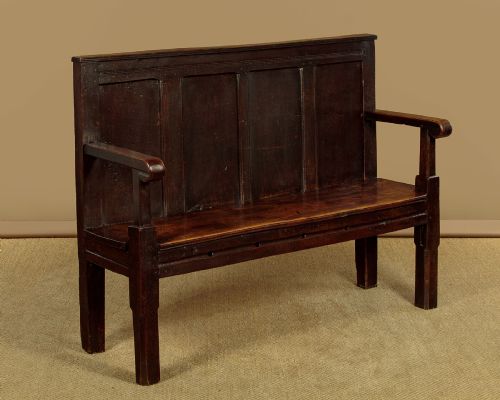
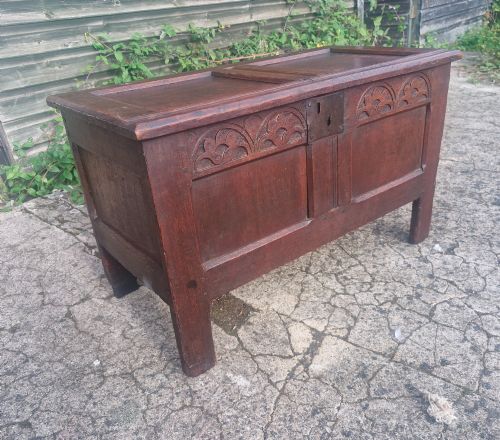
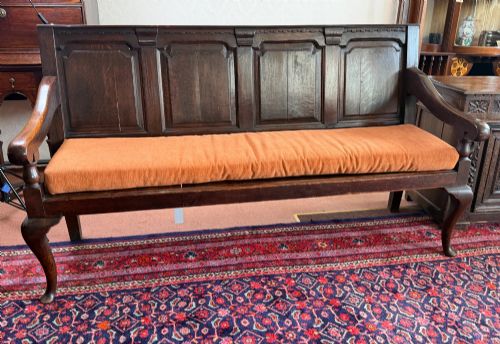
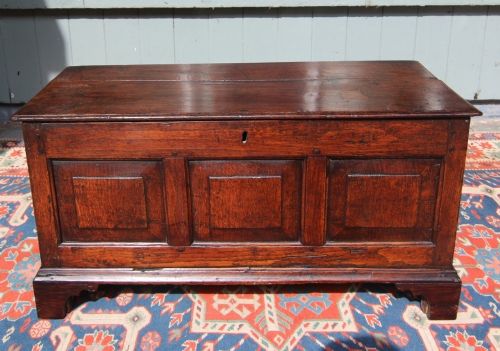
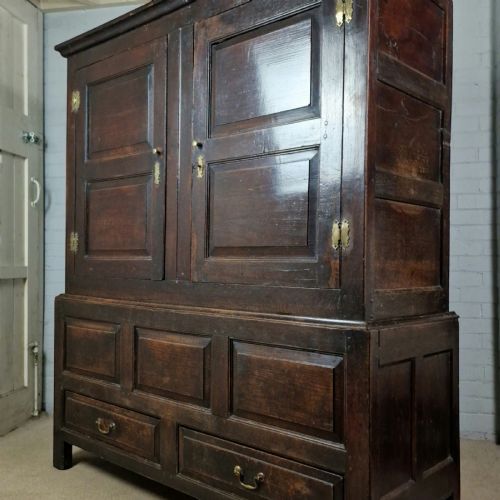
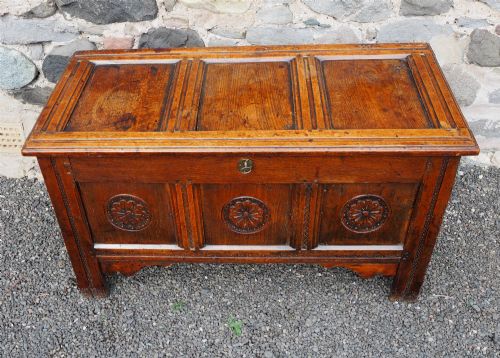
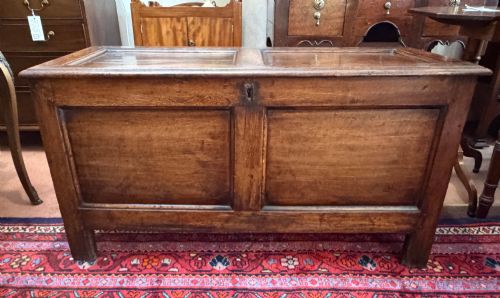
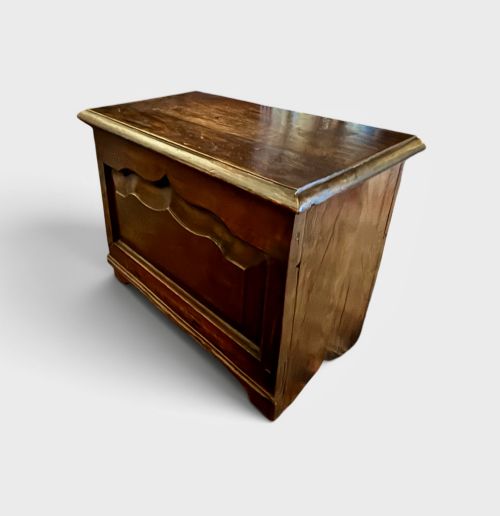
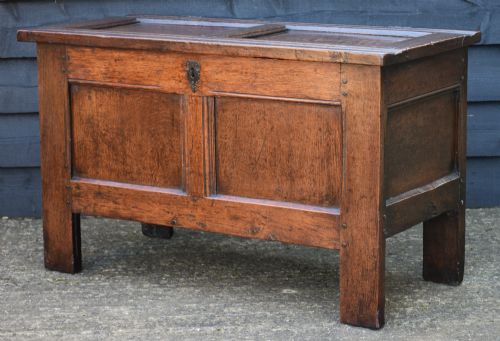
A rustic wooden panel brings tangible age and tactile grain into a room, most commonly seen in seventeenth and eighteenth century oak coffers and settles.
Rustic Wooden Panel
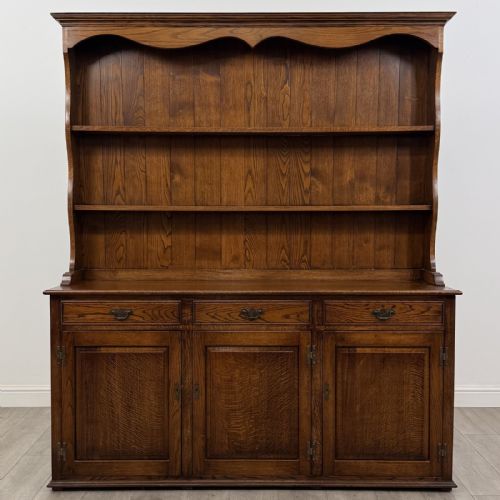
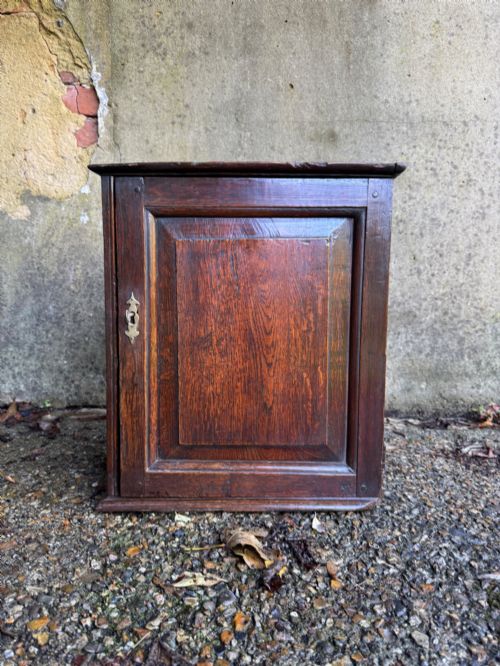
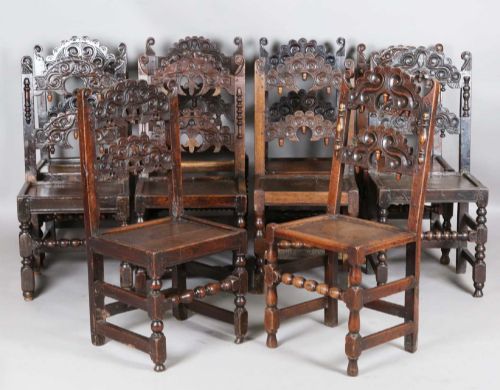
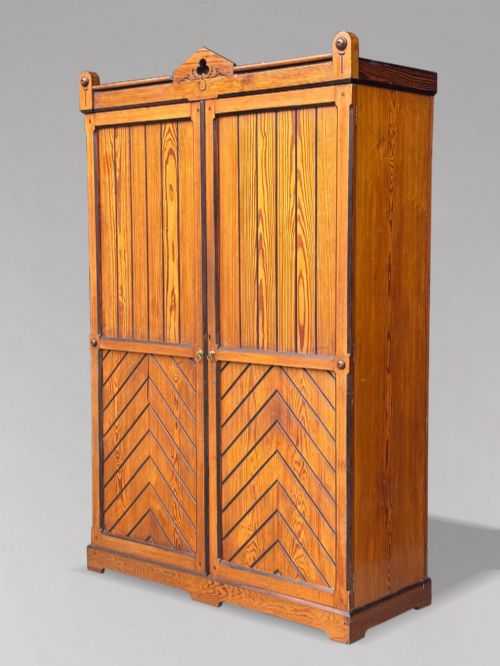
When searching for a rustic wooden panel, buyers encounter architectural elements integrated into larger country furniture like coffers, settles, and cupboards. These items derive primarily from the seventeenth, eighteenth, and nineteenth centuries, originating from English, Welsh, Scottish, and continental provincial workshops.
The most frequently met examples on this page are panelled oak coffers and storage chests, alongside high-backed settles and dresser bases. These forms utilise construction methods where flat timber panels sit within grooved framework to allow for seasonal wood movement.
Materials and construction
The primary material across these listings is solid oak, supplemented by pine, elm, and occasionally painted finishes. Timbers were locally sourced, split or sawn by hand, and seasoned before assembly.
Joinery relies on traditional frame-and-panel construction secured with wooden pegs. Surfaces display the tool marks of adzes, pit saws, and hand planes, which contribute to the distinct texture of each panel.
Listings feature items spanning from the seventeenth century through to the Victorian era, constructed in oak, pine, and elm.
Assessing quality
Quality rests upon the integrity of the original construction and the survival of untouched timber surfaces. Pieces retaining their primary patination, hinges, and original board seats command greater interest than those altered over generations.
The depth of carving, the crispness of the stile and rail joints, and the proportions of the panels dictate the standing of an item. Superior examples maintain structural honesty without extensive replacement of primary boards.
Rushworth's
The Rustic Wooden Panel Glossary
- Coffer
- A large wooden chest used for storage, typically constructed with a hinged lid and panelled sides.
- Settle
- A wooden bench with a high back, solid arms, and often a storage box beneath the seat.
- Stile
- The vertical upright member in a frame-and-panel assembly.
- Rail
- The horizontal framing member that connects to the stiles in panelled construction.
- Patina
- The surface sheen and colour developed on wood through age, handling, and waxing.
Rustic Wooden Panel: Frequently Asked Questions
What is a coffer?
A coffer is a heavy storage chest constructed with sturdy wooden panels and a hinged lid. They were historically used to store valuables, textiles, and household provisions.
Over centuries, these chests served multiple domestic purposes, occasionally doubling as seating or tables within modest rural homes.
How do I care for antique oak?
Maintain antique oak panels by applying a light coat of natural beeswax rather than modern liquid polishes. Keep the timber away from direct heat sources and sudden humidity shifts.
Consistent indoor environments prevent the wood from drying out and protect the historical surface finish.
How do I date a panelled chest?
Dating relies on examining the construction marks, joint types, and the method used to shape the boards. Hand-riven timber and pegged frame-and-panel joints typically point towards seventeenth or eighteenth-century origins.
Subtle changes in moulding profiles and hardware, such as iron butterfly hinges, also help pinpoint the period of manufacture.
Where were these pieces made?
These items originated in regional workshops across England, Wales, Scotland, and continental Europe. Local craftsmen utilised accessible regional timbers like oak, pine, and elm.
Rural cabinetmakers built these functional furnishings to withstand daily domestic life using traditional hand tools.