


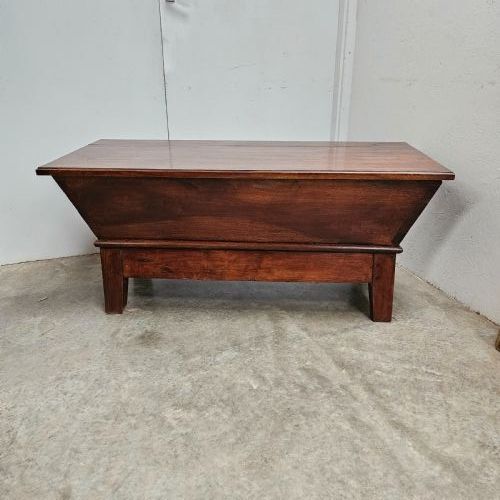


Rustic Wooden Dough Trough
These rustic wooden dough troughs are working household pieces designed for bread making, prized today for their honest grain and simple utility.
Rustic Wooden Dough Trough
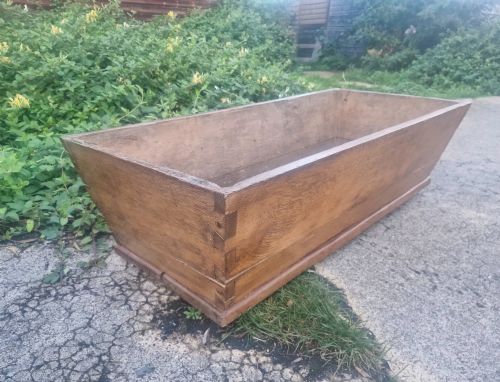
A rustic wooden dough trough is a practical utility item designed for preparing bread dough in domestic kitchens and farmhouses across Europe. When searching for a rustic wooden dough trough, buyers encounter substantial bins and deep bowls shaped from single logs or joined timber boards.
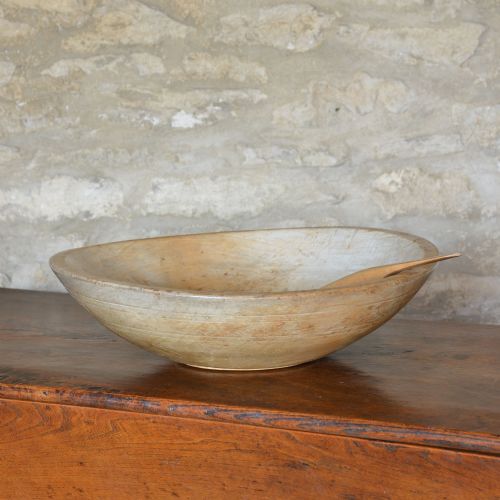
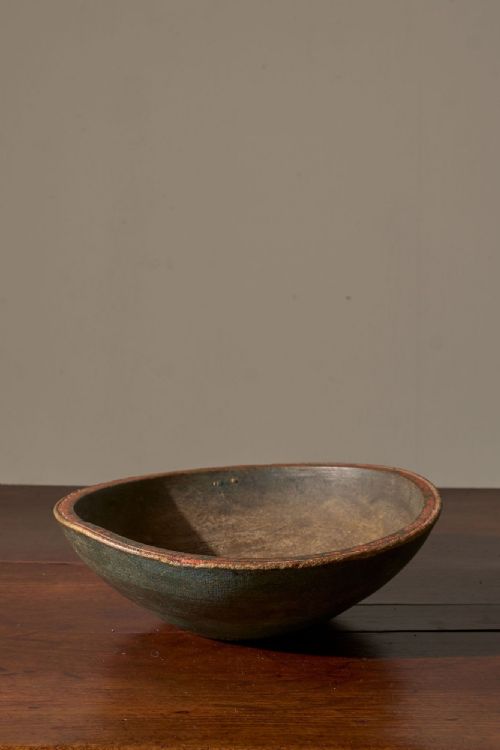
The pieces available on this page span the eighteenth, nineteenth, and early twentieth centuries, originating from regions including France and Sweden. Most examples take the form of heavy dough bins or large hand-carved dairy bowls intended for daily agricultural use.
Materials and construction
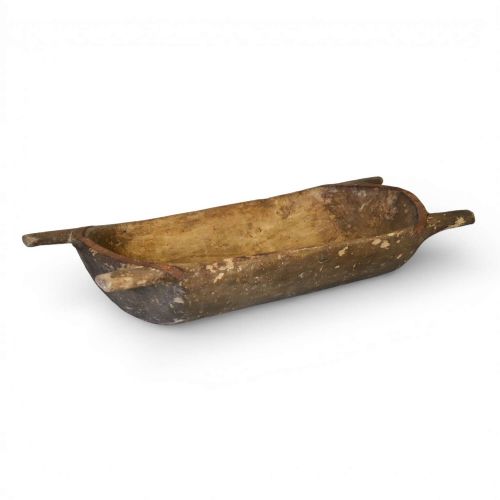
These troughs and bowls are formed from solid timbers such as pine, elm, walnut, sycamore wood, and general timber. Craftsmen carved large vessels directly from single logs or joined heavy boards together to create sturdy bins capable of withstanding the daily pressure of kneading.
Surfaces often show the tool marks of early hand carving and digging out techniques. Some pieces retain traces of historic paint, while others have been polished or left with a natural warm patina developed through generations of use.
Rustic Wooden Dough Trough Retail Price Guide 2026
Typical asking prices for rustic wooden dough trough among the pieces listed under this phrase on Sellingantiques today, from the lower quarter to the upper quarter. They describe what is for sale here now, not the wider market.
Listings feature solid wood items from the eighteenth, nineteenth, and early twentieth centuries, encompassing styles from French provincial to Swedish country.
Judging quality in rustic wooden dough troughs
Quality rests upon the integrity of the timber, the depth of the hand carving, and the character of the surface wear. Vessels that retain their original dug-out form and honest tool marks demonstrate superior craftsmanship compared to heavily restored examples.
The presence of a rich, warm patina indicates genuine age and careful handling over centuries of domestic life. Proportion and timber selection also separate standard utility items from more striking provincial pieces.
The Rustic Wooden Dough Trough Glossary
- Dough bin
- A deep wooden container with a lid or open top used historically for mixing and proving bread dough. These pieces often feature heavy plank construction.
- Patina
- The surface sheen and colour developed on wood over decades of use, cleaning, and exposure to light. A rich patina is prized by collectors.
- Dug out
- A method of hollowing a single solid log to create a bowl or trough without using joined boards. This technique produces durable, seamless vessels.
- Treen
- Small handmade wooden household utensils and domestic objects. The term encompasses bowls, troughs, and spoons from earlier centuries.
- Dairy bowl
- A wide wooden vessel used in traditional dairies for setting milk and skimming cream. These bowls share similar turning and carving methods with dough troughs.
Rustic Wooden Dough Trough: Frequently Asked Questions
What was a dough trough used for?
These troughs served as the primary vessel for mixing flour, water, and yeast to prepare bread dough in traditional households. The deep wooden sides kept the flour contained during vigorous kneading before the dough was left to prove.
Beyond bread making, many of these large wooden vessels doubled as general storage bins or utility containers for farm produce and household goods.
How do I date a wooden dough trough?
Dating relies on observing the tool marks left by the maker, the method of construction, and the type of timber used. Hand-carved dug-out vessels often display the irregular ridges of early adzes or gouges rather than uniform machine cuts.
Examining the wear patterns and the depth of the timber's patina also helps distinguish eighteenth-century and nineteenth-century examples from later twentieth-century pieces.
Are these dough troughs still functional?
While many buyers use them purely as decorative items or display pieces, solid wooden troughs remain robust enough for holding dry goods, blankets, or firewood. Their sturdy timber construction has survived centuries of active domestic service.
Care should be taken to keep them away from excessive heat sources and sudden humidity changes to prevent the timber from splitting.
How should I clean and maintain an antique wooden trough?
Maintenance requires only a soft, dry cloth to remove dust from the surface. Avoid using water, harsh detergents, or modern chemical polishes that can strip the historic finish and dry out the grain.
Applying a light coat of natural beeswax occasionally will help nourish the old timber and preserve the warm patina without altering its character.