

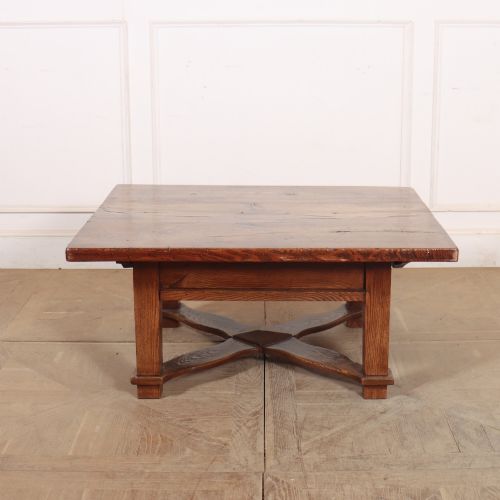

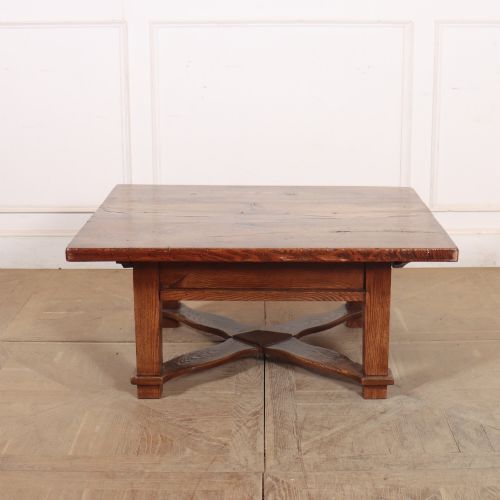


Rustic Wooden Cocktail Table
These rustic wooden cocktail tables bring tactile grain and heritage proportion to a room, offering a grounded surface for daily life.
Rustic Wooden Cocktail Table
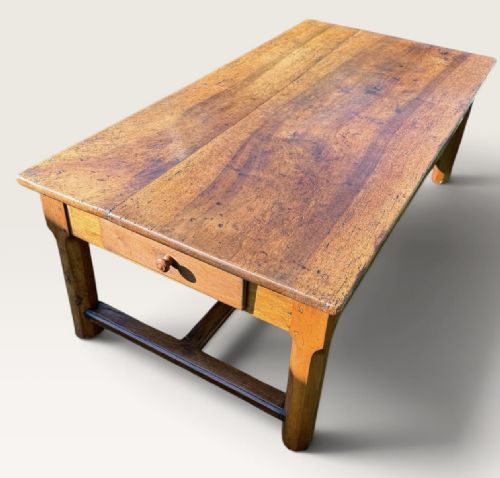
A rustic wooden cocktail table draws on centuries of domestic and provincial furniture traditions, spanning low tables, coffee tables, and occasional home bars from the eighteenth to the twentieth centuries. The selection encompasses English oak and pine alongside European elm, walnut, cherrywood, and painted surfaces.
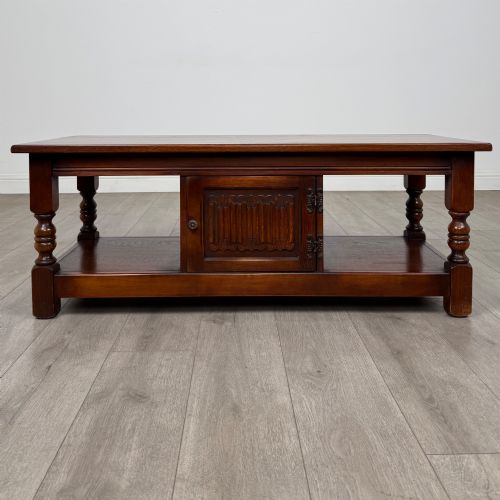
You will most frequently encounter nineteenth-century English oak and pine coffee tables, often featuring practical additions such as side drawers or turned legs. Continental examples lean towards Austrian elm and French cherrywood or painted finishes reflecting farmhouse and provincial aesthetics.
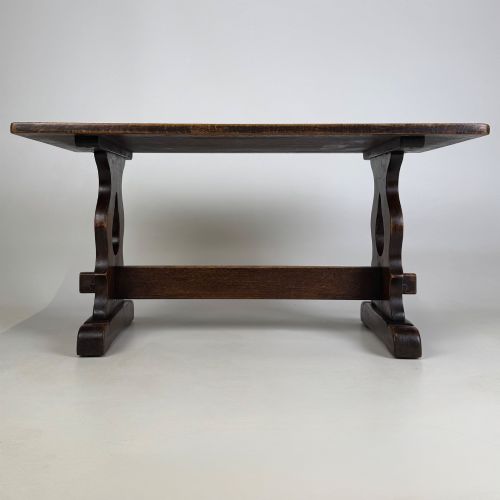
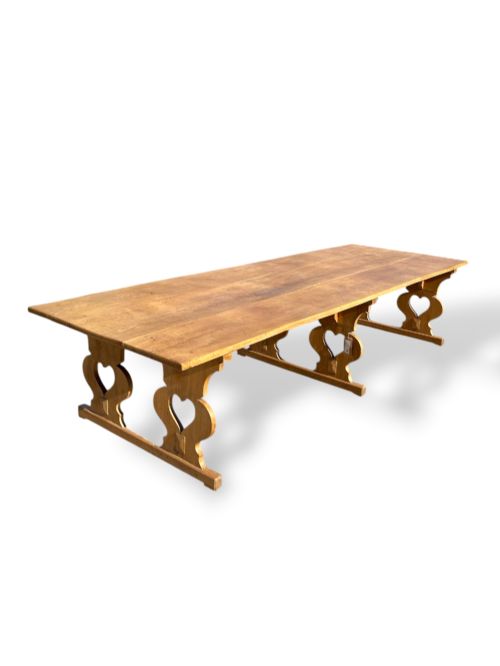
The form adapts historical work tables and low surfaces into domestic centrepieces, maintaining visible timber character and structural honesty. Styles range from French Provincial and Scandinavian Country to Arts and Crafts and Jacobean Revival.
Materials and construction
Carpenters relied on dense domestic hardwoods like oak, elm, walnut, and cherry, selected for durability and pronounced grain patterns. Pine served for simpler painted or scrubbed-top tables.
Joinery methods prioritized straightforward strength, utilising pegged mortise and tenon joints, hand-turned legs, and occasional dovetailed drawers. Surfaces were finished with wax, oil, or traditional paint layers that aged organically through use.
Some tables retain the ink stains and drawer crumbs of centuries spent holding letters, keys, and domestic clutter.
Assessing quality and character
Quality rests in the integrity of the timber selection and the restraint of historical alterations. Finer examples display richly figured grain, substantial board thickness, and uncompromised original framing.
Proportion and execution distinguish regional vernacular work, where hand-turned supports and integrated drawers demonstrate the joiner's skill. Surface patination achieved through decades of genuine use elevates the piece above standard utilitarian conversion.
The Rustic Wooden Cocktail Table Glossary
- Patina
- The surface sheen and softening of edges developed through age, light, and handling. It serves as a primary indicator of historical authenticity.
- Vernacular furniture
- Pieces made by local craftsmen for regional domestic use rather than following metropolitan high-style designs. These objects prioritize function and available local timbers.
- Mortise and tenon
- A traditional joint where a projecting tongue fits snugly into a corresponding cavity, securing wooden frames together without modern hardware.
- Turned legs
- Supports shaped on a lathe, creating cylindrical, spool, or baluster profiles. They add decorative detail to otherwise utilitarian tables.
Rustic Wooden Cocktail Table: Frequently Asked Questions
What is a rustic wooden cocktail table?
It is a low surface adapted from historical tables, benches, and work surfaces, constructed from solid timbers like oak, elm, or pine.
These pieces bring historical character and tactile grain into modern interiors, functioning as central gathering points in living spaces.
How do I date an old wooden table?
Dating relies on examining tool marks, timber species, joinery methods, and the natural wear accumulated across the surfaces.
Hardware types and construction techniques provide further clues to whether a piece originates from the eighteenth, nineteenth, or early twentieth century.
Are painted finishes original on these tables?
Many regional tables feature painted surfaces applied during their working lives, ranging from Scandinavian country styles to French provincial schemes.
Evaluating the layers and wear patterns helps determine if the paint finish is period-authentic or a later addition.
How do I care for antique wood furniture?
Maintain the timber by avoiding direct heat sources and excessive sunlight that can dry out and split historical boards.
Regular application of natural beeswax nourishes the grain and preserves the accumulated surface character without creating artificial shine.