


Rustic Wood Trunk
A rustic wood trunk brings honest storage and utility into a room, shaped from sturdy timber and forged metal.
Rustic Wood Trunk
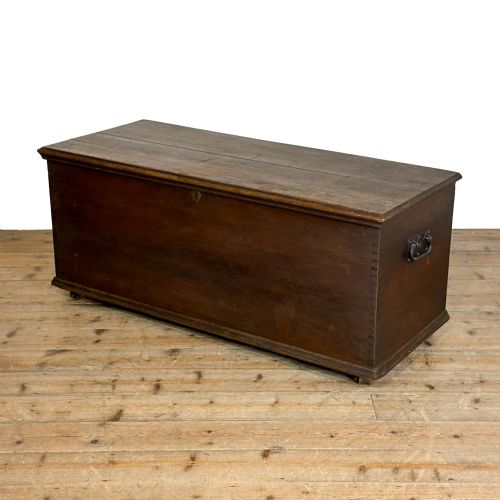
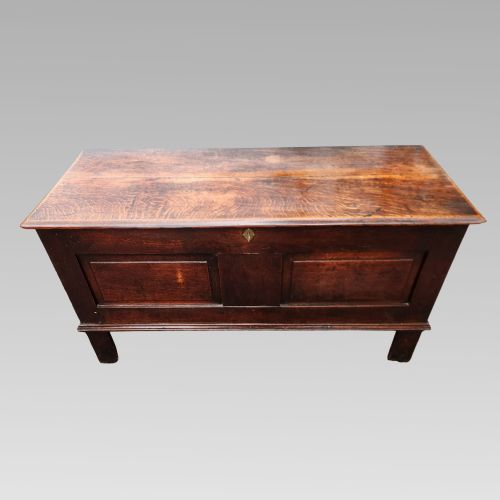
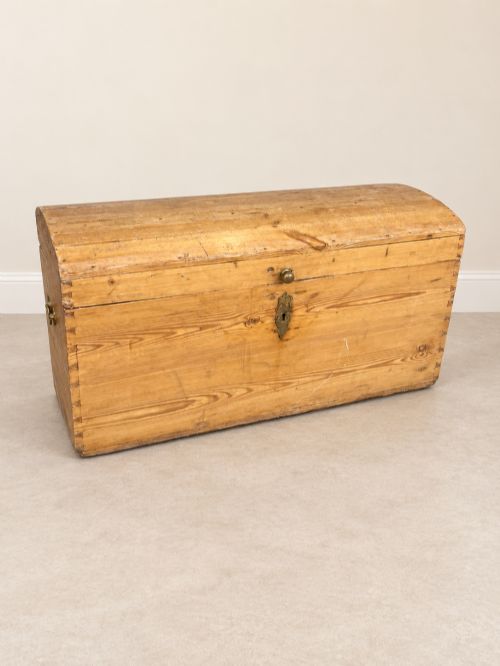
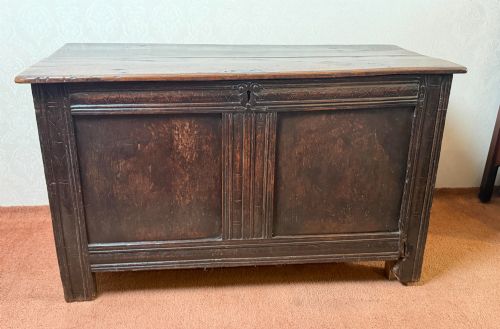
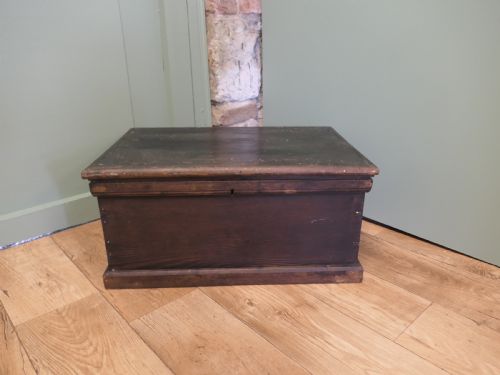
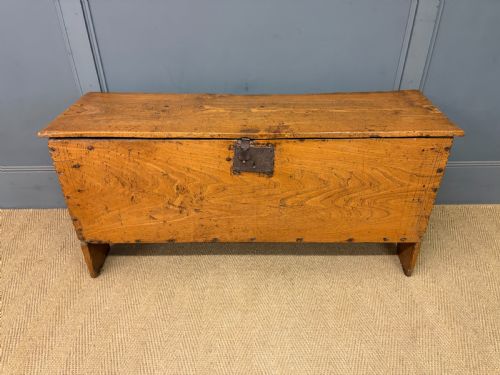
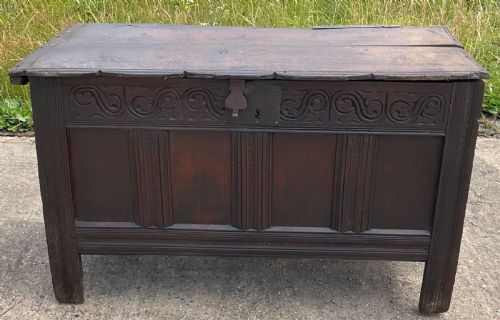
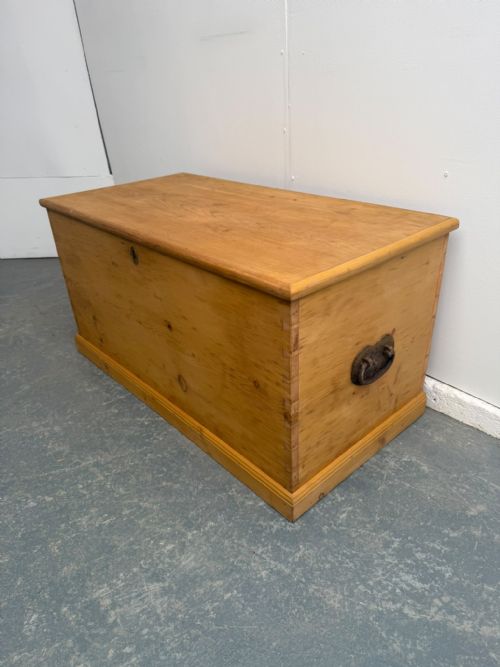
A rustic wood trunk serves as a practical storage chest or blanket box, originating from periods like the 18th century, the 19th century, and the Victorian era. These pieces include coffers, mule chests, and strong boxes designed for daily domestic or agrarian use.
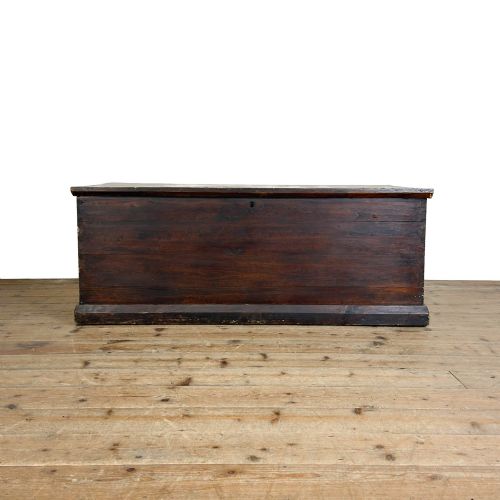
The most common examples encountered here are constructed from pine, oak, and elm, often reflecting regional styles such as Georgian, Scandinavian country, and French provincial. Simple six-plank construction and plain box forms dominate the selection.
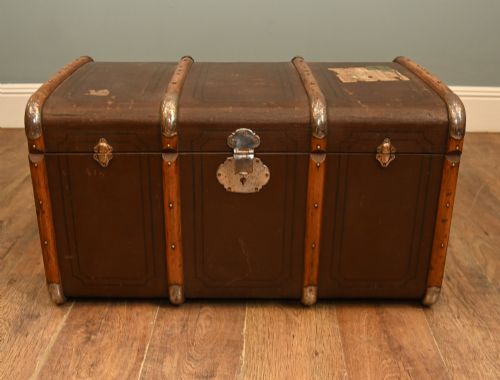
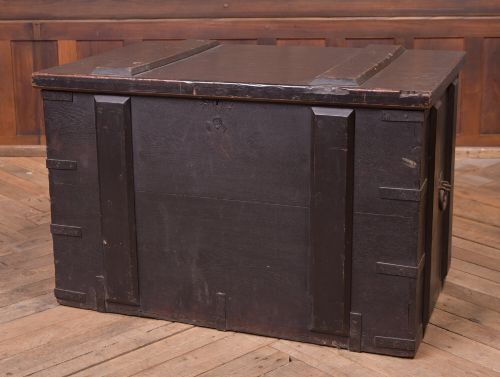
Many items show their utilitarian roots through original paint, iron banding, or brass fittings. They function today as living room storage or coffee tables while retaining their original utilitarian character.
How they were made
Makers utilised solid timbers including oak, elm, pine, walnut, and cherry, depending on regional availability and the intended strength of the box. Planks were joined using basic carpentry methods such as dovetails, pegged mortise and tenon joints, or simple board joints secured with hand-forged iron.
Metal reinforcement played a key role in durability, with wrought iron straps, hinges, corner brackets, and brass key escuturons added to withstand heavy transit or secure valuables. Surfaces were frequently left untreated, waxed, or finished with simple paint layers that have since weathered.
Rustic Wood Trunk Retail Price Guide 2026
Typical asking prices for rustic wood trunk among the pieces listed under this phrase on Sellingantiques today, from the lower quarter to the upper quarter. They describe what is for sale here now, not the wider market.
Listings feature woods such as oak, pine, elm, walnut, and cherry across 18th-century, 19th-century, and Victorian periods.
What varies in quality
The integrity of the original construction separates a fine survivor from a heavily altered utility box. Superior examples retain their original hinges, locks, floor boards, and structural joints without excessive timber replacement.
Surface patination and finish define the visual appeal, where untouched waxed surfaces or honest original paint finishes hold greater integrity than overly stripped or modernly varnished boards.
The Rustic Wood Trunk Glossary
- Coffer
- A heavy wooden chest traditionally used for storing valuables or documents. These storage boxes often feature hinged lids and sturdy plank construction.
- Mule chest
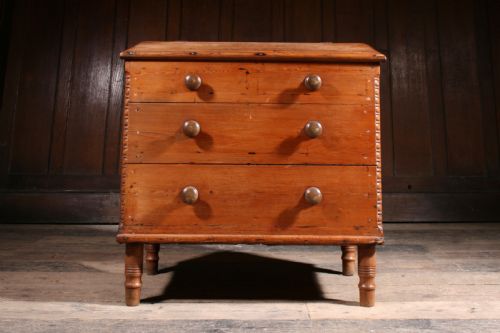
- A storage chest characterised by one or more drawers built into the base beneath the main compartment. They bridge the design gap between a simple blanket box and a chest of drawers.
- Six plank coffer
- An early form of chest constructed from a single board for each of the four sides, the bottom, and the lid. These boxes rely on simple edge joints and end pieces.
- Treen
- Small handmade wooden domestic objects produced prior to the mass production era. Items in this category include bowls, spoons, and small turned vessels.
- Escutcheon
- A flat plate of brass or iron surrounding a keyhole. This hardware protects the surrounding wood from wear caused by the key.
Rustic Wood Trunk: Frequently Asked Questions
What is a rustic wood trunk used for today?
These boxes provide practical storage for blankets, pillows, and household items while serving as functional furniture pieces in living spaces.
Their flat tops also allow them to function effectively as coffee tables or window seats in traditional and contemporary interiors.
How do I identify an 18th-century oak coffer?
Eighteenth-century coffers typically display pegged frame-and-panel construction using heavy native oak boards that exhibit deep patination and hand-planed surfaces.
Hardware on these pieces usually consists of hand-wrought iron strap hinges and simple till boxes fitted inside the main compartment.
What is the difference between a pine box and a mule chest?
A pine box is a simple single-compartment storage chest made from softwood boards, whereas a mule chest includes integrated drawer space beneath the primary lifting lid.
Mule chests offer partitioned storage that evolved during the Georgian period to allow easier access to clothing without opening the top lid entirely.
How should I care for an antique painted pine chest?
Painted pine surfaces require gentle dusting with a dry cloth and protection from direct sunlight to prevent the historic paint layer from fading or flaking.
Avoid using modern chemical polishes, as these can soften or strip original regional paint finishes and historical patination.