


Rustic Wood Coffer
A rustic wood coffer provides heavy, enduring storage with roots running deep into seventeenth- and eighteenth-century domestic life.
Rustic Wood Coffer
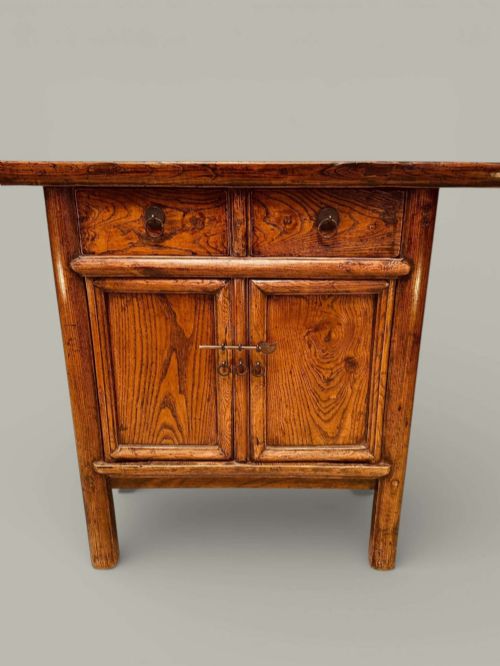
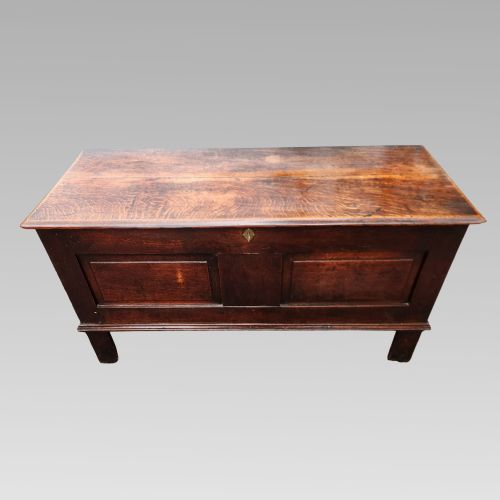
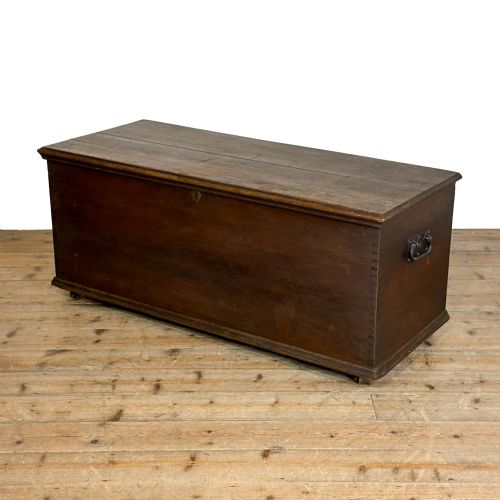
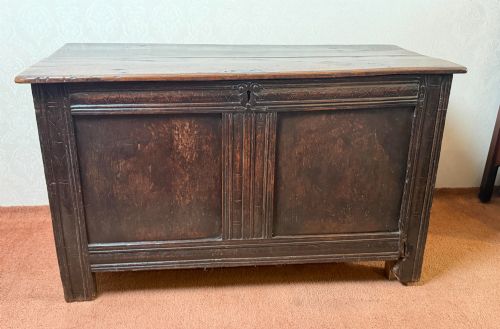
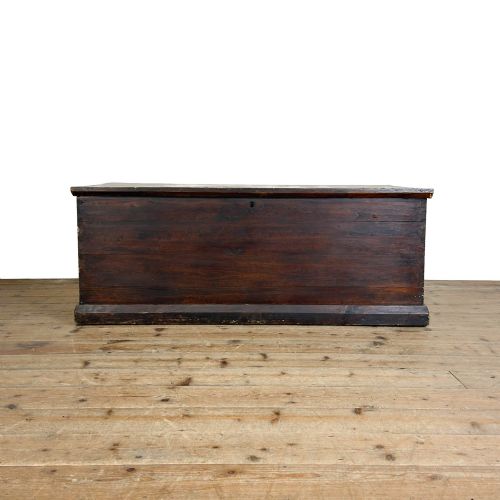
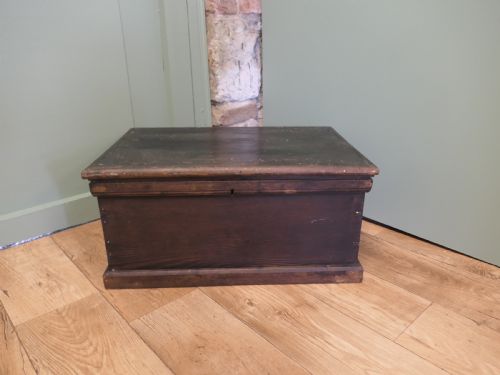
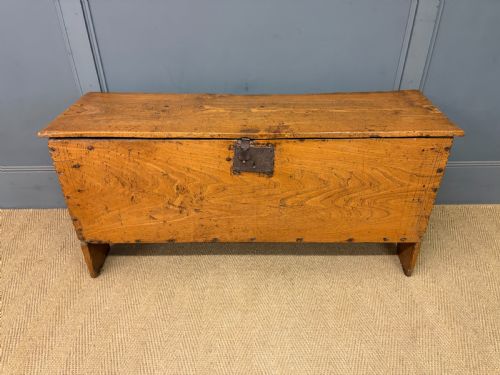
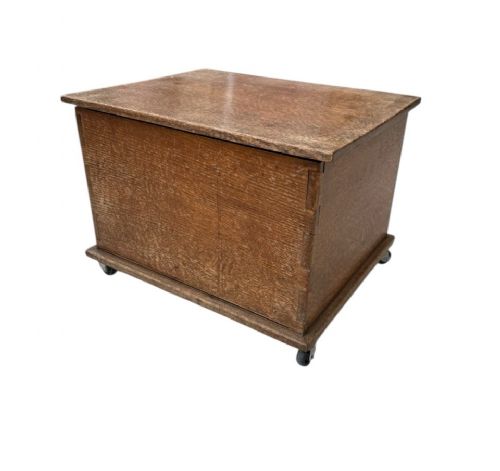
A rustic wood coffer is a robust storage piece designed to hold household goods, blankets, and dry provisions across centuries of domestic use. When searching for a rustic wood coffer, buyers encounter heavy timber boxes shaped by utilitarian needs rather than courtly fashion. These pieces function as steadfast furniture that doubles as seating or a table surface in modest homes.
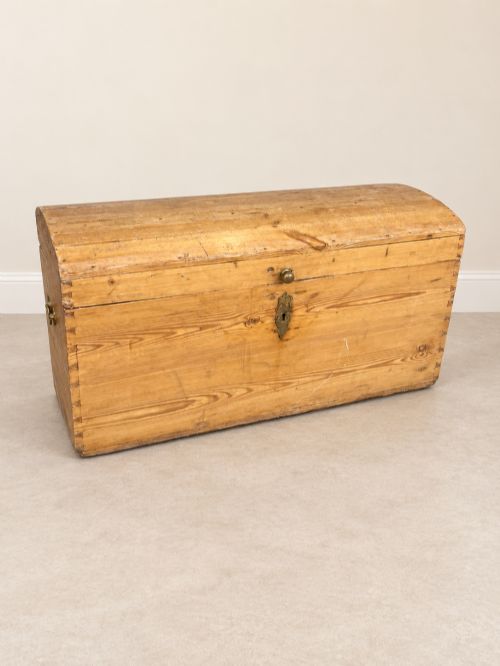
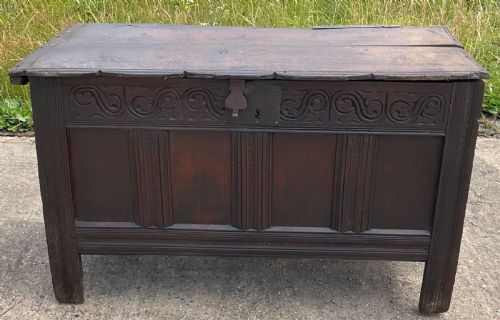
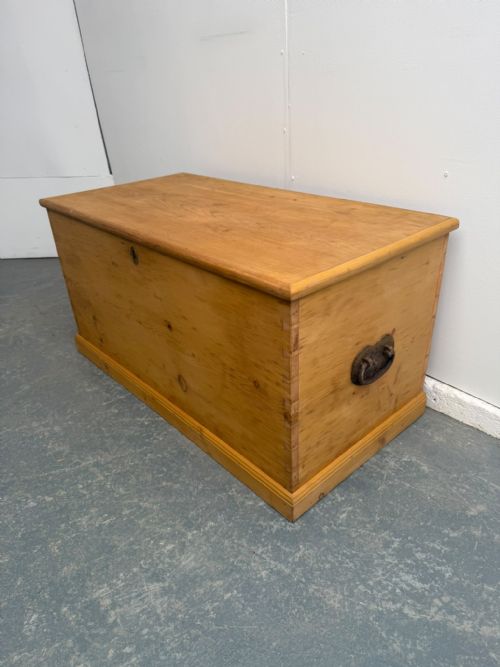
The most common versions met on this page span the seventeenth, eighteenth, and nineteenth centuries, originating from English, French, Spanish, and Scandinavian country workshops. Oak, elm, and pine dominate the forms, appearing as six-plank constructions or panelled chests built to withstand generations of rough service. Their straightforward geometry reflects the honest carpentry of rural makers.
Materials and construction
Makers built these pieces primarily from native hardwoods and softwoods such as oak, elm, and pine, selecting timber based on local availability and structural demand. Thick planks were joined using pegged mortise and tenon joints, dovetails, or simple edge-to-edge fastening in six-plank formats. Wrought iron and brass hardware, including strap hinges and robust locks, reinforced the corners and lids against heavy daily wear.
Surfaces often show the tool marks of adzes, hand planes, and drawknives, leaving a tangible record of early woodworking techniques. Finish treatments range from plain waxed timber and carved relief panels to hand-applied paint on Scandinavian strong boxes and regional pine chests. This direct approach to construction prioritised utility and strength above all decorative embellishment.
Rustic Wood Coffer Retail Price Guide 2026
Typical asking prices for rustic wood coffer among the pieces listed under this phrase on Sellingantiques today, from the lower quarter to the upper quarter. They describe what is for sale here now, not the wider market.
What separates the best examples
Quality in these pieces rests upon the integrity of the timber selection and the preservation of original structural elements. Examples fashioned from dense, mature oak or figured elm with intact baseboards and tight joints stand apart from heavily altered boxes. The balance between utilitarian strength and thoughtful proportion dictates the distinction between standard storage and finer regional craftsmanship.
The survival of original surface treatments, whether deeply oxidised beeswax patination or authentic regional paint, defines the upper tier of the range. Pieces retaining their original wrought iron hinges, till boxes inside, and working locks carry greater historical coherence. Alterations to lids, replaced feet, or stripped surfaces introduce a different character that reflects centuries of functional adaptation.
The Rustic Wood Coffer Glossary
- Six-plank
- A simple construction method utilising six individual boards joined at the edges to form a rectangular box. This technique represents an early and direct form of chest-making.
- Mule chest
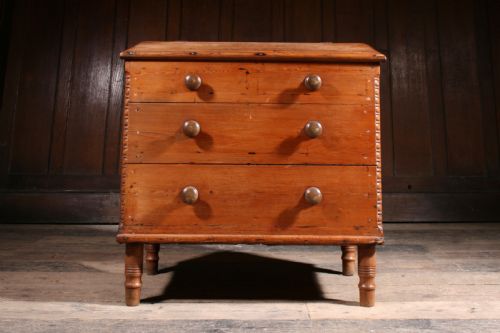
- A storage chest featuring one or more drawers beneath the main compartment. This form bridges the gap between the traditional coffer and the modern chest of drawers.
- Till box
- A small internal compartment built into the upper corner of a chest for holding coins, keys, or small personal items. It lifts out or sits quietly within the main well.
- Strong box
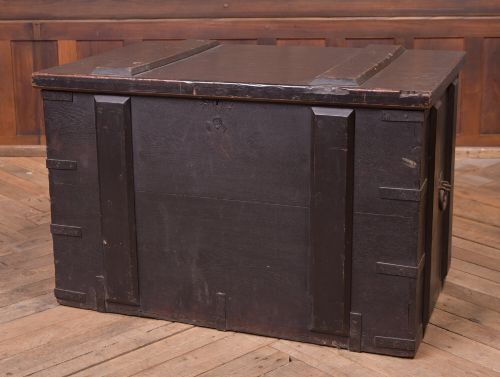
- A heavily reinforced chest, often banded with iron and fitted with complex locks, designed to protect valuable goods. They frequently appear in painted Scandinavian or continental forms.
Rustic Wood Coffer: Frequently Asked Questions
What is a rustic wood coffer used for?
These pieces served historically to store blankets, clothing, valuables, and dry foodstuffs in domestic settings. Today, they function well as living room coffee tables, hallway storage benches, or bedroom blanket boxes.
Their generous internal capacity swallows clutter while adding solid historical presence to contemporary interiors. Placing one at the foot of a bed or beneath a window puts their original purpose to work in a modern home.
How do I date an antique wooden chest?
Dating relies on observing construction methods, tool marks, timber species, and hardware styles. Hand-sawn boards, pegged joints, and forged iron hinges generally point to seventeenth- or eighteenth-century origins.
Later nineteenth-century examples often display machine-sawn timber uniformity and lighter internal fittings. Comparing the patination of the wood around the handles and feet provides further clues to its age.
Are these chests heavy to move?
Solid hardwood construction in dense oak or elm makes historical chests remarkably heavy. They were built to stay put in one room rather than travel frequently.
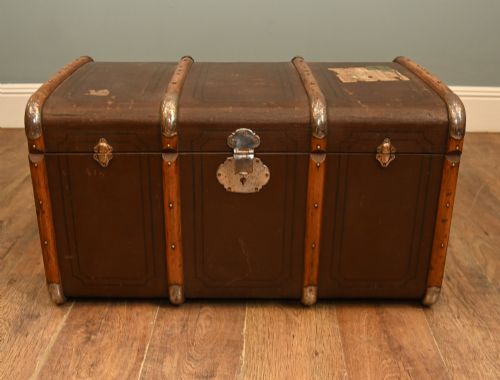
Lifting one requires two people and proper care to protect both the antique timber and modern flooring. Iron carrying handles found on certain campaign or military trunks exist precisely because moving them was a major undertaking.
How should I care for old pine and oak?
Maintenance requires keeping the timber away from direct heat sources and dramatic humidity fluctuations that cause wood to split. Regular applications of traditional beeswax nourish the dry grain and preserve the surface patination.
Avoid modern silicone polishes that build up sticky residues over the historical finish. A soft, dry cloth is sufficient for routine dusting of carved panels and lid surfaces.