

Rustic Wine Table
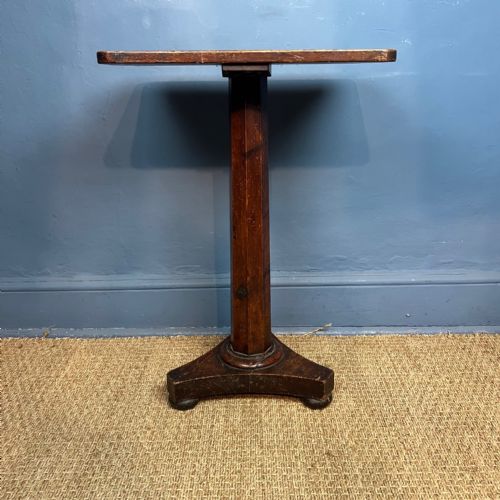
A rustic wine table brings practical surface space and centuries of vernacular character into a room, serving drinks or supporting a lamp with ease.
Rustic Wine Table
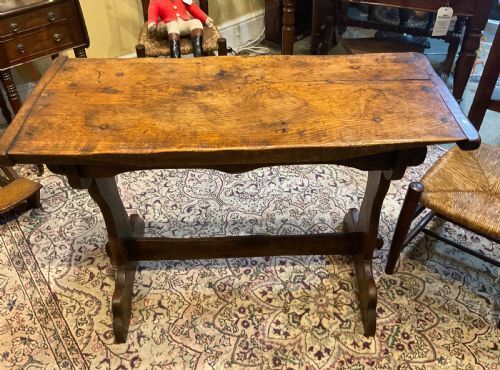
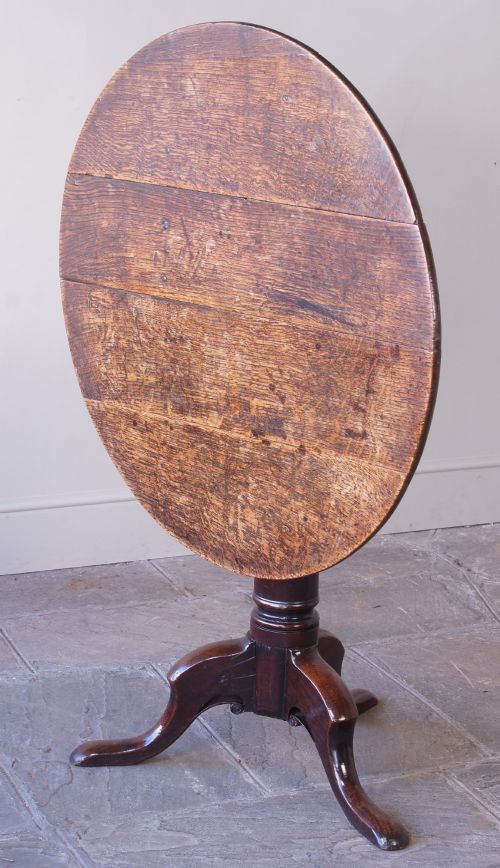
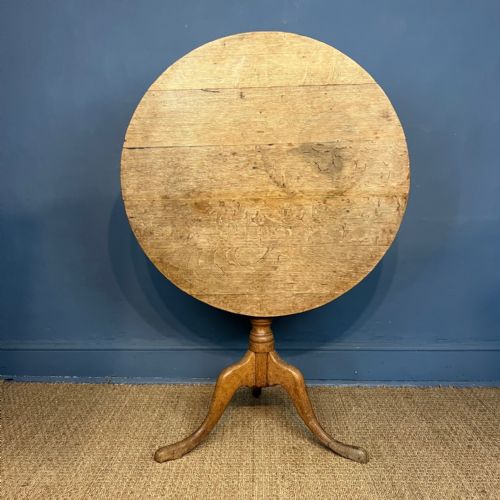
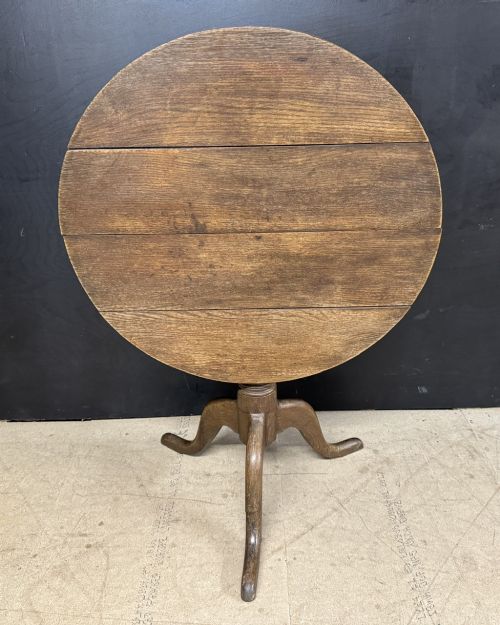
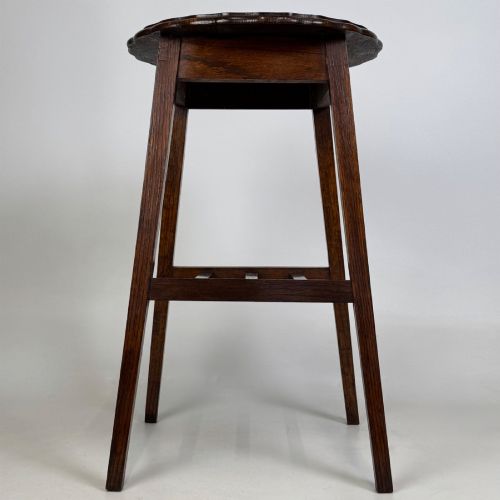
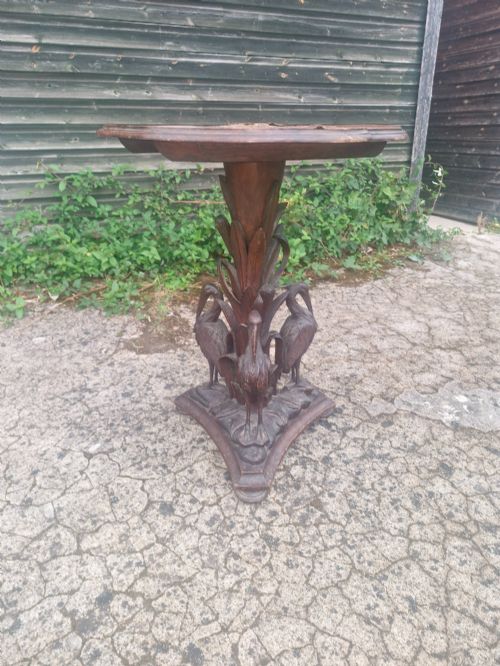
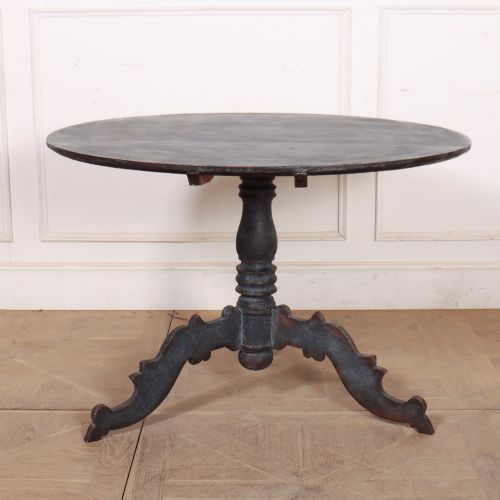
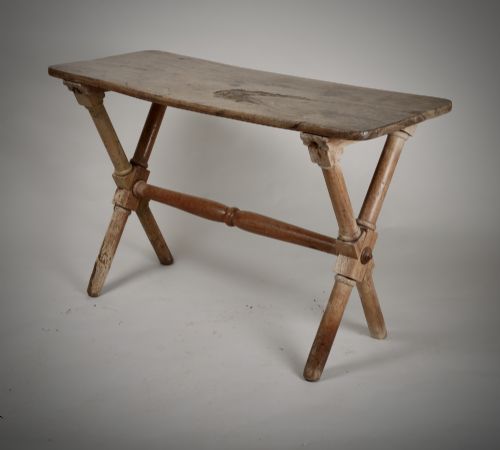
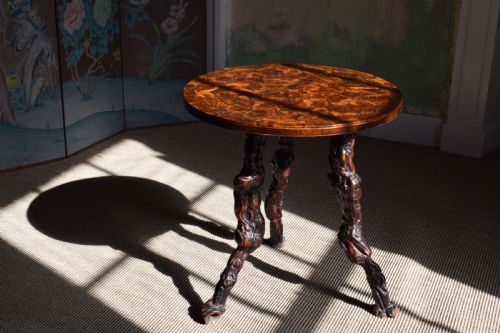
A rustic wine table encompasses sturdy timber pieces designed for social dining, wine tasting, and everyday convenience across English, French, and Welsh farmhouses. When searching for a rustic wine table, buyers encounter tripod designs, folding vineyard variants, and low occasional stands shaped by local makers during the eighteenth and nineteenth centuries.
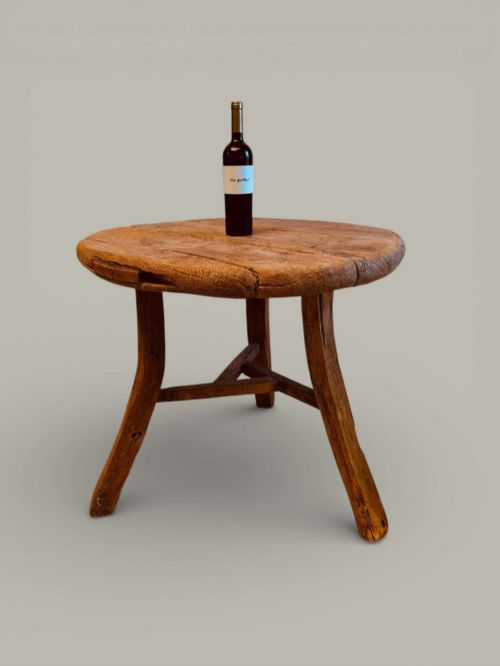
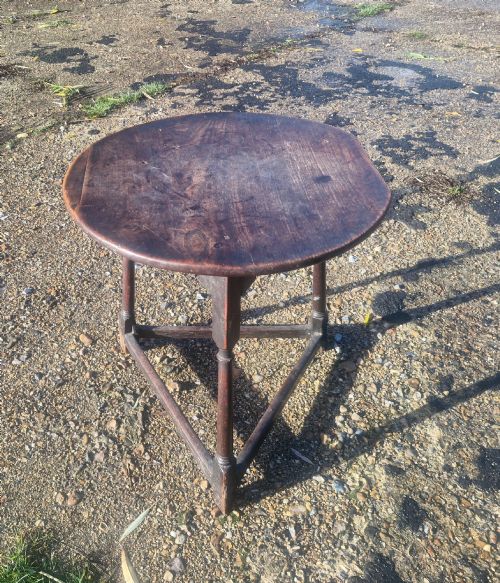
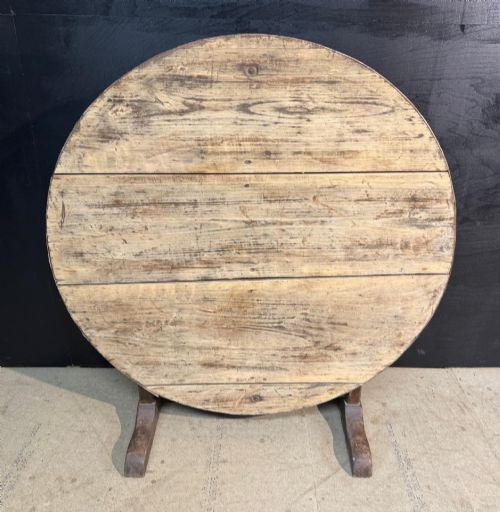
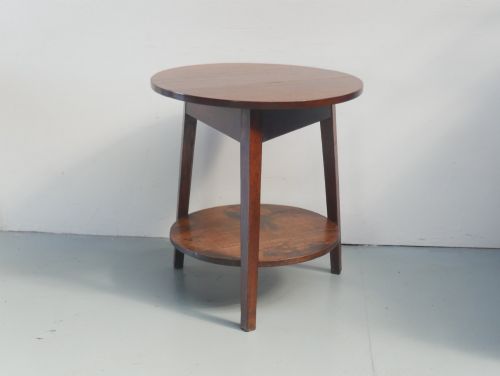
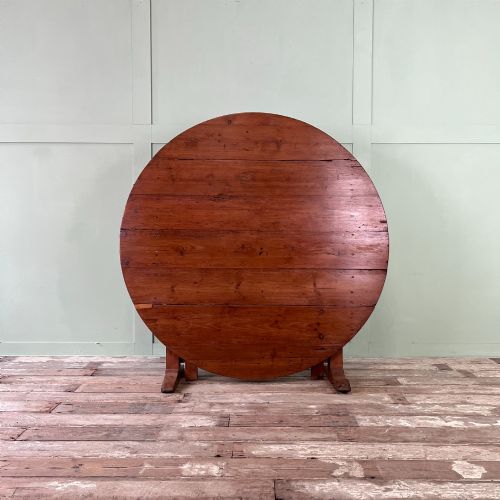
The versions most common on this page are eighteenth and nineteenth century oak cricket tables and French vendange or vigneron tables. These pieces combine compact circular or shaped tops with three or four legs, reflecting utilitarian rural origins rather than formal urban cabinetmaking.
How they were made
Joiners and country carpenters relied heavily on native hardwoods such as oak, ash, elm, and fruitwood, selecting timber for its strength and grain rather than decorative veneer. Tops were frequently planked, pegged, or tilt-action, supported by turned or shaped legs secured directly into the underside.
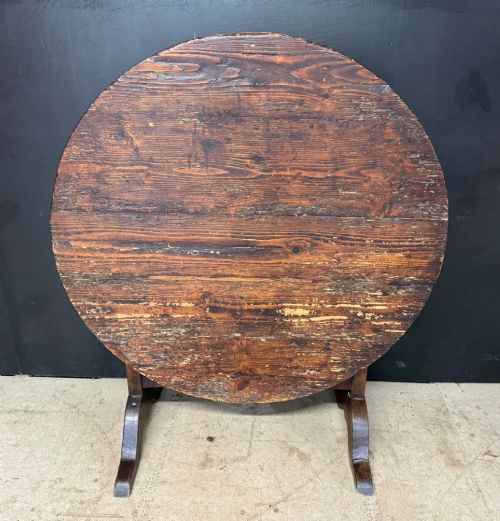
Many French folding vineyard and vendange tables incorporated clever pivoting or hinged iron mechanisms to allow rapid storage after the grape harvest. Surface finishes remained simple, often showing decades of scrubbed bare wood, traditional paint, or plain wax polish applied over generations of domestic use.
Rustic Wine Table Retail Price Guide 2026
Typical asking prices for rustic wine table among the pieces listed under this phrase on Sellingantiques today, from the lower quarter to the upper quarter. They describe what is for sale here now, not the wider market.
Many French vendange tables carry faint ring stains from spilled wine, proving they witnessed actual grape harvests before retiring to the drawing room.
What varies in quality
Quality rests upon structural integrity and the honesty of the timber, where original pegging, undisturbed patination, and unaltered table tops command greater respect. Examples that retain their authentic height, balanced tripod stance, and original operational mechanisms demonstrate superior survival through centuries of demanding rural service.
Lesser pieces often suffer from unsympathetic board replacements, heavily altered bases, or excessive sanding that strips away the historic surface texture. The finest survivals maintain their original tool marks, rich colour variation in the grain, and tight joints that require no modern intervention.
The Rustic Wine Table Glossary
- Cricket table
- A small three-legged round table originating in English vernacular traditions, typically constructed with deep aprons and peg-joined legs to maintain stability on uneven flagstone floors.
- Vendange table
- A French wine-tasting or harvest table, often featuring a folding or tilting top designed for easy transport and storage during vineyard operations.
- Tilt top
- A tabletop mechanism fitted with a catch and pivot block, allowing the surface to fold vertically against the pedestal when not in use.
- Vernacular
- An architectural and furniture-making style produced by local craftspeople using regional materials, prioritizing practical function over prevailing metropolitan fashions.
- Tripod
- A three-legged furniture base that guarantees firm contact on irregular floors without rocking, commonly found on small occasional and wine tables.
Rustic Wine Table: Frequently Asked Questions
What is a rustic wine table used for?
These tables served practical daily functions in rural homes and vineyards, from holding glasses during wine tasting to supporting lamps and supper bowls.
Today, buyers place them beside armchairs as occasional surfaces or position them in living spaces to display small decorative objects.
How do I identify an 18th-century table?
Eighteenth-century examples display hand-cut joinery, pegged timber construction, and significant surface patination accumulated through centuries of household use.
Examination of the underside often reveals pit-sawn board marks and traditional blacksmith-made iron fixings rather than modern machine-cut screws.
Are folding vineyard tables stable?
French folding vineyard tables utilise sturdy wooden frames and pivoting iron hinges designed for heavy agricultural work during grape harvests.
While the folding mechanism permits easy storage, well-maintained examples lock securely into position for daily use as dining or display surfaces.
What woods were used for country tables?
Country makers utilised whatever native timber grew locally, resulting in tables fashioned predominantly from solid oak, ash, elm, fruitwood, and pine.
Regional preferences dictated the choice of material, with oak prized for structural durability and softer woods selected for painted surfaces.