


Rustic Tripod Plant Stand
A rustic tripod plant stand offers a grounded surface for greenery, shaped from natural timber, elm, oak, and iron across the nineteenth and early twentieth centuries.
Rustic Tripod Plant Stand
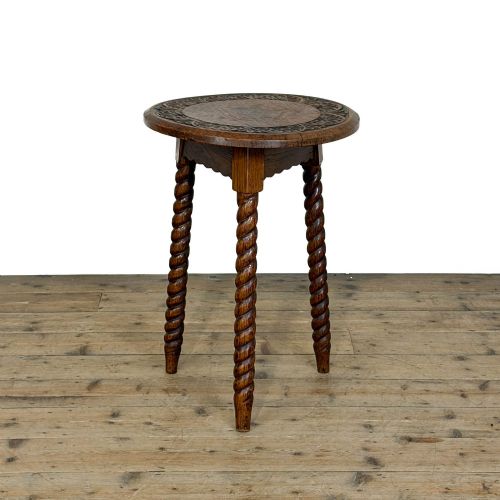
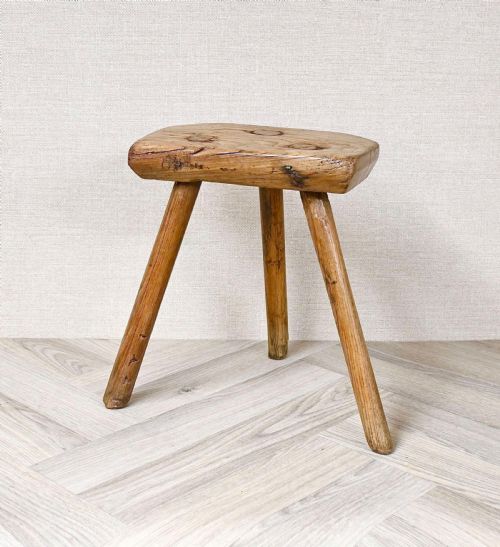
A rustic tripod plant stand encompasses low stools, tall pedestals, and small occasional tables adapted from utilitarian forms like milking stools, butcher blocks, and cricket tables. These sturdy supports draw on vernacular country, rustic country, and industrial traditions, utilising three legs for stability on uneven floors.
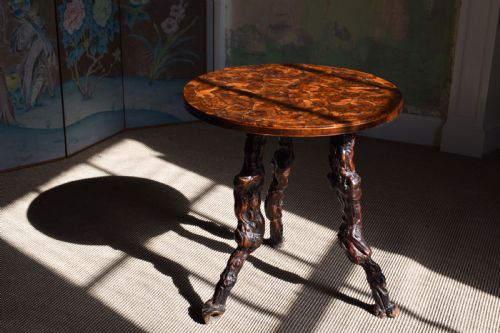
Most examples originate from the nineteenth and early twentieth centuries, spanning the Victorian and Edwardian eras alongside pieces from the 1920s and 1930s. Makers fashioned them from native woods such as oak, elm, pine, and hardwood, frequently retaining natural burls, live edges, and tree trunk sections.
Beyond domestic plant display, many items began life as functional workshop pieces, including sculptors' stands, game blocks, and cutler's stools. Their honest construction and weathered patination make them versatile surfaces for botanical arrangements within traditional and contemporary interiors.
How they were made
Makers constructed these supports using solid native timbers like oak, elm, and pine, frequently selecting sections with live edges, natural burls, or dense tree trunks. Joinery relies on traditional methods such as pegged mortise and tenon joints or simple legs wedged directly into thick slab tops.
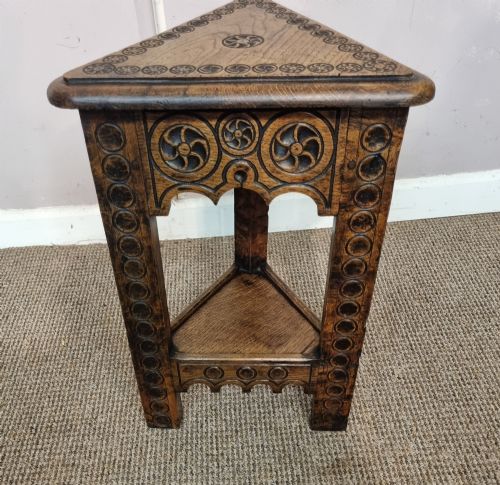
Selected examples incorporate cast iron elements alongside natural timber, pairing heavy metal bases or brackets with wooden surfaces to increase durability. Surface treatments range from unadorned oiled wood and pokerwork ornamentation to original painted finishes and carved detailing.
What varies in quality
Quality rests in the integrity of the timber selection and the honesty of the construction, where substantial sections of elm or oak outlast thinner substitute woods. Untouched patination and surface wear acquired through decades of practical use command greater interest than heavily restored or sanded surfaces.
The harmony of proportion between the tripod base and the upper surface dictates the visual balance of each piece. Strong joinery that securely anchors the three legs into the top ensures stability without relying on modern metal reinforcement.
The Rustic Tripod Plant Stand Glossary
- Tripod
- A three-legged support structure that remains stable on uneven ground. This formation is common to milking stools, small tables, and plant pedestals.
- Live Edge
- A furniture style that incorporates the natural outer edge of the tree into the design of the board. This technique highlights the organic contours of the timber.
- Cricket Table
- A small, lightweight three-legged table with a round top, traditionally used beside a hearth. The three-legged design prevents rocking on flagstone floors.
- Pokerwork
- The art of decorating wood by burning designs with a heated metal point. This technique appears on specific nineteenth-century Scottish stools.
- Vernacular Country
- Objects built by local craftspeople using regional materials to serve a specific daily purpose. These items prioritise utility over academic stylistic conventions.
Rustic Tripod Plant Stand: Frequently Asked Questions
How do I style a rustic plant stand?
Place a single trailing plant on top to contrast the organic grain and weathered patination of the timber. Their compact tripod footprint allows them to fit neatly into neglected corners or beside seating.
Mix heights by pairing a taller sculptor's stand with a low milking stool to create visual depth in a botanical display. Ensure the weight of the pot matches the load-bearing capacity of the individual piece.
Were these stands originally made for plants?
Most of these objects served entirely different domestic or industrial purposes before finding new roles as plant supports. Items like game blocks, milking stools, and sculptors' stands were built for heavy daily labour.
Their sturdy three-legged construction and solid timber tops naturally lend themselves to holding potted greenery and heavy ceramic vessels. This adaptive reuse preserves practical utilitarian objects within modern homes.
How do I care for antique timber plant stands?
Protect the dry wood surfaces from standing water by placing saucer liners underneath all potted plants. Moisture can permanently stain or lift historic finishes and unsealed grain.
Feed the timber periodically with a neutral wax to maintain the natural patination without creating an artificial gloss. Keep them away from direct heat sources to prevent the historic wood from splitting.
How can I tell the age of these pieces?
Examine the tool marks, joinery methods, and the natural wear patterns accumulated across the wood and iron components. Hand-adzed surfaces and pegged joints typically indicate nineteenth-century or earlier craftsmanship.
Compare the timber species and stylistic traits, such as bobbin turning or vernacular country shaping, against documented periods like the Edwardian era or the 1930s. Consistency in the ageing of the material helps confirm authenticity.