



Rustic Treen Bowl
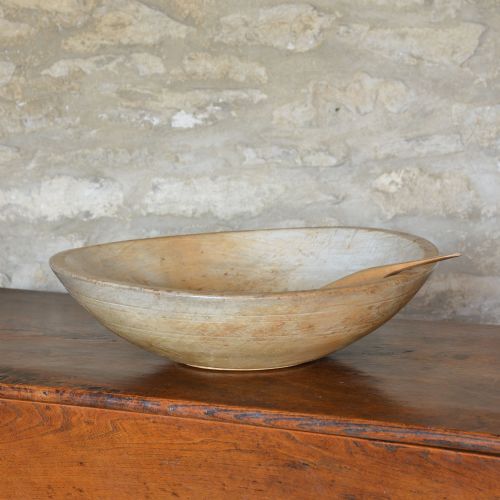
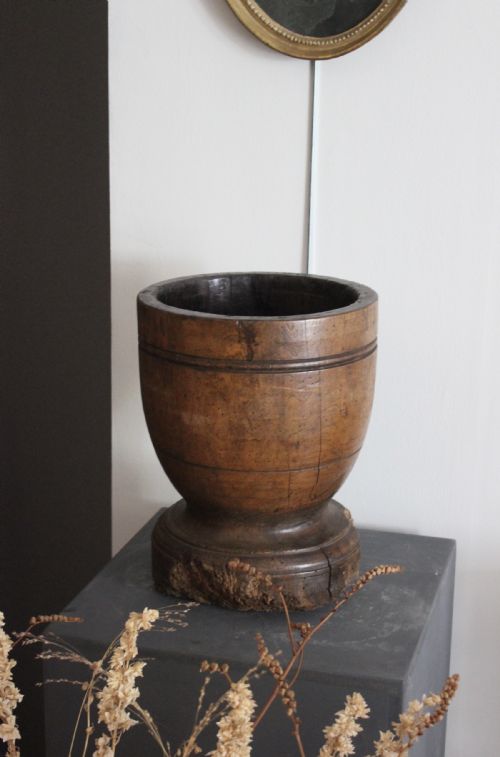
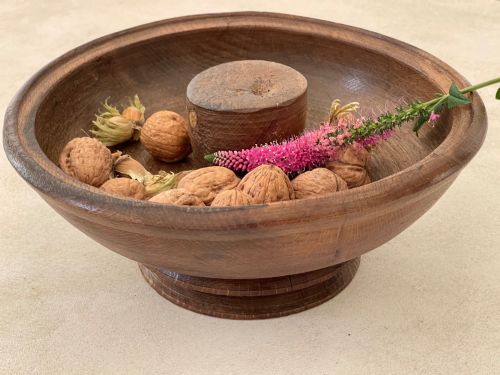
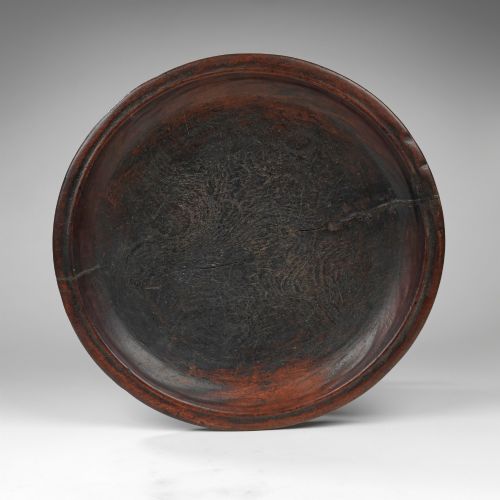
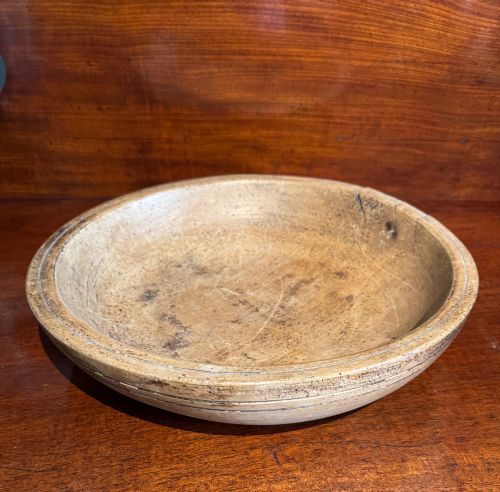
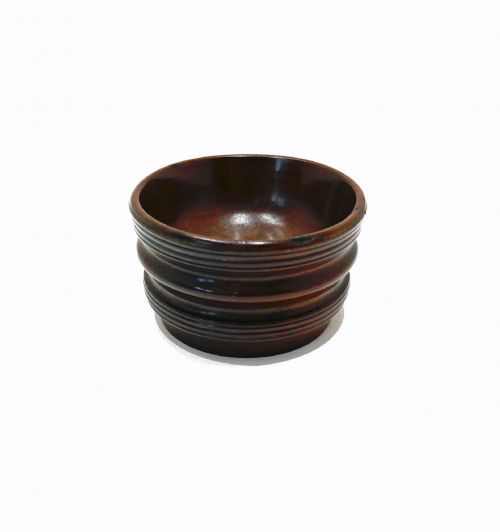
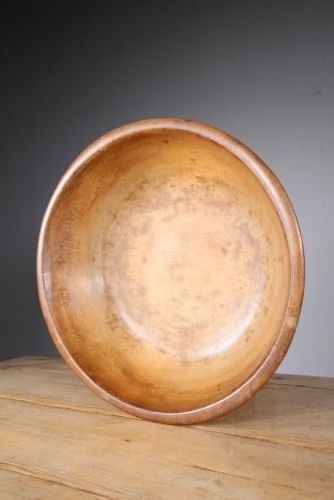
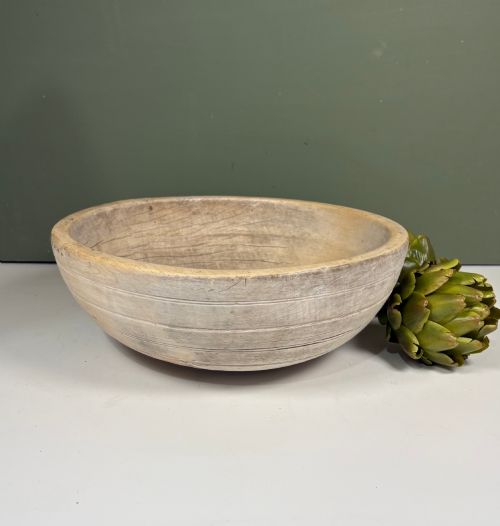
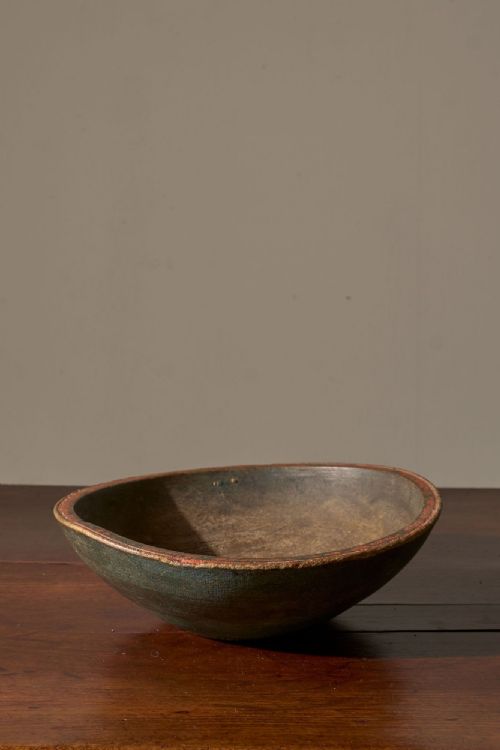
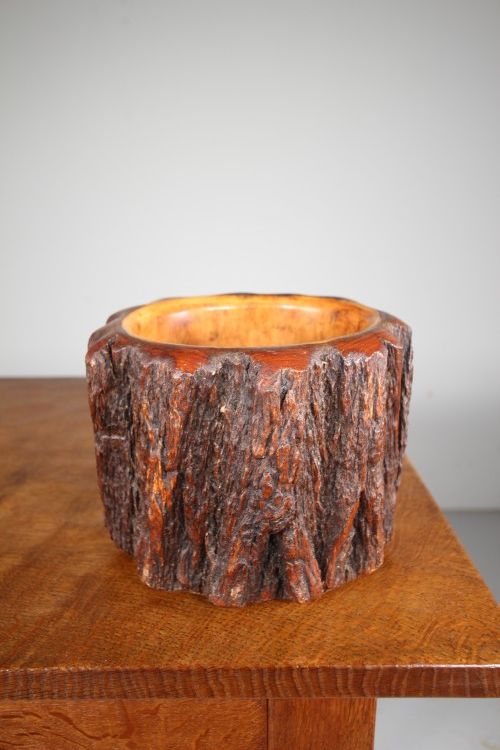
These rustic treen bowl examples are honest wooden vessels shaped by hand for daily domestic work, prized for their deep grain and tactile warmth.
Rustic Treen Bowl
A rustic treen bowl represents domestic utility from past centuries, shaped for dairy work, serving food, or holding salt in traditional kitchens. When you search for a rustic treen bowl, you encounter functional objects that have survived generations of handling in rural homes.
The pieces on this page span the eighteenth and nineteenth centuries, taking the form of large dairy bowls, turned salts, platters, and dug-out vessels. English, Welsh, French Provincial, and Swedish Country origins appear regularly among these utilitarian wooden objects.
Dairy bowls dominate the selection, offering generous proportions and high sides originally designed for setting milk and skimming cream. Smaller treen containers, egg ladles, and platters also surface, showing the diverse scope of early wooden kitchenware.
Materials and construction
Makers relied on dense native timbers such as sycamore, laburnum, ash, and birch, selected for stability and resistance to splitting during heavy kitchen use. Sycamore was favoured for dairy vessels because the pale wood imparted no strong flavours or odours to food.
Turned items took shape on a lathe from green wood, shrinking and warping slightly as they dried to acquire characteristic oval contours. Dug-out bowls were laboriously hacked and carved straight from solid sections of tree trunks or stem sections.
Surface treatments remained minimal, consisting largely of natural oils, ingrained milk residues, and decades of scrubbing that developed a warm, tactile patina. Occasional survivals retain traces of old paint, particularly in Swedish examples.
Rustic Treen Bowl Retail Price Guide 2026
Typical asking prices for rustic treen bowl among the pieces listed under this phrase on Sellingantiques today, from the lower quarter to the upper quarter. They describe what is for sale here now, not the wider market.
Geographic origins represented include English, Welsh, French Provincial, and Swedish Country traditions.
Distinguishing quality in early treen
Quality rests in the balance between original function and the preservation of tool marks left by the maker's gouge or lathe chisel. A superior vessel retains its authentic thickness and comfortable heft without excessive thinning from centuries of energetic scouring.
The depth and richness of the surface patina dictate visual appeal, distinguishing bowls cared for through generations from those stripped or over-cleaned in modern times. Evidence of period repairs, such as old metal staples or pegged cracks, often adds character rather than diminishing value when executed honestly.
The Rustic Treen Bowl Glossary
- Treen
- Small handmade wooden domestic objects produced before the age of mass plastics and cheap ceramics. The term derives from old terminology meaning made of tree.
- Dairy bowl
- A wide, shallow wooden vessel utilised for setting milk to rise so the cream could be skimmed off the top. These pieces generally feature flat bases and substantial walls.
- Patina
- The deep surface sheen and colour acquired by wood through decades of handling, exposure to light, and application of natural oils. This finish cannot be artificially replicated with modern polishes.
- Lathe turned
- Shaped on a rotating machine using handheld chisels to create symmetrical round vessels and containers. Evidence of this process often remains visible on the exterior walls.
- Dug-out
- Formed by carving and hollowing a single solid block of timber rather than turning on a lathe. This technique was typically reserved for heavier platters and large rustic bowls.
Rustic Treen Bowl: Frequently Asked Questions
What were rustic treen bowls used for?
These wooden vessels served practical functions in rural kitchens, ranging from skimming milk in dairy bowls to holding salt, serving food, or collecting wine dregs. Households relied on wood because it was durable, local, and less prone to chipping than early earthenware.
Over decades of daily scrubbing and use, the wood absorbed fats and oils, which contributed to the preservation and distinct character of each surviving piece.
How do I care for an antique wooden bowl?
Keep wooden vessels away from direct heat sources, radiators, and strong sunlight to prevent the timber from drying out and splitting. Wash them gently by hand with minimal water and dry them immediately rather than leaving them submerged.
Occasional treatment with a neutral food-safe oil helps maintain the moisture in older sycamore and ash without altering the historic surface patina.
How can I tell an eighteenth century bowl from a nineteenth century one?
Earlier eighteenth century pieces frequently show the irregularities of hand-carving and heavier tool marks from traditional pit-sawing and adze work. Nineteenth century examples often display more regular lathe turning methods as workshop technology advanced.
Examining the wear patterns on the base and rim provides further clues about the intensity and duration of domestic use.
Are these bowls safe for serving food?
While many antique bowls remain structurally sound, centuries of historic kitchen use and accumulated dry patina mean most collectors prefer to use them for display or holding dry items like fruit. Using unsealed historic wood for wet foods can introduce modern bacteria into ancient grain.
Inspect the interior surface for historic repairs or old residues before deciding how to incorporate the vessel into your home.