





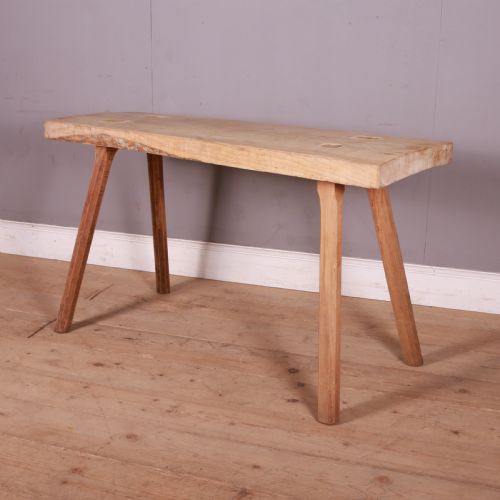
Rustic Timber Hallway Table
These rustic timber hallway table examples offer solid daily utility and warm character, bringing dependable surfaces into narrow spaces.
Rustic Timber Hallway Table
A rustic timber hallway table brings sturdy surface utility to an entryway, drawing on centuries of vernacular furniture design. When searching for a rustic timber hallway table, buyers typically encounter console tables, serving tables, and dresser bases from the nineteenth century. These forms originate from regional traditions across Britain and continental Europe, spanning styles from French country to Victorian country.
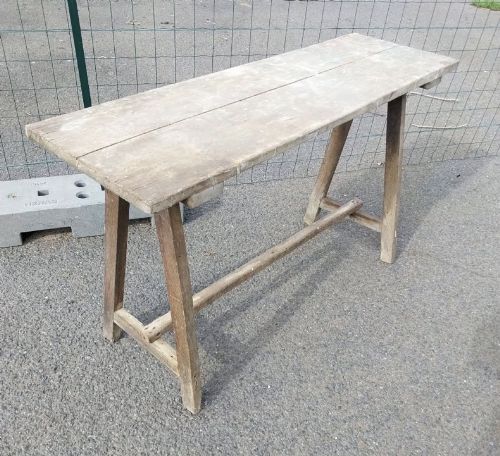
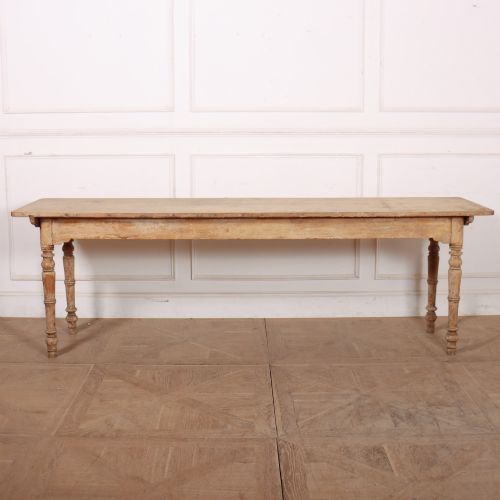
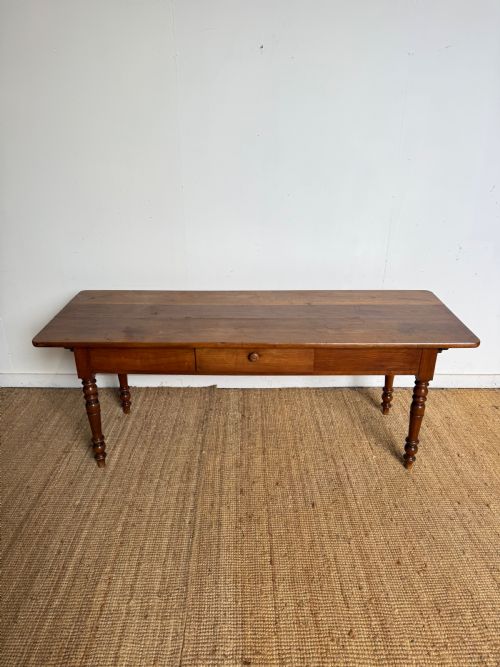
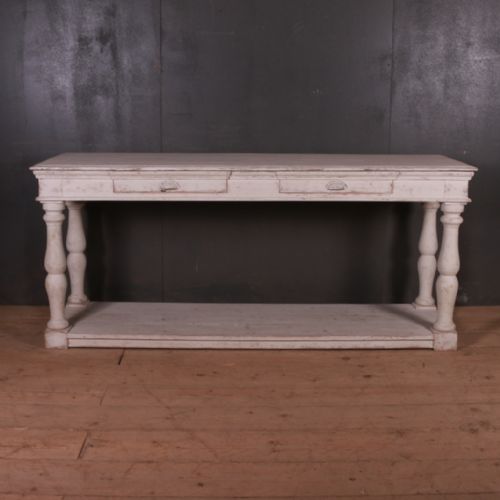
The selection on this page demonstrates various forms suited to narrow circulation spaces. Console tables and side tables appear alongside broader dresser bases and trestle tables. Their dimensions suit hallways and corridors where shallow depth matters.
Origins range from English workshops to French provincial makers and Italian country estates. Pieces often reflect the practical demands of nineteenth-century domestic life through unpretentious construction.
How they were made
Construction relies on solid hardwoods and softwoods selected for local availability. Joinery utilises traditional framing methods appropriate to heavy everyday use.
Surfaces show the natural grain of timber or carry remnants of old paint. Materials such as pine, elm, oak, cherrywood, ash, sycamore, walnut, and brass appear across the listings.
Rustic Timber Hallway Table Retail Price Guide 2026
Typical asking prices for rustic timber hallway table among the pieces listed under this phrase on Sellingantiques today, from the lower quarter to the upper quarter. They describe what is for sale here now, not the wider market.
A West Country pig bench from the late nineteenth century demonstrates how agricultural utility quietly crosses over into hallway seating.
What varies in quality
Quality differences lie in the selection of timber and the integrity of the original construction. Better examples retain their structural stability without excessive modern intervention.
The character of the surface finish plays a central role. Retained original paint or well-weathered timber patination elevates a piece above standard utilitarian examples.
The Rustic Timber Hallway Table Glossary
- Console table
- A table designed to stand against a wall, often supported by brackets or legs. These narrow surfaces suit entryways and hallways.
- Dresser base
- The lower section of a traditional kitchen or dining dresser, featuring cupboards or drawers beneath a sturdy top. They provide substantial storage and surface area.
- Trestle table
- A table consisting of two or more trestles supporting a horizontal top. This form allows maximum legroom along the length of the furniture.
- Patina
- The surface sheen and colour acquired by materials through age and use. It represents the natural wear of decades.
- Vernacular furniture
- Everyday items made by local craftspeople using regional materials, distinct from high-style workshop production.
Rustic Timber Hallway Table: Frequently Asked Questions
What is a rustic timber hallway table?
A rustic timber hallway table is a narrow surface piece designed for corridors and entryways. These items draw on nineteenth-century vernacular furniture traditions.
They provide practical placement for everyday items while adding traditional character to domestic spaces.
How do I choose the right size?
Measure your corridor width carefully to ensure adequate clearance for movement. Consider the depth of the console or side table relative to doors and walkways.
Proportions should match the scale of the wall space without blocking traffic flow.
Which woods were used?
Nineteenth-century makers utilised available regional timbers such as pine, elm, oak, cherrywood, ash, sycamore, and walnut. Selection depended on local forestry and workshop traditions.
Some pieces combine multiple timber species within a single construction.
Are painted finishes original?
Many nineteenth-century pieces retain old or original painted surfaces applied to soften or protect the timber. Paint layers often show weathering accumulated over decades of use.
Inspect the surface closely to distinguish early paint from later decoration.
Where were these tables made?
Surviving examples originate from British workshops, French provincial regions, and Italian country estates. Regional design traits often reflect local domestic requirements.
French and Italian pieces frequently demonstrate distinct leg profiles and proportion choices.