

Rustic Timber Desk
A rustic timber desk offers honest utility and tactile warmth, bringing enduring craft to your workspace.
Rustic Timber Desk
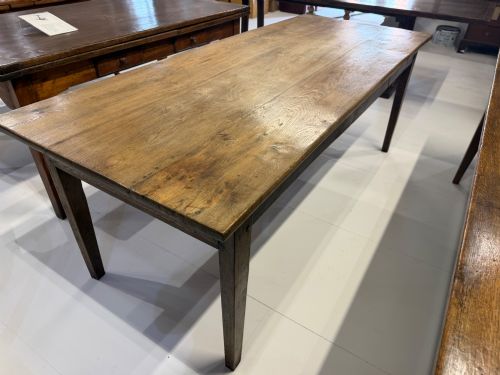
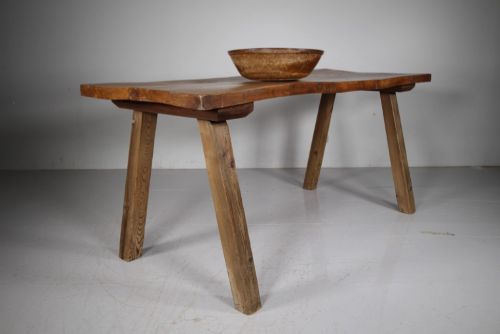
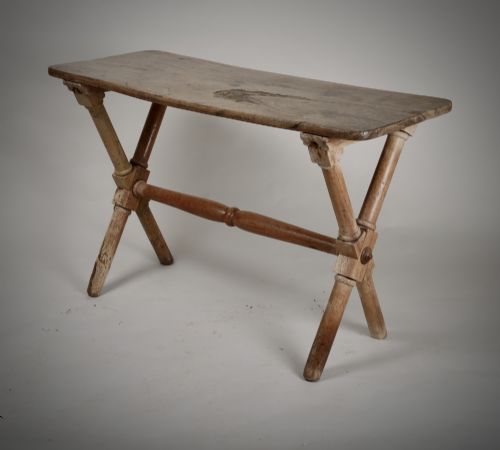
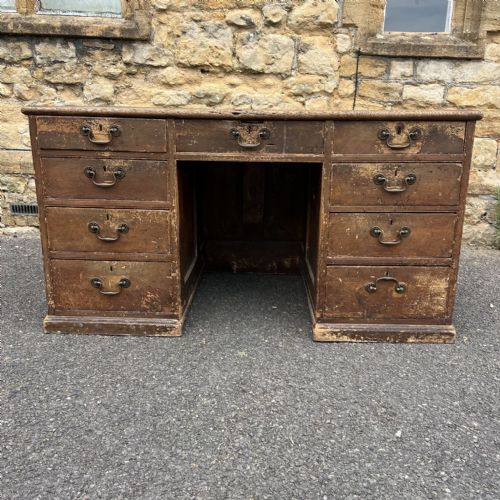
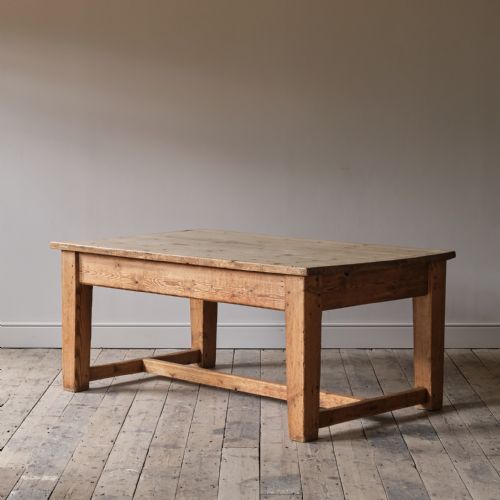
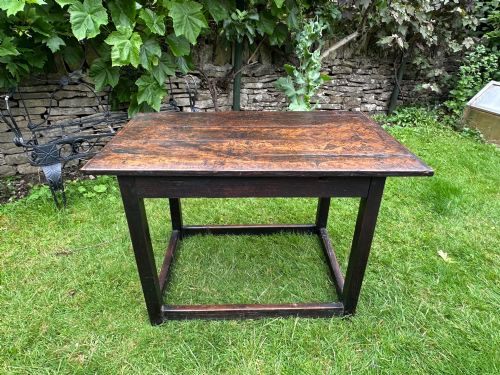
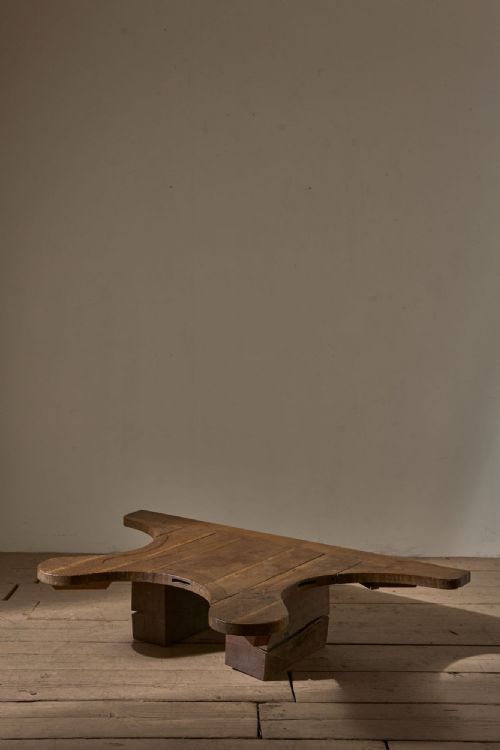
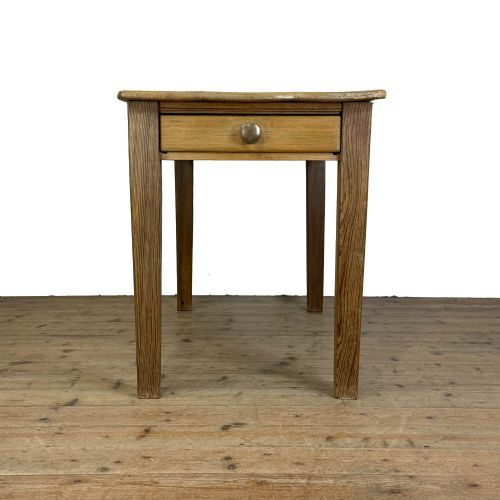
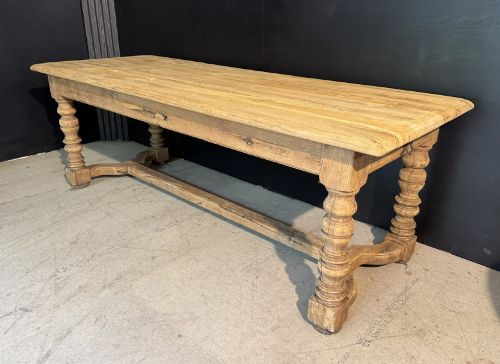
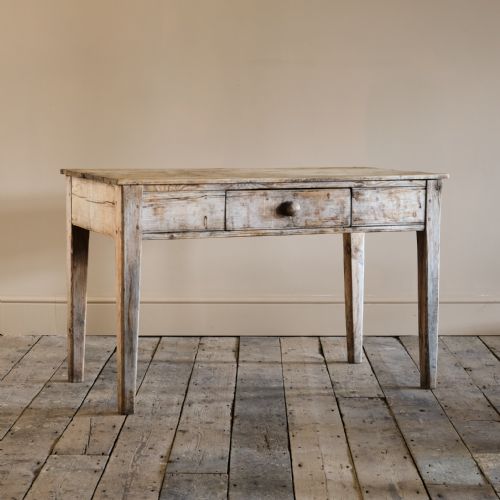
A rustic timber desk embodies utilitarian forms from past centuries, often originating from estate offices, workshops, and farmhouse kitchens. When exploring options for a rustic timber desk, buyers frequently encounter pieces fashioned from pine, oak, and elm dating from the eighteenth and nineteenth centuries.
The selection ranges from narrow pitch pine boards to robust plank-top designs reflecting Georgian, Victorian, and French provincial traditions. These sturdy workstations served practical domestic and commercial purposes long before entering the antiques market.
Materials and construction methods
Construction relies heavily on domestic hardwoods and softwoods like oak, pine, ash, and elm, joined with traditional pegged mortise and tenon joints. Carpenters utilised local timber stocks, occasionally incorporating iron hardware or brass fixtures for structural reinforcement.
Surfaces bear the marks of intensive daily use, shaped by hand planes, drawknives, and saws rather than automated machinery. Paint finishes such as Swedish Falu red or limed treatments appear alongside bare, scrubbed wooden tops.
Assessing build quality and integrity
Quality rests upon the structural integrity of the frame and the retention of original timber surfaces rather than applied ornamentation. Pieces retaining their original patination, unaltered drawer configurations, and unplaned board thickness sit at the upper end of the scale.
Heavy alterations, replaced structural supports, or inappropriate modern fixings diminish the historical coherence of a piece. The distinction lies in how much of the original maker's hand and subsequent working life remains visible in the grain and joints.
The Rustic Timber Desk Glossary
- Plank top
- A surface constructed from wide timber boards joined edge to edge. This method allows the natural grain and growth rings to dominate the visual character of the working area.
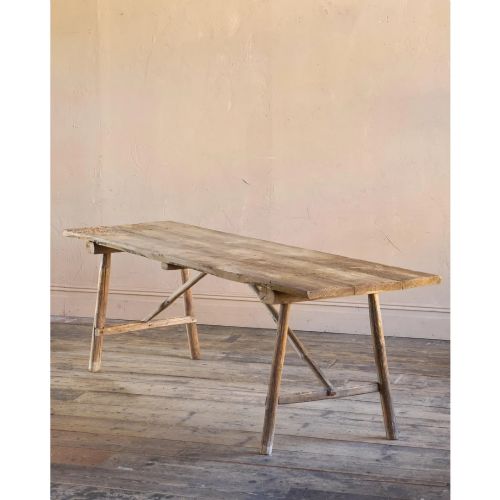
- Trestle
- A support structure consisting of horizontal beams connected to upright legs. It provides stable floor contact without corner posts restricting legroom beneath.
- Patina
- The surface sheen and colour acquired through decades of handling, polishing, and environmental exposure. It signals age and authenticity.
- Primitive
- Describing furniture made without academic stylistic pretensions, focusing entirely on functional utility. These objects display straightforward joinery and unadorned surfaces.
- Scullery
- Pertaining to domestic service rooms associated with food preparation and washing. Tables from this context prioritised scrubbable softwoods and durable utility.
Rustic Timber Desk: Frequently Asked Questions
How do I clean a timber desk?
Dust regularly with a dry cloth and occasionally feed dry timber with appropriate natural wax.
Avoid liquid cleaning products that strip the accumulated historical surface layer.
Are these desks suitable for daily work?
Most historic tables and benches provide adequate height and stability for modern writing tasks.
Check specific depth and leg clearance measurements before placing office equipment on them.
How do I identify pine from oak?
Pine is a softer coniferous wood showing straight grain lines and knots, while oak is a dense hardwood featuring visible medullary rays.
Pine items often carry painted or scrubbed finishes whereas oak displays deeper brown tones.
What defines a provincial style?
Provincial pieces reflect regional rural tastes rather than metropolitan court fashions.
They utilise locally available woods and straightforward construction methods suited to country workshops.