



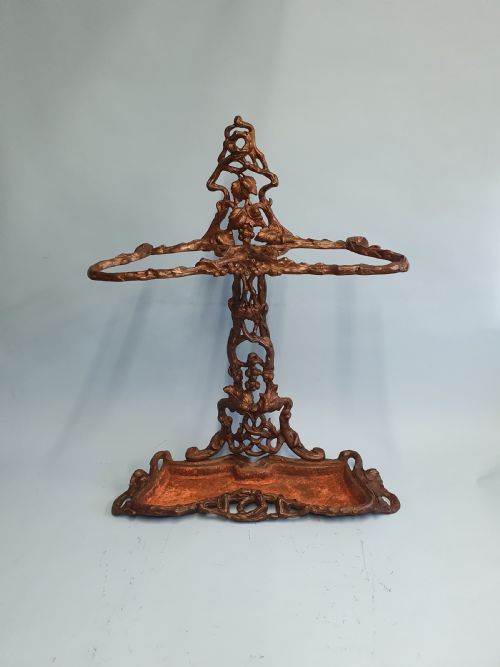


Rustic Stick Umbrella Stand
These rustic stick umbrella stand examples bring purposeful utility and tactile character to an entryway through honest materials like carved wood and bound oak.
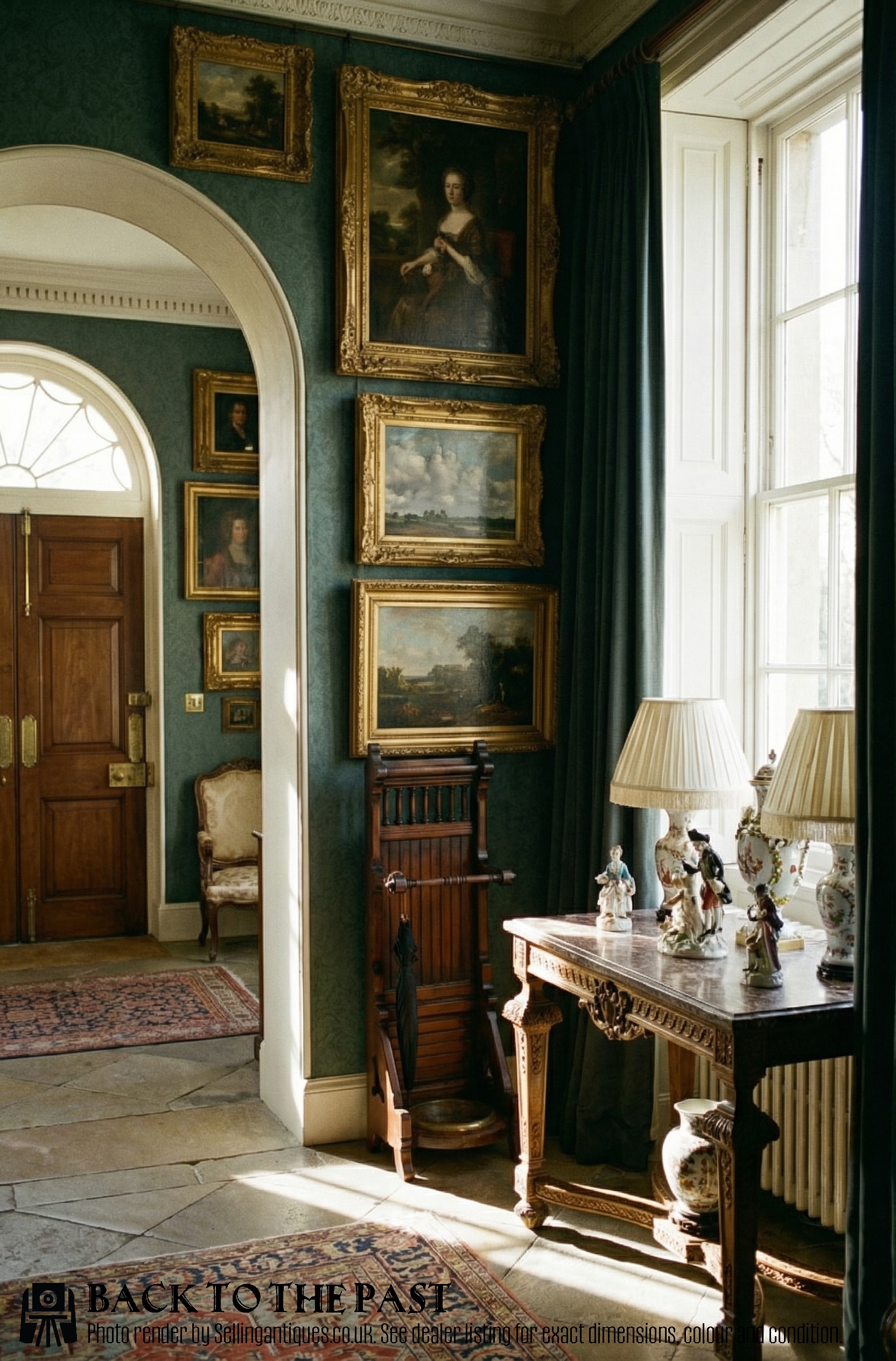
Rustic Stick Umbrella Stand
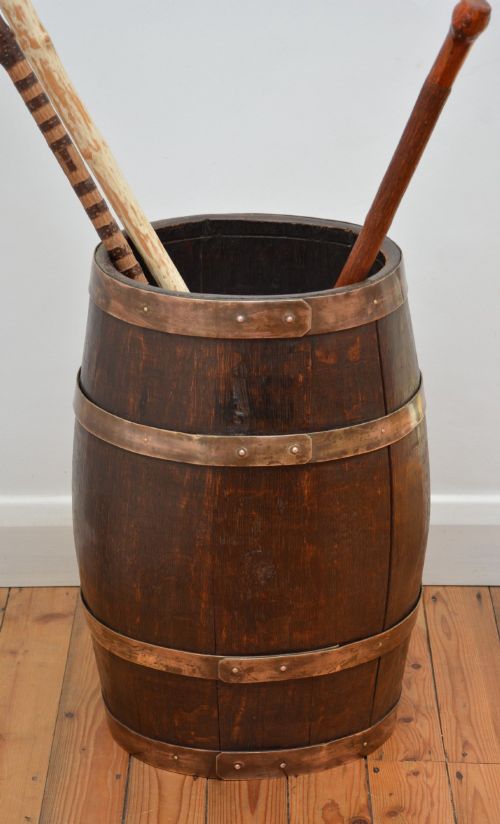
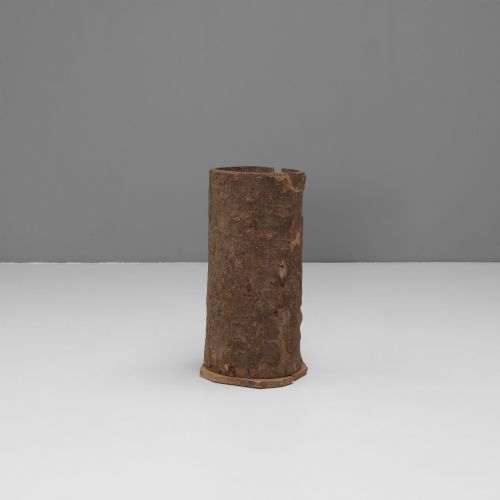
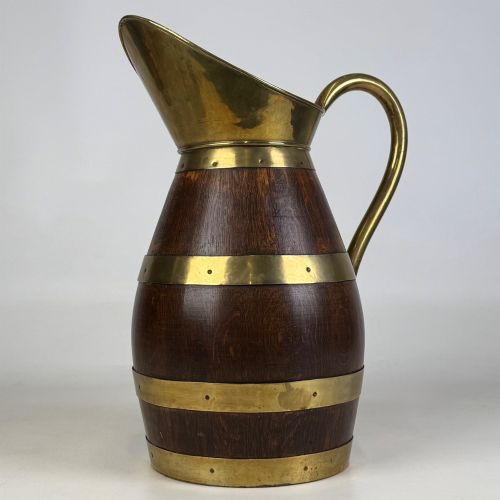
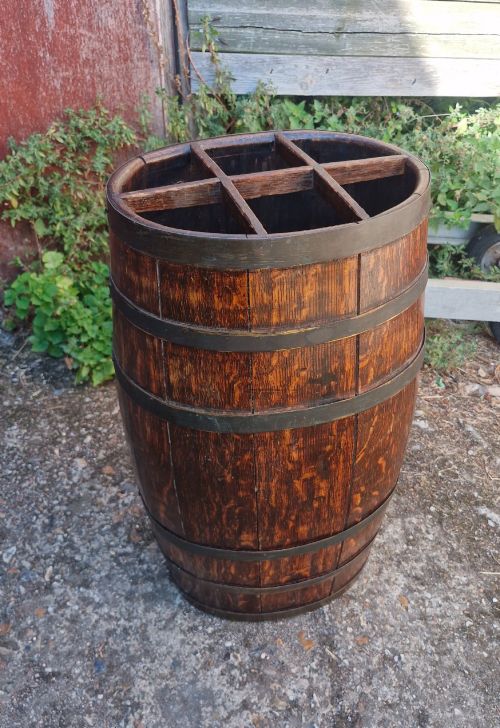
A rustic stick umbrella stand serves the practical purpose of holding wet walking sticks and umbrellas in a hallway while displaying the natural textures of timber, iron and brass. When browsing for a rustic stick umbrella stand, buyers frequently encounter oak barrels with metal banding, carved lindenwood figures and heavy cast iron vessels.
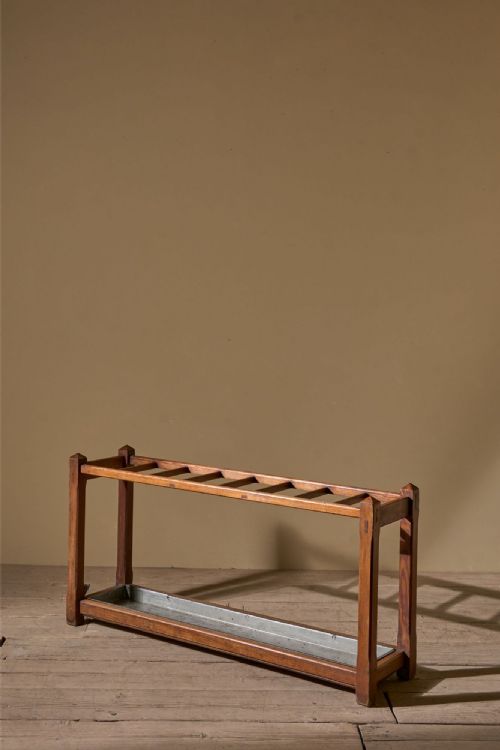
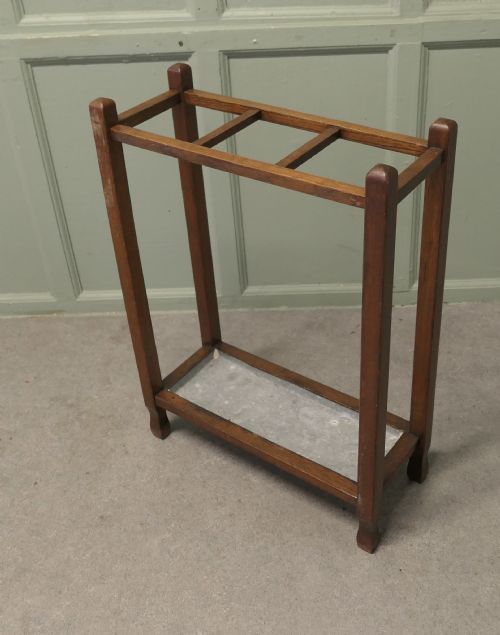
The selections span the nineteenth century into the early twentieth century, incorporating Victorian, Edwardian and Arts and Crafts design sensibilities. Oak is the dominant timber seen across these pieces, frequently shaped into coopered barrels or rectilinear hall stands with drop trays.
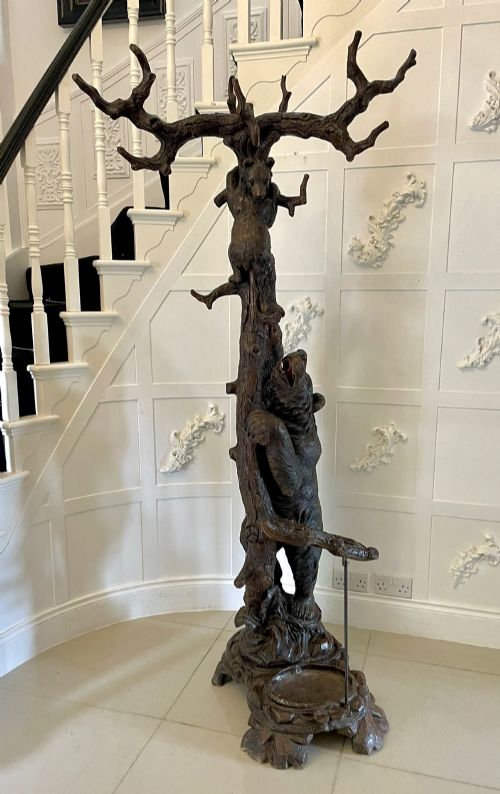
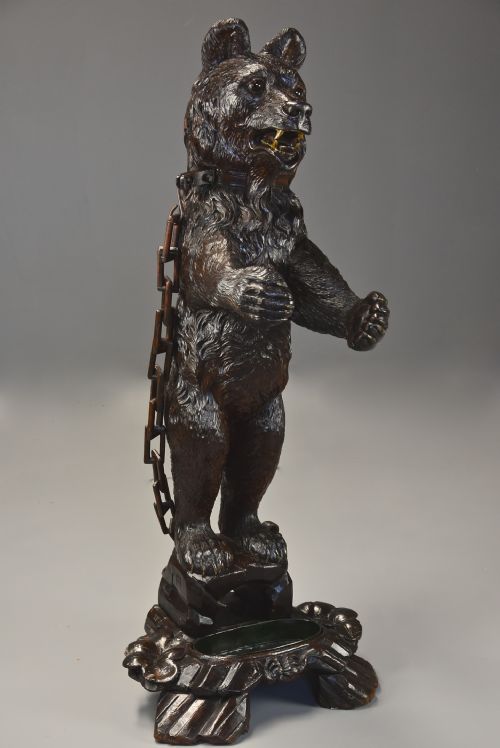
More ornate expressions include Black Forest carvings featuring bears holding vessels, alongside Gothic Revival architectural forms. These objects bridge utilitarian function and decorative folk art, fitting easily into traditional English country interiors.
Distinguishing quality in construction
Quality rests in the integrity of the timber selection and the precision of the metal binding or carving. Superior examples feature tight cooperage, substantial gauge brass hoops and deeply detailed hand carving that retains its crisp edges.
Lesser pieces show crude assembly or replacement hardware that disrupts the period harmony. The presence of original fitted metal drop trays indicates a higher grade of utilitarian manufacture.
Rustic Stick Umbrella Stand Retail Price Guide 2026
Typical asking prices for rustic stick umbrella stand among the pieces listed under this phrase on Sellingantiques today, from the lower quarter to the upper quarter. They describe what is for sale here now, not the wider market.
Several nineteen-century bears stand ready in the hallway holding your walking sticks without ever asking for honey.
A Kenrick & Sons
The Rustic Stick Umbrella Stand Glossary
- Coopered
- Constructed from wooden staves bound together with metal hoops, much like a traditional barrel. This technique provided the structural strength needed for heavy timber umbrella holders.
- Drop tray
- A shallow metal pan placed at the base of a stand to catch water dripping from wet sticks and umbrellas. These removable trays protected wooden floors from moisture damage.
- Black Forest
- A nineteenth century decorative style originating in the wooded mountain region of Germany, known for highly detailed animal carvings in lindenwood. Bears holding vessels are a signature form.
- Arts and Crafts
- A design movement valuing hand craftsmanship and simple forms over mass production. Pieces from this tradition emphasise the natural grain of golden oak and exposed construction details.
- Gothic Revival
- An architectural and decorative style drawing on medieval forms, featuring pointed arches and heavy proportions. This aesthetic appears on country house umbrella stands.
Rustic Stick Umbrella Stand: Frequently Asked Questions
What woods were used for these stands?
Makers relied heavily on solid oak for barrels and hall stands, alongside lindenwood for carved animal figures and pine for longer structural sections.
These materials were chosen for their durability and availability in traditional English and continental workshops.
How do I manage water runoff?
Many period stands feature original zinc or metal drop trays fitted at the base to catch moisture from wet umbrellas.
Emptying these removable trays periodically protects the surrounding timber floorboards from dampness.
What is a coopered barrel stand?
Coopered stands are built from vertical wooden staves held tightly together by brass or iron bands, mimicking traditional liquid storage barrels.
This method created sturdy, waterproof vessels well suited to holding heavy walking sticks and wet umbrellas.
How do I distinguish Black Forest pieces?
Black Forest stands are characterised by intricate hand carvings of animals, most notably bears holding bowls or tree trunks, executed in lindenwood.
These decorative objects date largely from the nineteenth and early twentieth centuries.