




Rustic Spanish Furniture
Rustic spanish furniture brings the sturdy, honest craftsmanship of Iberian farmhouses and rural homes directly into a modern interior.
Rustic Spanish Furniture
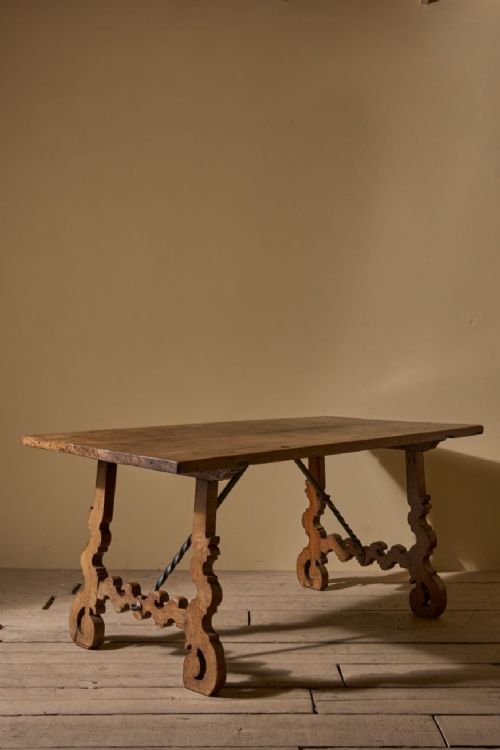
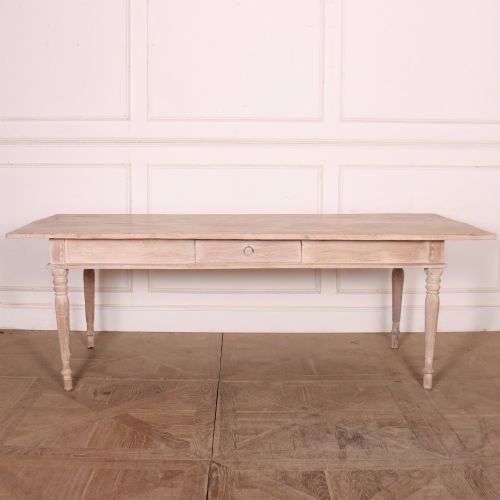
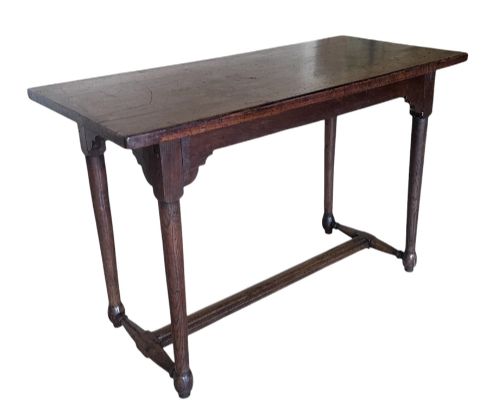
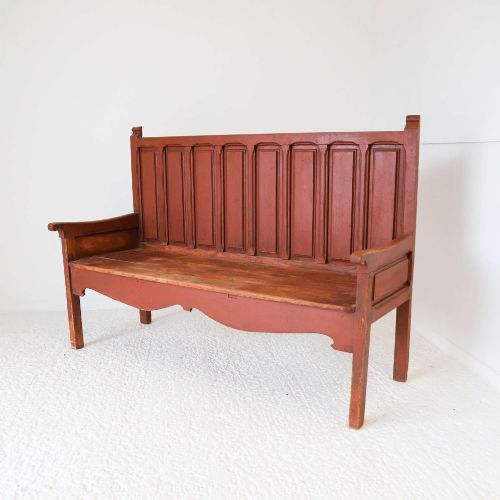
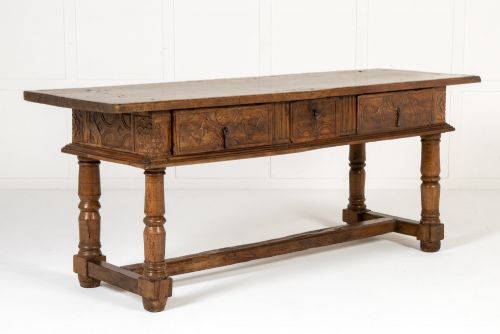
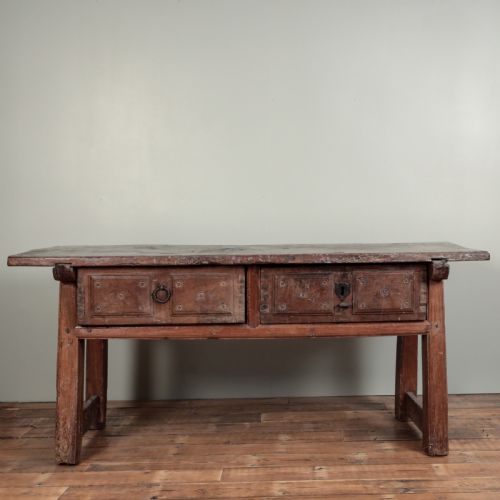
The most common forms on this page include heavy dining tables, side tables, and high-backed settles designed for practical daily use. These domestic objects reflect the traditional domestic life of the Iberian peninsula through simple lines and functional construction.
What varies in quality
The degree of original survival in the timber and ironwork determines the standing of an individual piece within its type. Examples retaining their initial surface patination and primary structural timbers sit comfortably above heavily restored or altered items.
Proportion and the integration of secondary woods also separate standard provincial work from finer regional examples. The balance between utilitarian strength and thoughtful joinery governs the overall success of the object.
Listings span five centuries, incorporating walnut, pine, oak, chestnut, and painted finishes across tables, benches, and boxes.
The Rustic Spanish Furniture Glossary
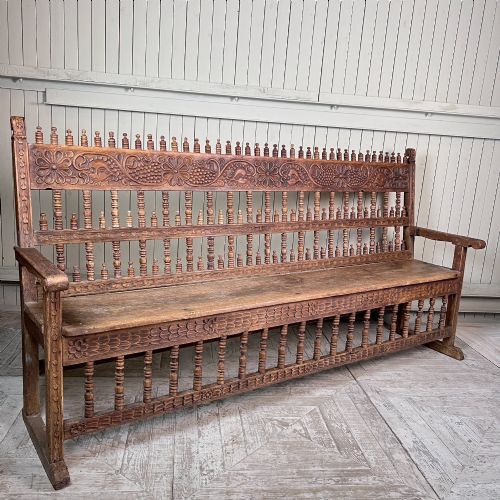
- Settle
- A wooden bench with a high back, solid arms, and often a storage box beneath the seat. This form provided shelter from drafts in large, unheated rooms.
- Spanish Baroque
- A decorative style spanning the seventeenth and eighteenth centuries characterised by bold proportions and restrained ornamentation. It values structural weight over surface carving.
- Wrought iron
- Iron heated and hammered into shape by a blacksmith to create utilitarian braces and hinges. This material adds both structural rigidity and functional contrast to timber.
- Spanish Colonial
- Furniture produced in overseas territories under Spanish rule, incorporating local timbers and traditional Iberian forms. These pieces often display distinct regional carving adaptations.
- Chestnut
- A durable, coarse-grained hardwood utilised in provincial furniture making across southern Europe. It offers similar weight to oak while remaining workable for local joiners.
Rustic Spanish Furniture: Frequently Asked Questions
How do I clean antique wooden benches?
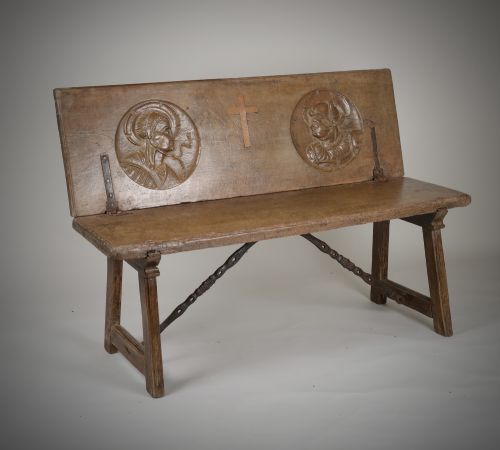
Dust the surfaces regularly with a dry, soft cloth to prevent particulate accumulation in the grain. Avoid chemical sprays or excessive moisture which can damage historic finishes.
Apply a neutral beeswax sparingly when the timber appears dry, buffing gently to maintain the natural sheen. Preserving the existing surface patina is essential for maintaining the character of older wood.
Were these tables used for dining?
Many heavy tables served multiple daily purposes within the farmhouse interior, including food preparation and general household tasks. Their robust construction accommodated heavy use by large households.
Smaller side tables and occasional pieces fulfilled specific domestic functions such as holding lighting or food storage. Their practical origins dictate their straightforward proportions.
How do I date a rustic wooden box?
Examine the construction methods, tool marks, and fastener types used to join the timber panels together. Hand-cut dovetails and forged iron hinges usually indicate earlier periods of manufacture.
Changes in timber species and the presence of original locks or keys also help establish a chronological window. Compare the construction details against dated examples from similar regional workshops.