

Rustic Server Cabinet
A rustic server cabinet offers robust storage for dining spaces, bringing practical charm and enduring character to modern interiors.
Rustic Server Cabinet
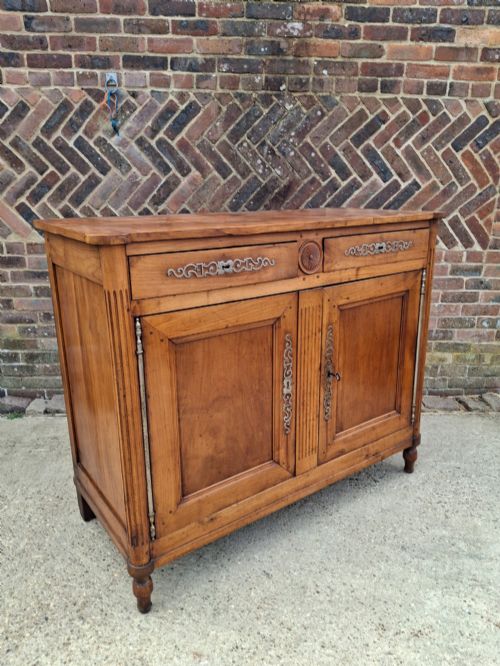
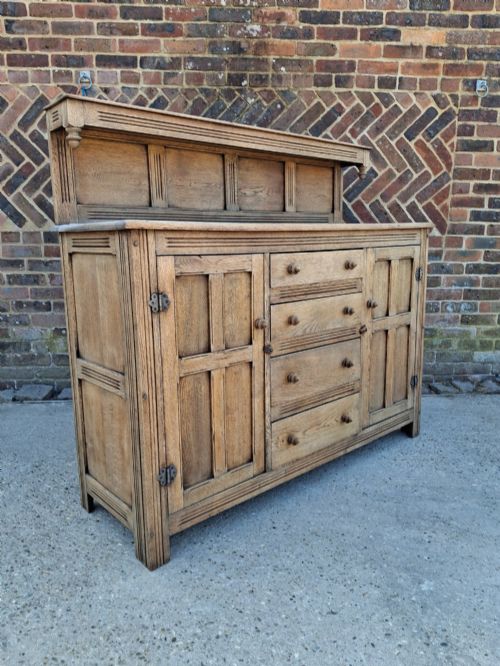
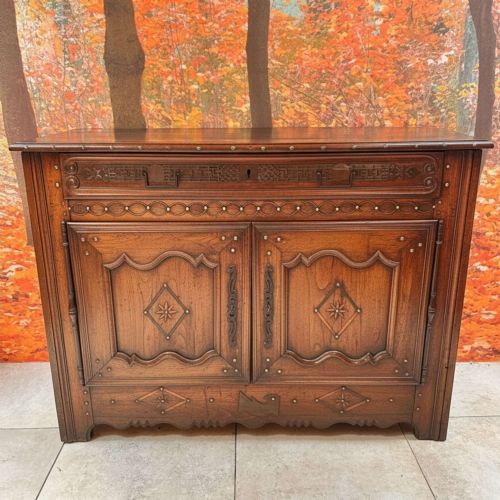
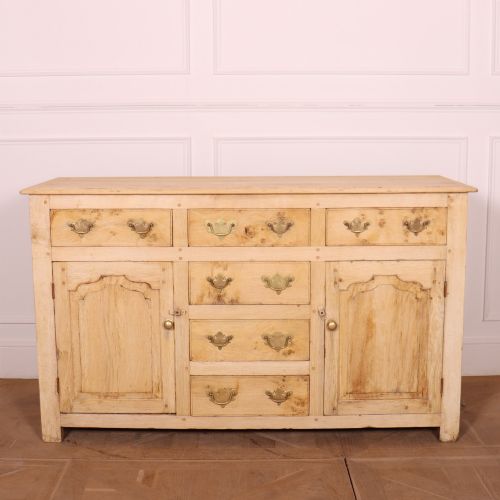
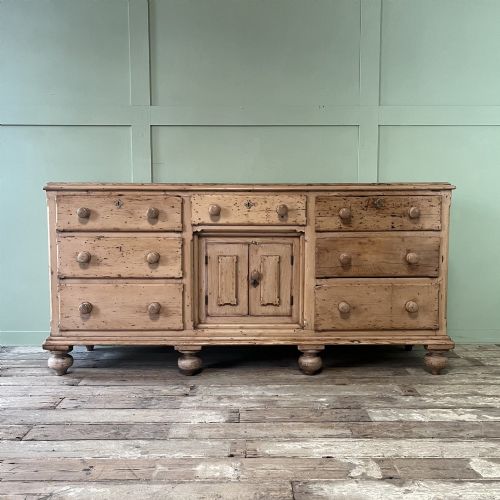
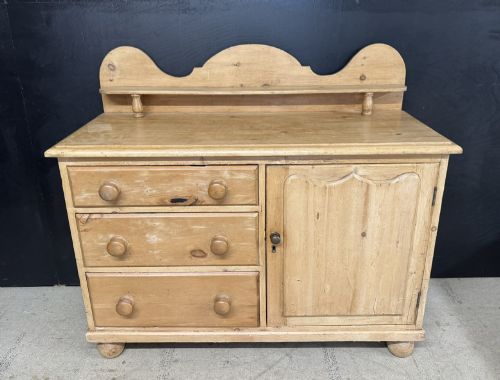
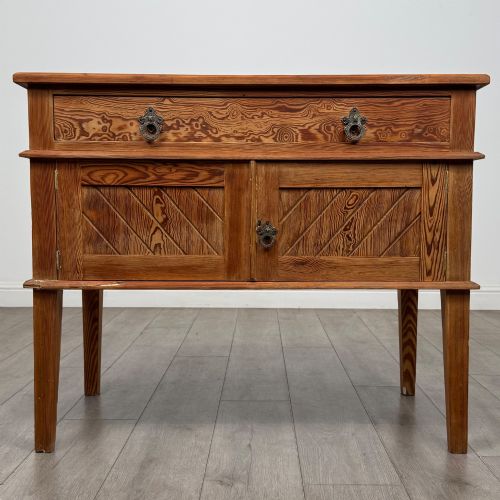
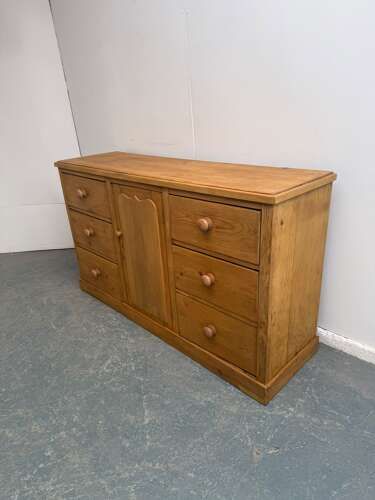
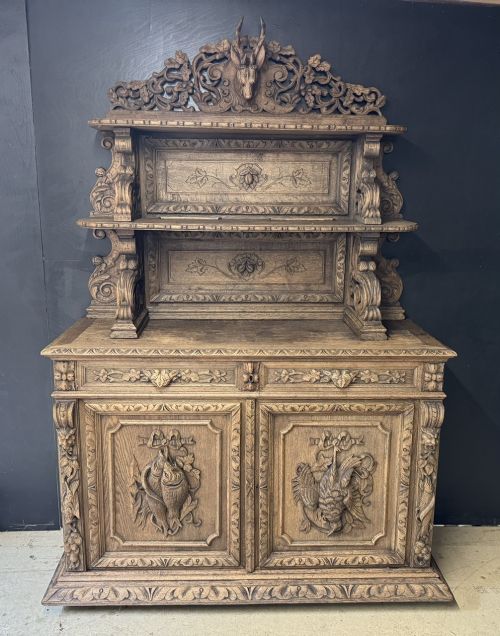
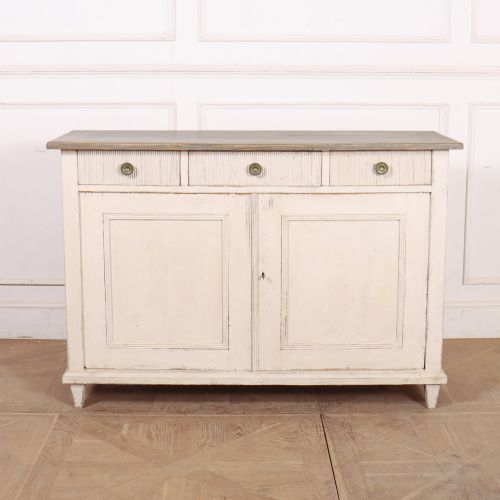
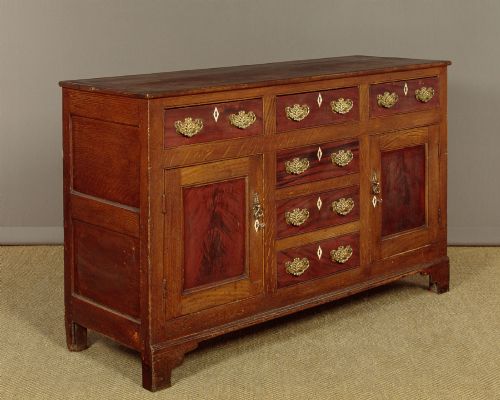
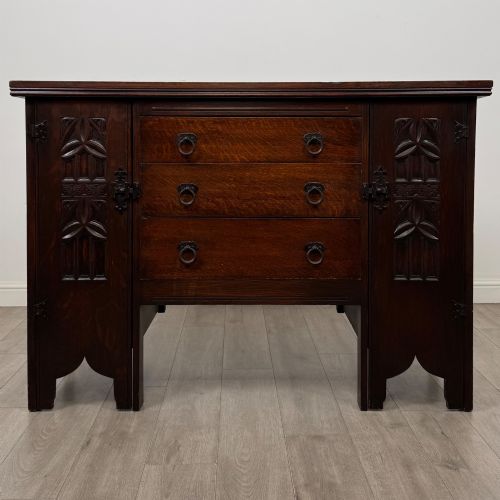
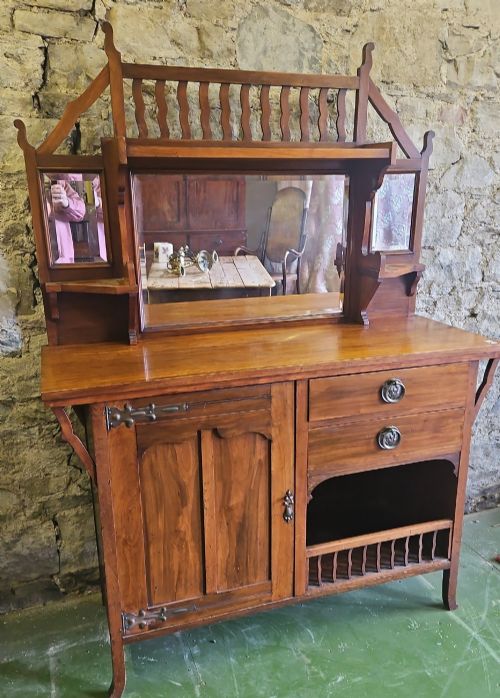
A rustic server cabinet encompasses sturdy sideboards, dresser bases, and cupboards designed for utilitarian food preparation and dining storage. These practical forms emerge across the Georgian, Victorian, and Edwardian periods, reflecting regional domestic traditions.
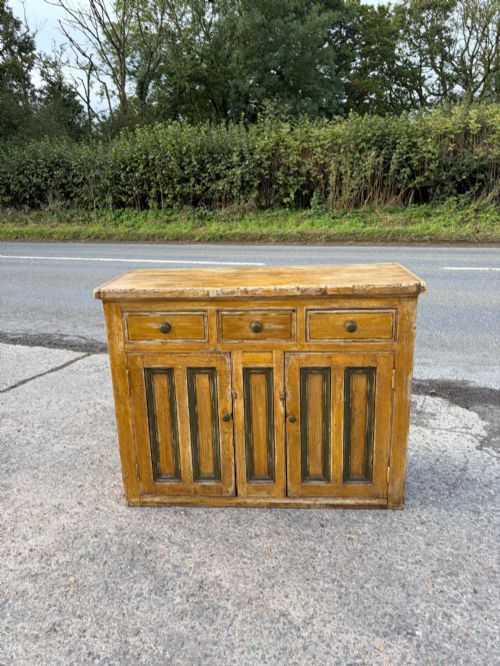
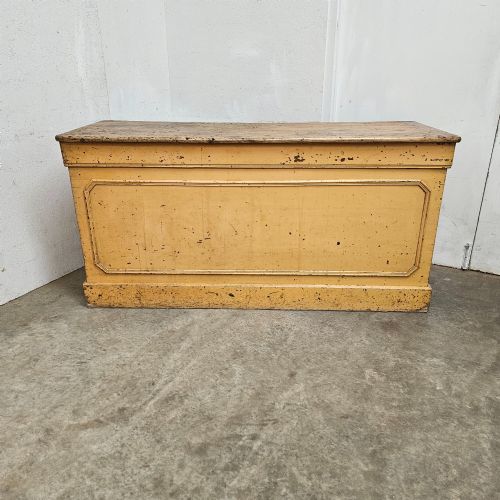
Buyers meet pine and oak examples most frequently on this page, often showing painted finishes or waxed surfaces. Many pieces originate from British and French country workshops, balancing honest construction with domestic utility.
Formations range from shallow hall cupboards to large multi-drawer kitchen dresser bases fitted with brass ring pulls or iron handles. Such diverse proportions allow these cabinets to function effectively in contemporary kitchens and dining rooms.
How they were made
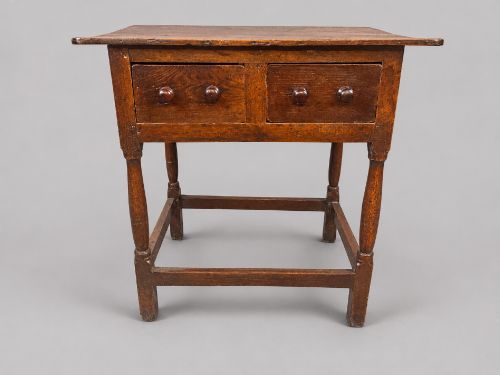
Cabinet makers utilised solid timbers such as pine, oak, elm, chestnut, and cherrywood to construct these cabinets. Carpenters joined structural elements using traditional methods, often retaining visible grain and tool marks on unpainted surfaces.
Iron and brass hardware, including ring pulls and drop handles, secure doors and drawers. Painted finishes, frequently original, protect the wood while introducing colour and regional decorative style to the surface.
Rustic Server Cabinet Retail Price Guide 2026
Typical asking prices for rustic server cabinet among the pieces listed under this phrase on Sellingantiques today, from the lower quarter to the upper quarter. They describe what is for sale here now, not the wider market.
Listings feature robust timbers including pine, oak, pitch pine, chestnut, and cherrywood, spanning the Georgian, Victorian, and Edwardian periods.
What varies in quality
Construction integrity separates standard domestic storage from finer cabinet work, evident in the snugness of drawer joints and the stability of panelled doors. Timber selection also dictates overall grade, with dense pitch pine and figured oak commanding greater appreciation.
Surfaces display varying degrees of originality, where untouched period paint or deep natural patination elevates a piece far above later stripped alternatives. Proportions and decorative carving, from simple chamfered edges to floral motifs, further define the tier of craftsmanship.
The Rustic Server Cabinet Glossary
- Dresser base
- A lower cabinet featuring cupboards and drawers, historically used for food preparation and serving in large kitchens. This form omits the upper plate rack entirely.
- Chiffonier
- A compact sideboard or low cupboard developed during the nineteenth century, often equipped with enclosed shelving for glassware and silver.
- Patina
- The surface sheen and texture acquired by wood and paint through decades of handling, cleaning, and ageing. Collectors prize undisturbed patination for its historical honesty.
- Bread slide
- A pull-out wooden shelf integrated into a cabinet base, historically used for cooling loaves or staging dishes during meal preparation.
Rustic Server Cabinet: Frequently Asked Questions
What is a rustic server cabinet used for?
These cabinets serve primarily as dining room storage for tableware, linen, and serving platters. Their flat top surfaces also provide practical space for staging food or displaying decorative objects during gatherings.
In modern homes, they frequently function as sideboards in living areas or as prep counters in spacious kitchens. The combination of cupboards and drawers accommodates a wide variety of household items.
How do I care for a waxed pine finish?
Maintain waxed timber surfaces by applying a quality beeswax polish sparingly every few months. Buff the wood gently with a soft cloth to preserve the protective sheen and feed the grain.
Avoid placing these cabinets near direct heat sources or in humid conditions, which can cause timber to warp or split. Wipe spills promptly with a dry or barely damp cloth to prevent water marks.
Can I paint an unpainted wooden cabinet?
Many pine and oak cabinets are sold ready to wax or paint according to personal preference. Applying traditional paints allows the piece to integrate seamlessly into specific interior colour schemes.
However, cabinets retaining original period paint warrant careful consideration before any alteration. Preserving historic painted surfaces maintains the integrity and historical value of the piece.