



Rustic Prep Table Base
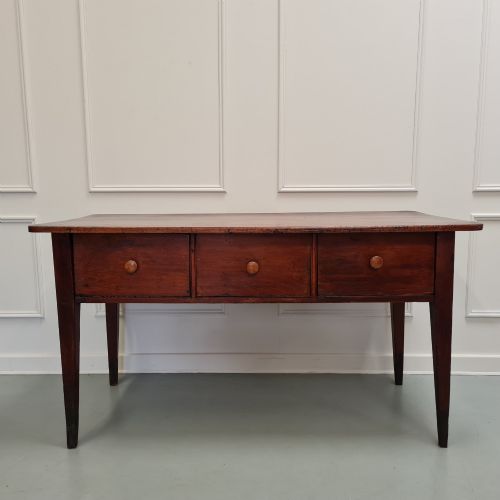
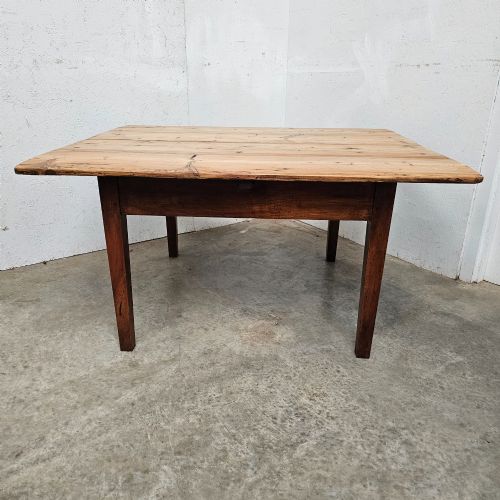
These rustic prep table base examples offer sturdy kitchen foundations shaped from pine, oak, and beech across the nineteenth and twentieth centuries.
Rustic Prep Table Base
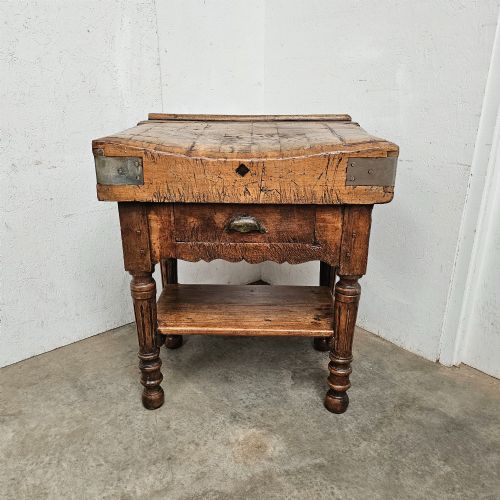
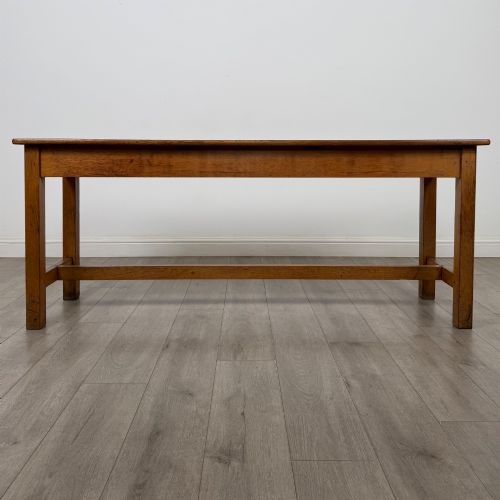
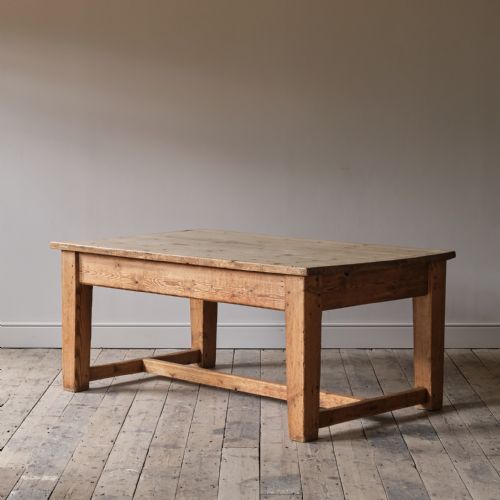
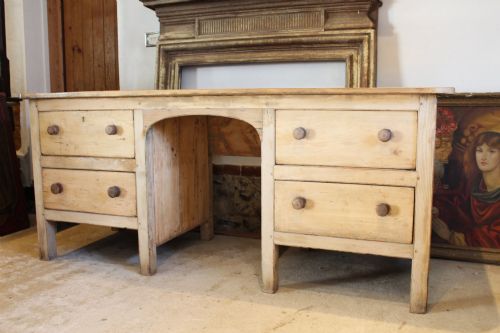
A rustic prep table base provides the structural support for hardworking kitchen and utility furniture, often seen without its original top or modified for modern use. The pieces gathered under the rustic prep table base heading span the nineteenth century into the Edwardian period, encompassing styles from English country to French provincial and Victorian industrial.
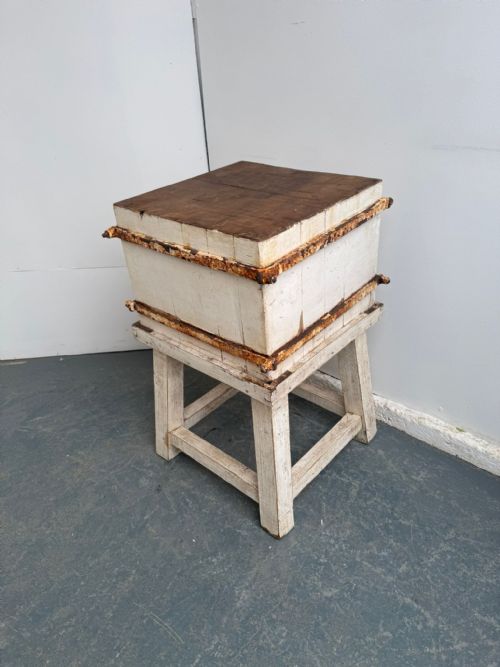
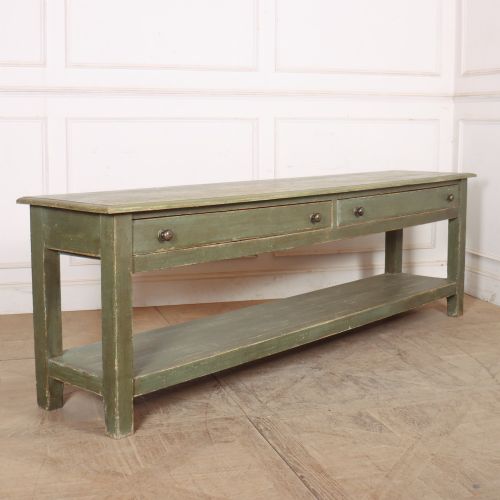
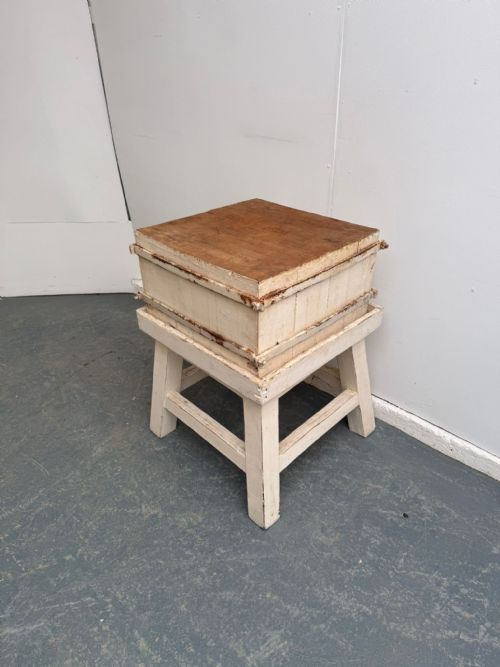
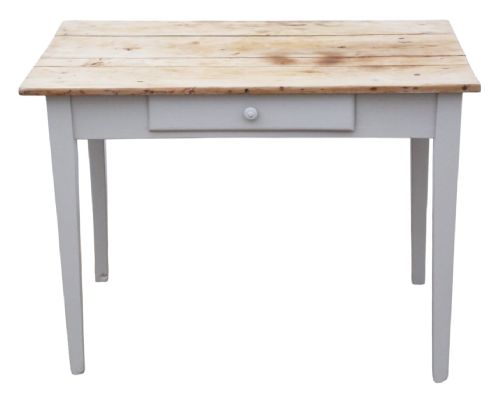
Most examples rely on generous timbers such as pine, oak, and beech, frequently retaining layers of old paint or scrubbed surfaces. Forms range from low pantry tables and serving tables to dresser bases and butchers blocks, reflecting practical work in dairies, kitchens, and taverns.
Materials and construction methods
Makers utilised heavy domestic woods like pine, oak, beech, and fruitwood to build frames capable of withstanding daily chopping, kneading, and serving. Joints were pegged or mortised for strength, while secondary timbers such as sycamore or poplar appear in supporting structures.
Surfaces often show the evidence of hand scrubbing, historic tool marks, and accumulated layers of old paint or milk paint applied over generations of use. Iron and brass hardware occasionally reinforce corners, legs, and stretchers on industrial or tavern variants.
Several tables arrive with multiple layers of old paint, telling the colourful story of decades spent in busy kitchens.
Evaluating construction and character
Quality rests in the integrity of the timber framing and the honesty of the surface wear rather than smooth perfection. A well-proportioned base retains its original height, sturdy stretchers, and sound joinery without excessive timber replacement.
The appeal of the paint finish or the depth of the scrubbed grain distinguishes ordinary examples from those carrying rich tactile history. Alterations to feet or legs affect proportion, whereas untouched patination elevates the piece.
The Rustic Prep Table Base Glossary
- Potboard
- A lower slatted shelf fitted between the legs of a serving table or dresser base for storing heavy crockery and pots.
- Scrub-top
- A wooden surface washed repeatedly with water and sand to keep it hygienic, resulting in a pale, textured grain.
- Trestle table
- A heavy board supported by upright legs connected to a central horizontal beam or stretcher.
- Cleated ends
- Wooden battens fixed across the grain at the ends of a tabletop to prevent warping and movement.
Rustic Prep Table Base: Frequently Asked Questions
What is a prep table base used for?
These frames served as sturdy work surfaces for food preparation in kitchens, dairies, and taverns. They held heavy loads for chopping, serving, and baking.
Today, they provide structural foundations for bespoke kitchen islands or side tables in domestic interiors.
How do I clean old painted timber?
Dust gently with a dry or slightly damp cloth to preserve fragile historic paint layers. Avoid harsh chemical solvents that strip aged surfaces.
Wax can protect bare pine or oak frames without altering the original patinated finish.
Are these bases structurally sound?
Most frames are built from heavy hardwoods designed for demanding daily labour. Joints are typically pegged and reinforced with thick stretchers.
Some movement or historic timber shrinkage is normal in nineteenth-century utility furniture.
How do I date a kitchen table base?
Examine the wood species, tool marks left by saws, and the construction methods used in the frame. Hand-planed surfaces and pegged joints generally point to the eighteenth or nineteenth century.
Layers of old paint or surface wear also provide clues to the age and working history of the piece.