
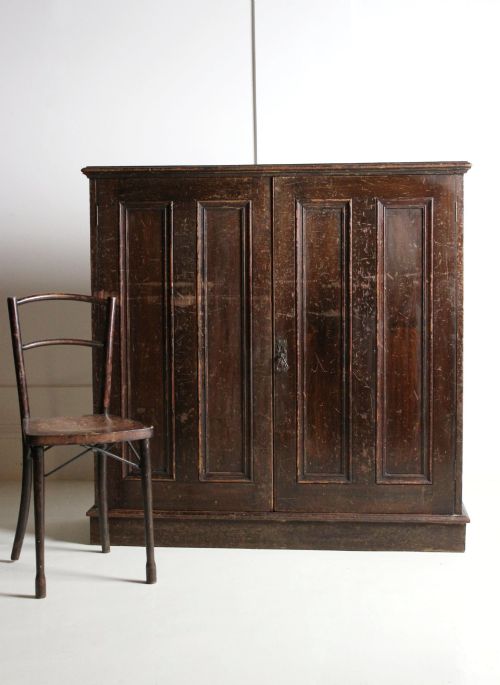
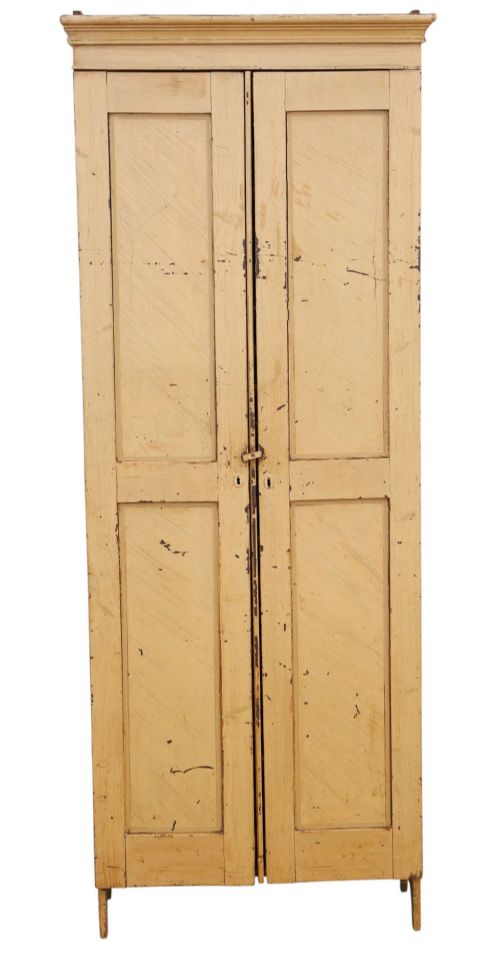
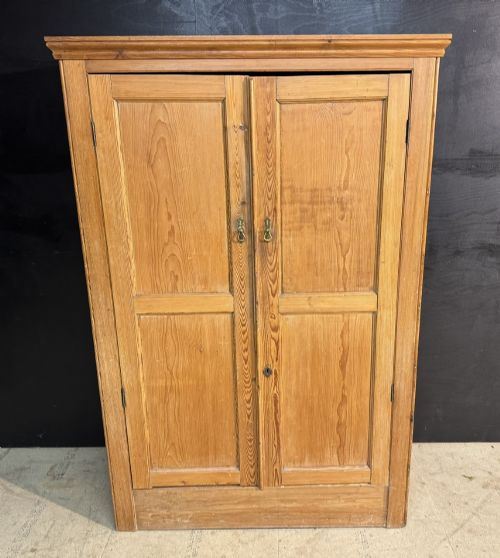
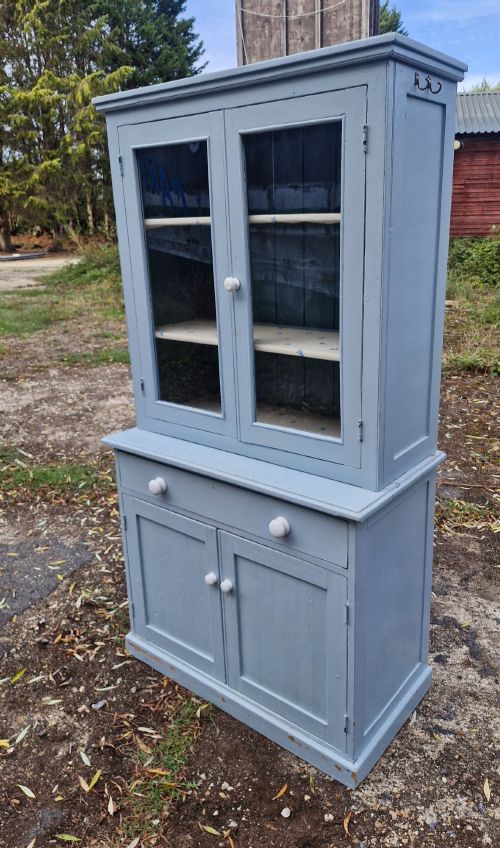

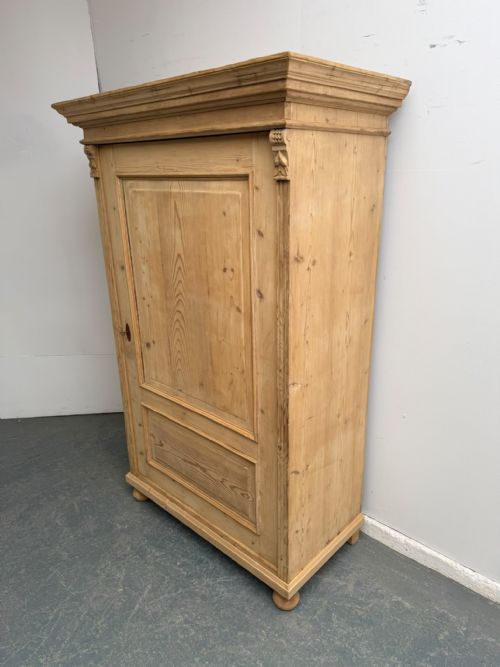
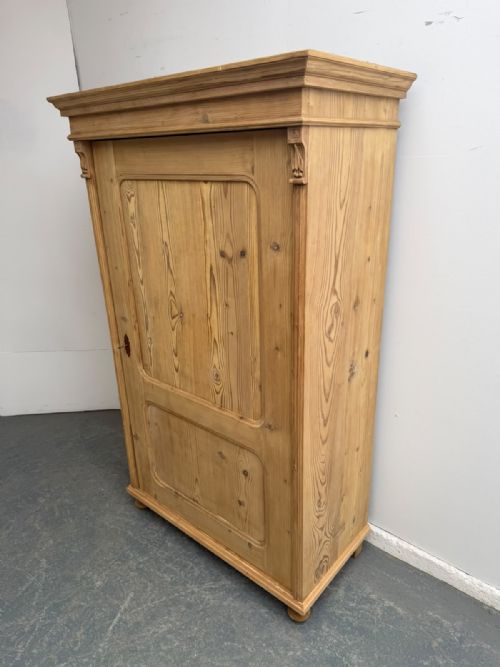
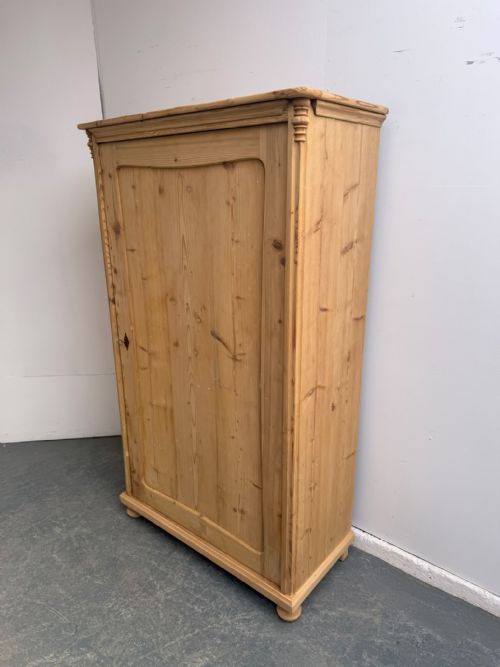
Rustic Pine Pantry Cupboard
A rustic pine pantry cupboard brings honest utility and vernacular warmth to a modern kitchen, offering generous storage rooted in centuries of domestic life.
Rustic Pine Pantry Cupboard
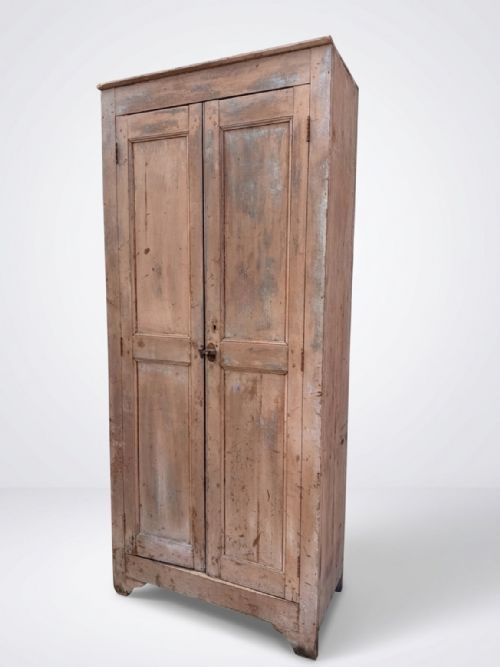
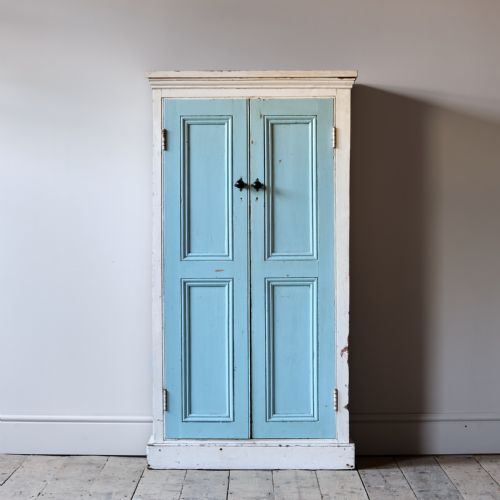
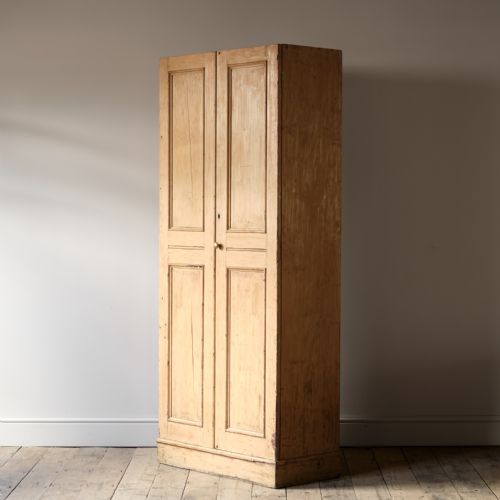
A rustic pine pantry cupboard is a sturdy storage piece designed for provisions, linen, and kitchenware, spanning humble domestic use to grander country houses. The pieces on this page are predominantly Victorian and nineteenth century examples, with older Georgian and eighteenth century origins also appearing alongside twentieth century variants.
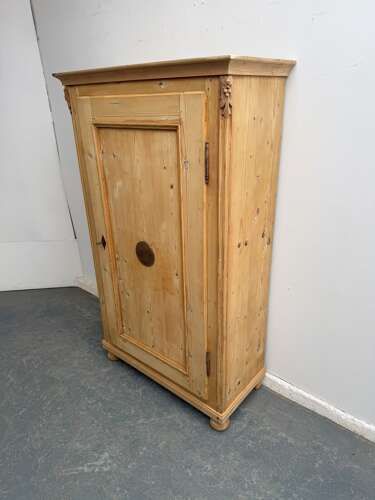
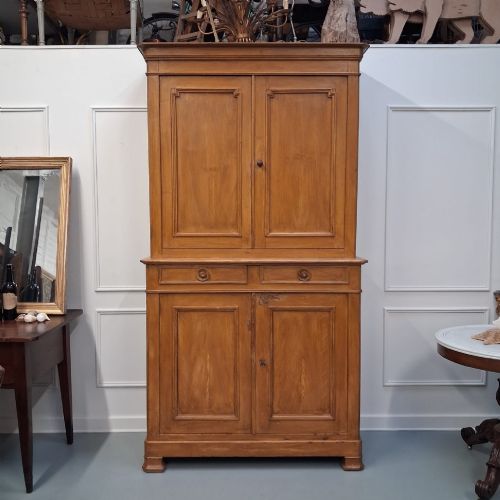
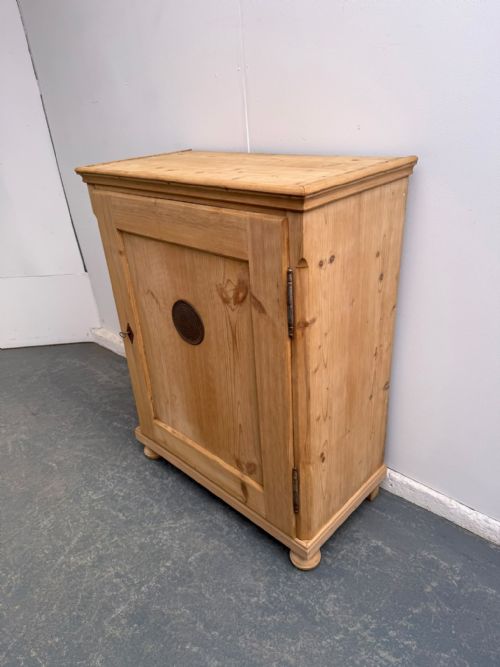
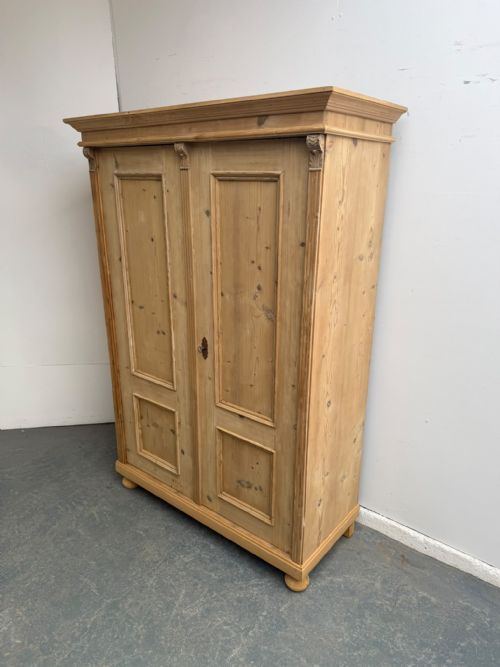
Forms vary widely from tall narrow housekeepers cupboards and two-part kitchen cupboards to single door vented cabinets and wide storage units. Buyers encounter provincial French, Scandinavian, and British country styles, ranging from simple workshop builds to more finished farmhouse designs.
Origins include Yorkshire, France, and the Baltic region, reflecting a widespread European tradition of utilitarian softwood furniture. These cupboards often serve as larder cupboards, bread and cheese cupboards, or general kitchen storage.
How they were made
Makers constructed these cupboards primarily from solid pine, often utilising pegged joints and panelled construction to accommodate the natural movement of softwood. Iron and brass hardware, including hinges and latches, secure the doors and drawers while providing structural durability.
Surface finishes range from unpainted waxed timber and stained pine to layered paint schemes such as scumble paint, cream paint, and original coloured finishes. Vented doors often incorporate pierced metal or fabric panels to allow air circulation for food storage.
Rustic Pine Pantry Cupboard Retail Price Guide 2026
Typical asking prices for rustic pine pantry cupboard among the pieces listed under this phrase on Sellingantiques today, from the lower quarter to the upper quarter. They describe what is for sale here now, not the wider market.
Listings feature pine cupboards spanning from the 18th century through the Edwardian period, incorporating iron, brass, and painted finishes.
What varies in quality
Quality in a rustic pine pantry cupboard rests in the integrity of the original timber and the survival of early or untouched surface finishes. Pieces retaining original paint or scumble work command greater interest than those stripped down to raw wood.
Proportion and scale dictate the success of the piece, with well-balanced door configurations, original brass or iron fittings, and sound structural joinery separating everyday utility items from finer vernacular examples.
The Rustic Pine Pantry Cupboard Glossary
- Housekeeper's cupboard
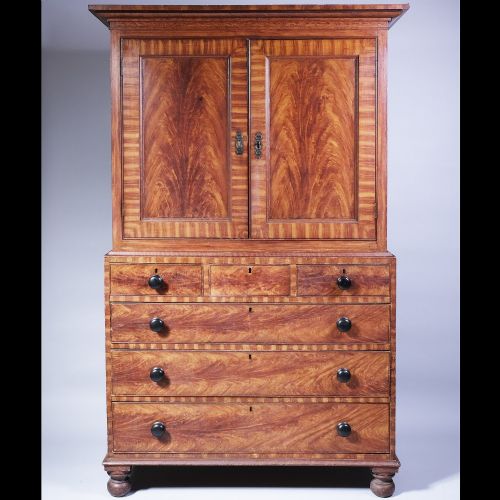
- A large storage cabinet traditionally used for housing household linens, dry goods, and tableware. These often feature upper shelving sections above lower banks of drawers or cupboards.
- Scumble paint
- A decorative surface technique involving translucent glaze dragged or brushed over a base coat to imitate finer grained woods. It creates a mottled, aged texture typical of nineteenth century country furniture.
- Fielded panel
- A wooden panel with bevelled edges designed to fit within a surrounding frame, allowing the wood to expand and contract safely. This technique adds depth and structural stability to cupboard doors.
- Vented cupboard
- A storage cabinet featuring pierced panels, mesh, or slatted openings in the doors to promote airflow. These were essential for keeping food stores cool and ventilated before mechanical refrigeration.
- Bread and cheese cupboard
- A regional vernacular storage piece historically used for preserving dairy and bakery items. They often incorporate ventilated doors to keep perishable rations fresh.
Rustic Pine Pantry Cupboard: Frequently Asked Questions
How were housekeepers cupboards used?
Housekeepers cupboards served as the central storage hub for large homes, housing everything from fine linens to bulk provisions.
The upper sections typically held shelves for display or storage, while the lower compartments and drawers accommodated heavier items.
How do I care for a painted pine cupboard?
Care for painted pine involves dusting with a dry cloth and avoiding harsh chemical cleaners that might degrade older surface layers.
Keep the timber away from direct heat sources and dramatic humidity shifts to prevent the pine from warping or splitting.
How can I tell the age of a pine cupboard?
Dating relies on examining construction methods, tool marks, hardware types, and the composition of any paint or wax layers.
Hand-cut nails, pegged joinery, and timber shrinkage patterns generally indicate earlier nineteenth or eighteenth century origins.