



Rustic Pine Hall Furniture
Rustic pine hall furniture brings practical utility and honest country character to an entranceway through benches, settles, and tables.
Rustic Pine Hall Furniture
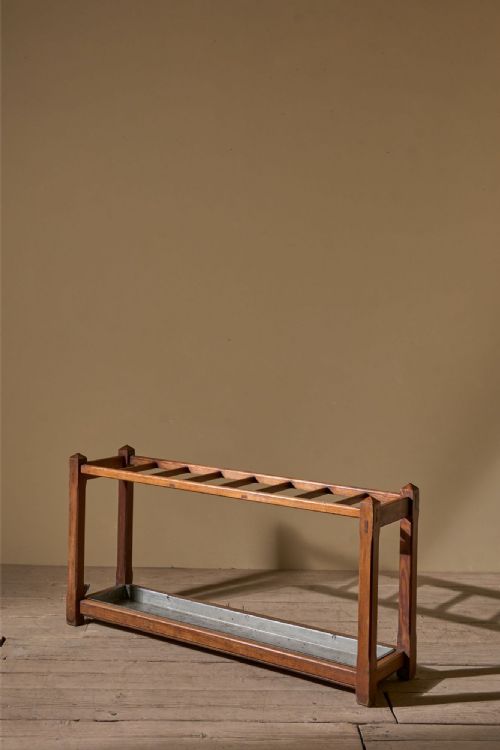
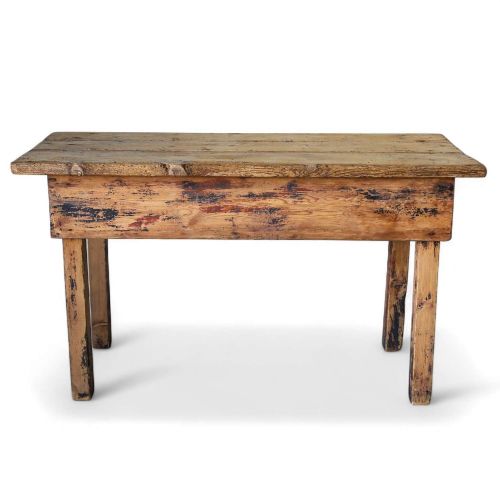
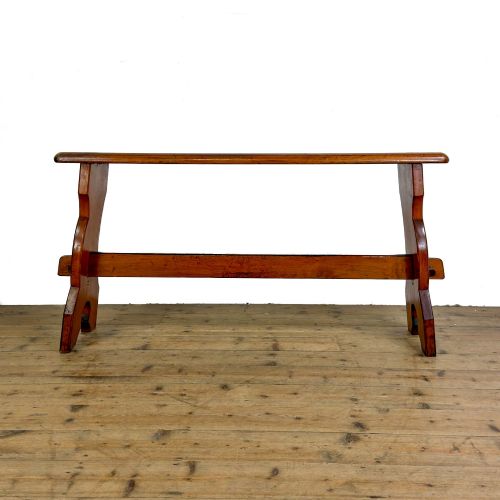
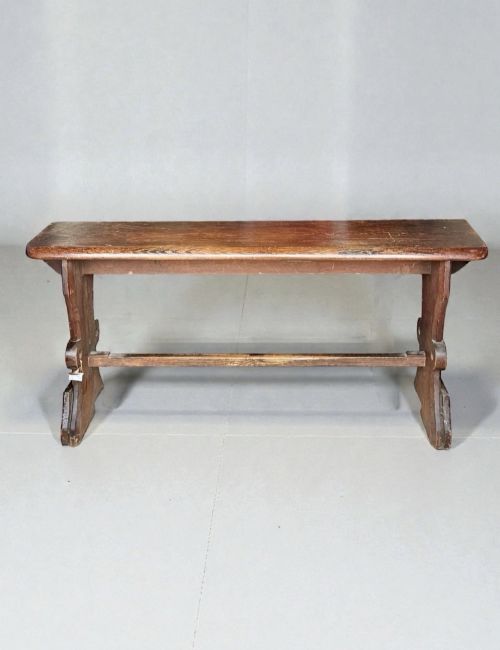
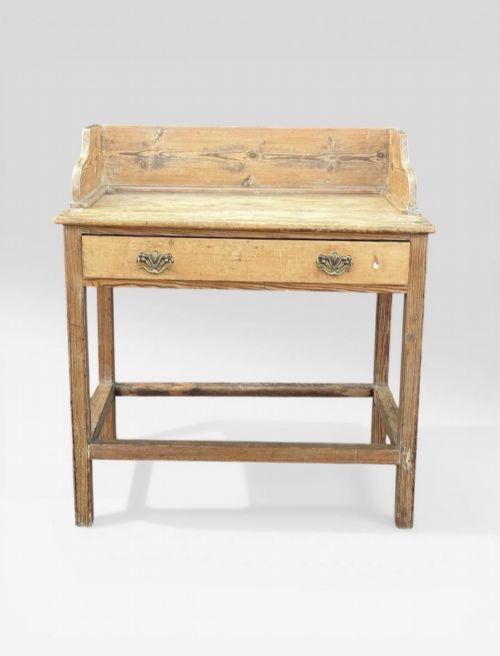
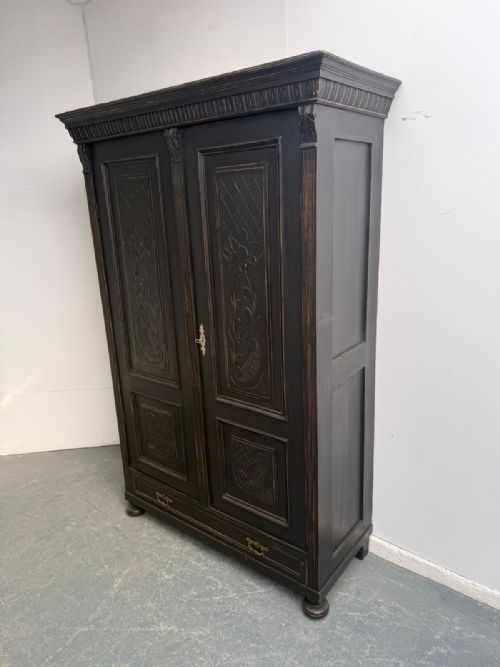
When you search for rustic pine hall furniture, you encounter sturdy pieces designed for entrances and passages, spanning the eighteenth, nineteenth, and early twentieth centuries. These functional items include settles, benches, washstands, side tables, and wardrobes originating from British, Spanish, Austrian, and Hungarian traditions.
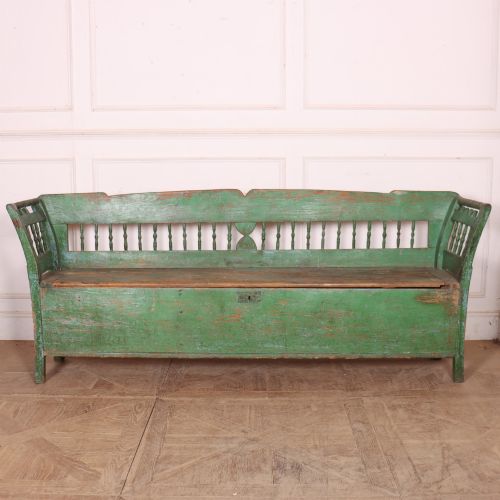
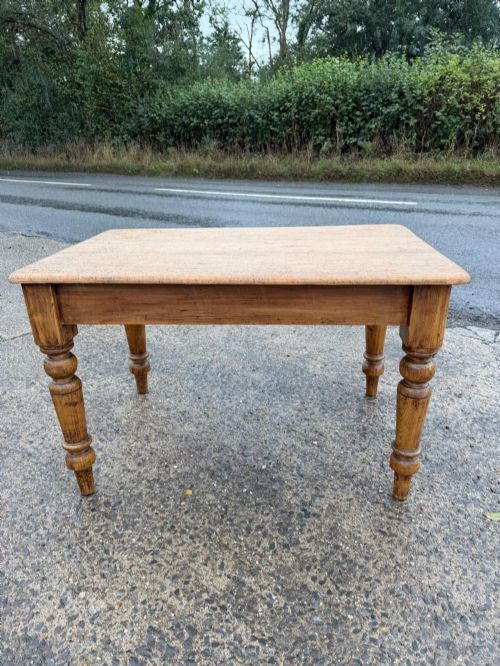
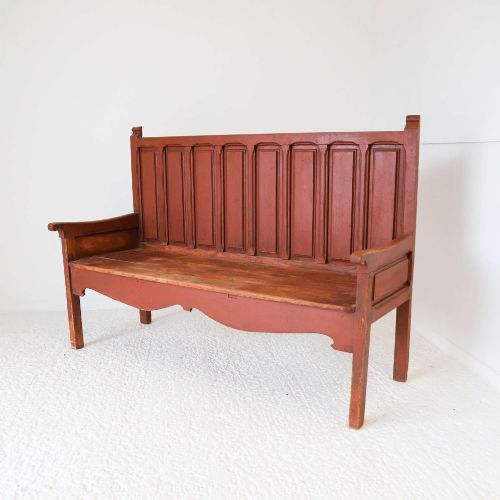
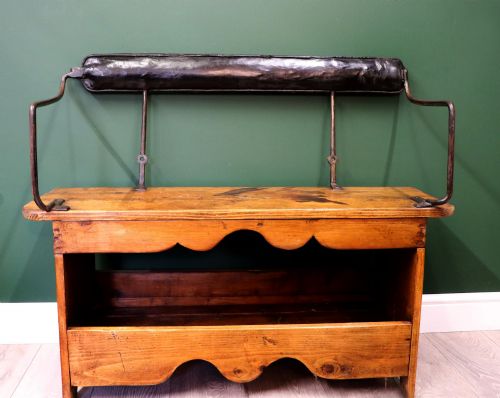
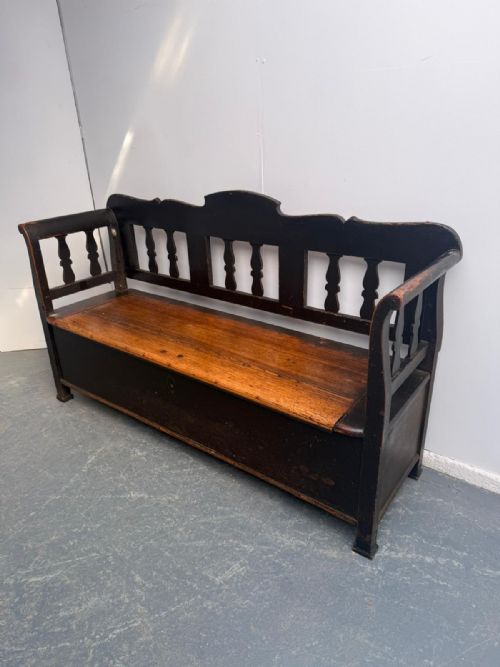
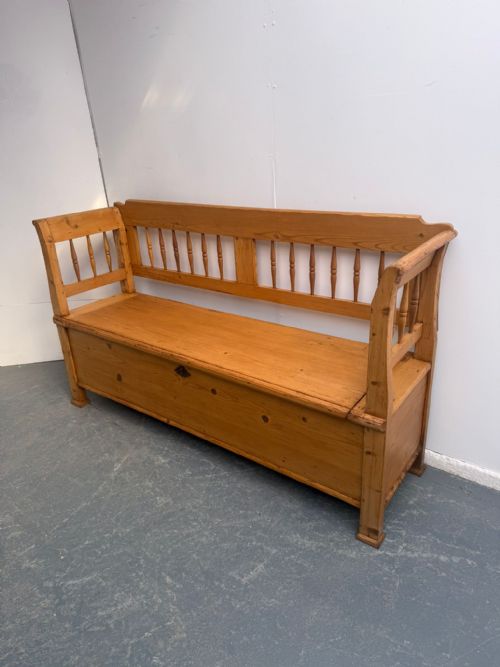
The most common forms on this page are multi-seater settles and benches, often featuring box seats or spindle backs, alongside utility tables and washstands. These objects reflect domestic and farmhouse use across diverse European regions, utilising local softwoods and straightforward construction methods.
How they were made
Construction relies primarily on pine and pitch pine timbers, sometimes paired with oak elements, assembled with plank-and-joint techniques suited to heavy daily use. Iron and brass hardware such as hinges and drawer pulls provide structural reinforcement and functional movement on storage pieces.
Surfaces display either a wax finish that highlights the natural grain of the wood or layers of original paint in black, grey, blue, cream, and green. Folk art details such as canopies, spindled galleries, and carved panels appear on regional settles and benches.
Listings feature pine alongside pitch pine, iron, brass, paint, and leather across pieces dated from the eighteenth to the twentieth century.
What varies in quality
Quality in these pieces depends on the integrity of the original construction and the survival of early or untouched surface treatments. Items retaining their original painted finishes or honest wax patination stand apart from those stripped or heavily altered over time.
Proportion and regional character also dictate distinction, with bespoke country work, early vernacular joinery, and unusual forms like canopied settles or church organist benches representing the stronger examples of the genre.
The Rustic Pine Hall Furniture Glossary
- Settle
- A wooden bench with a high back, solid arms, and often a box compartment beneath the seat for storage. It historically served to block draughts in hallways and kitchens.
- Pitch pine
- A dense, resinous variety of pine timber valued for its durability and strong grain pattern. It frequently appears in nineteenth-century utilitarian and institutional seating.
- Folk art
- Decorative and utilitarian objects made within a traditional cultural tradition, often featuring hand-applied paint or idiosyncratic carving. It reflects regional craftsmanship rather than academic design.
- Washstand
- A small table or cabinet designed to hold a basin and jug for personal washing. They often include low splashbacks and single drawers for storage.
- Box settle
- A form of seating featuring a hinged lid on the bench base that opens to a storage well. This dual-purpose design maximised space in traditional hallways.
Rustic Pine Hall Furniture: Frequently Asked Questions
What is a settle bench?
A settle bench is a wooden seat featuring a high back and solid arms designed to shield occupants from draughts in corridors and living spaces. Many versions incorporate a box base for storing household items.
These pieces formed a central part of traditional hallway and farmhouse furnishing across Britain and Europe.
How do I identify pitch pine?
Pitch pine is distinguished by its heavy weight, high resin content, and prominent, highly figured growth rings. It was widely used during the nineteenth century for robust furniture.
Over time, the wood deepens in tone while maintaining a distinct striped grain pattern.
Were these pieces originally painted?
Many regional items, particularly from European folk traditions, were finished with layers of paint in colours such as black, grey, blue, and green. Other pieces were simply waxed to protect the softwood.
Original paint surfaces provide historical context and evidence of regional aesthetic preferences.
Where were these pieces used?
They served practical functions in domestic hallways, farmhouses, taverns, churches, and schools. Items like washstands and side tables accommodated daily washing and storage needs.
Their robust construction suited high-traffic areas where durability mattered most.