
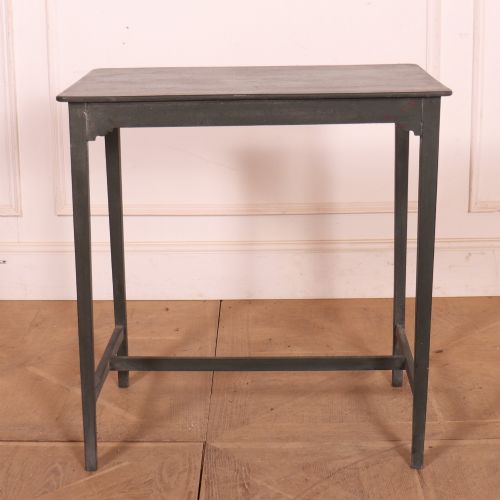


Rustic Oak Plant Stand
A rustic oak plant stand brings organic texture and solid timber grain into a room, offering a sturdy perch for ferns or pottery.
Rustic Oak Plant Stand
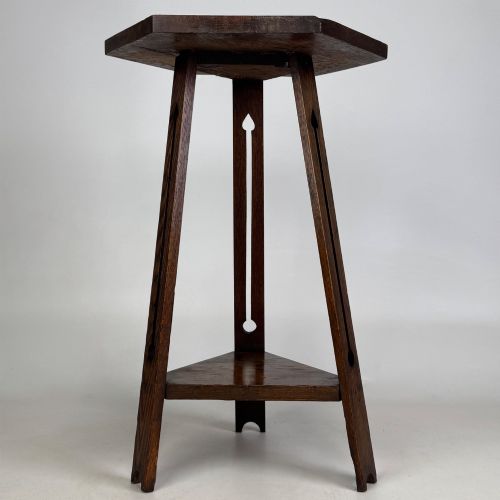
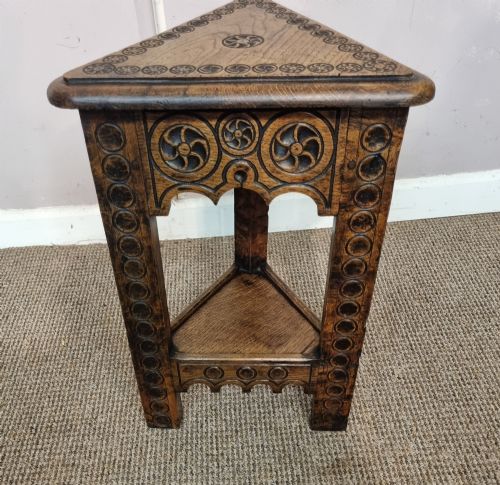
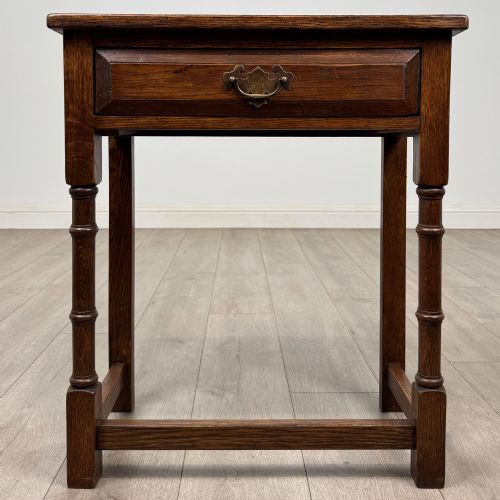
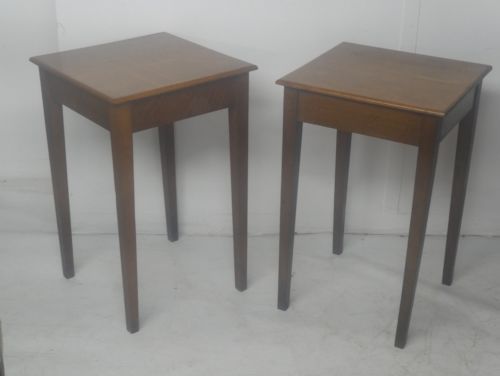
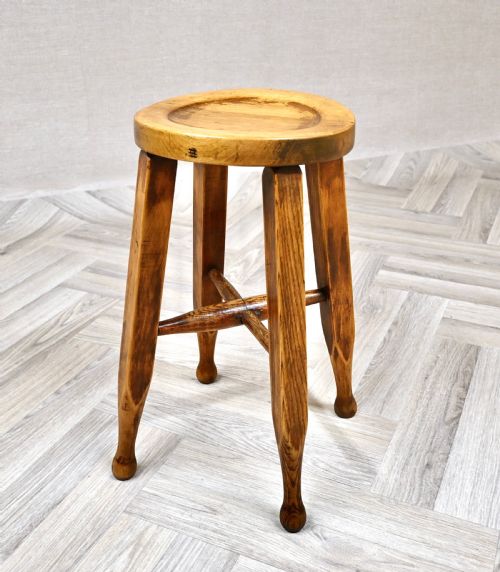
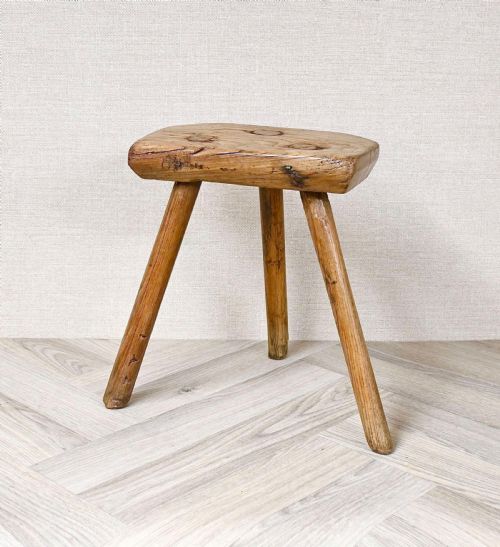
A rustic oak plant stand comprises small tables, pedestals, and stools utilised to display greenery and decorative objects within period interiors. The selections span eras from the eighteenth century through to the 1930s, encompassing country styles alongside Arts and Crafts and Gothic Revival movements.
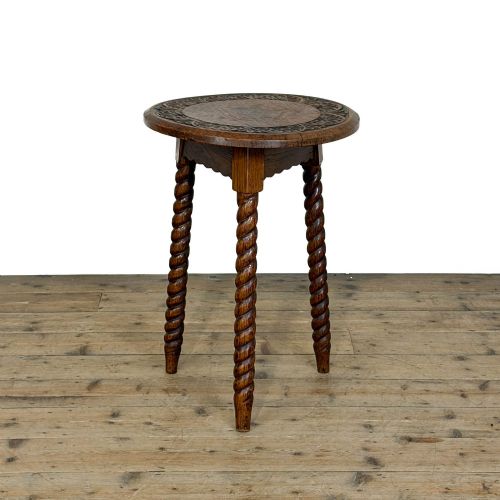
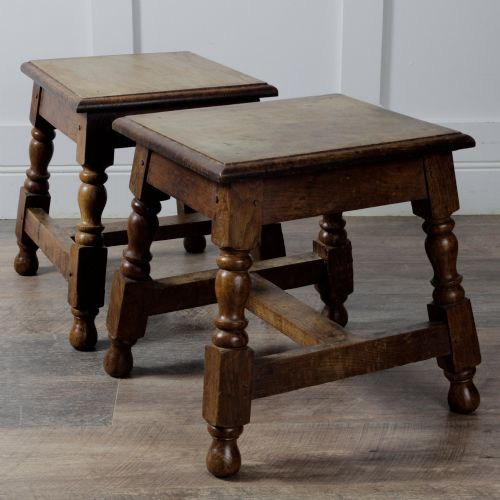
The versions most frequently encountered here utilise solid timber, painted oak, or twig wood formed into tripod tables, low stools, and coopered jardiniere stands. These pieces function equally well as occasional tables or lamp tables while retaining their character as plant stands.
Construction and materials
Construction relies heavily on solid oak, hardwood, and regional timber, frequently shaped with turned legs, bobbin turnings, or organic branch forms. Carpenters employed traditional jointing methods alongside coopered stave construction for planters and heavier chopping blocks.
Surface finishes include natural wax polish, painted oak treatments, and pokerwork detailing that highlights the grain and rustic origins of the wood. Brass fittings occasionally appear on jardiniere stands to secure the coopered staves.
Listings feature oak, hardwood, and twig wood across periods spanning from the eighteenth century to the 1930s.
Assessing quality and craftsmanship
Quality separates pieces through the integrity of the timber selection and the precision of the joinery, whether dealing with a simple tripod table or a carved pedestal. Superior examples display thoughtful proportion, stable weight distribution, and honest wear that reflects genuine age rather than manufactured distress.
The distinction also lies in the character of the carving, turning, and surface patina, where hand-finished details and authentic country craftsmanship elevate a functional stand into a notable decorative object.
The Rustic Oak Plant Stand Glossary
- Coopered oak
- Construction method using tapered wooden staves bound together with hoops, typically utilised for jardiniere stands and planter tubs.
- Cricket table
- A small three-legged table with a round wooden top, valued for its stability on uneven floors.
- Jardiniere stand
- A tall pedestal or holder specifically designed to elevate potted plants and floral arrangements.
- Pokerwork
- A decorative technique using heated metal tools to burn designs into the surface of the timber.
- Bobbin turning
- A method of woodturning that produces a series of rounded spheres resembling bobbins along the length of a furniture leg.
Rustic Oak Plant Stand: Frequently Asked Questions
How are these stands used?
These pieces function primarily to elevate potted plants, ferns, and flower arrangements in living spaces and hallways.
Many of the smaller stool and table forms double as convenient lamp tables or occasional surfaces for books and ornaments.
What periods do they come from?
The selection spans from the eighteenth century through the Victorian era and into the early twentieth century.
Common design movements represented include Arts and Crafts, Gothic Revival, and various regional country styles.
Are these pieces made of solid wood?
The listings predominantly feature solid oak, hardwood, and regional timber construction rather than veneered substitutes.
Materials also incorporate specialised forms such as twig wood, painted oak, and coopered staves with brass elements.
How do I style a plant stand?
Pair the organic grain and weathered patina of the oak with trailing greenery or ceramic pots to create a natural focal point.
Position tripod tables and pedestals in corners, beside seating, or near windows to vary the height of interior displays.