


Rustic Oak Console
A rustic oak console brings immediate texture and grounded utility to a room through centuries of practical joinery.
Rustic Oak Console
When searching for a rustic oak console, a buyer encounters a utilitarian form that spans side tables, serving tables, and dresser bases. These items originate predominantly from periods including the eighteenth and nineteenth centuries, alongside early twentieth-century interpretations.
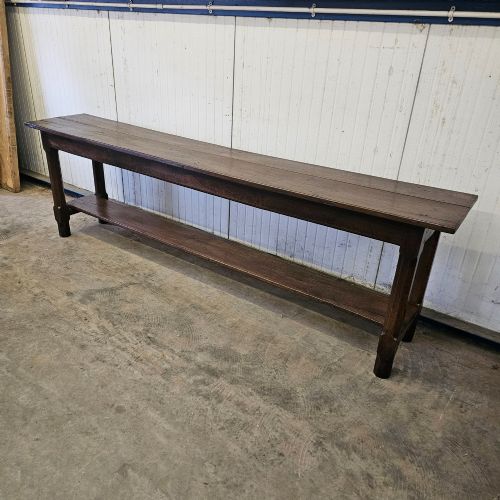
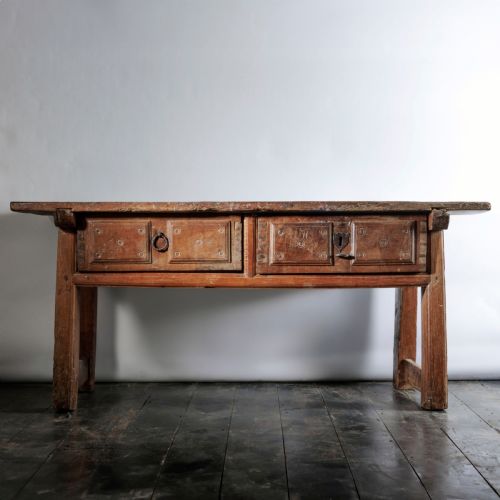
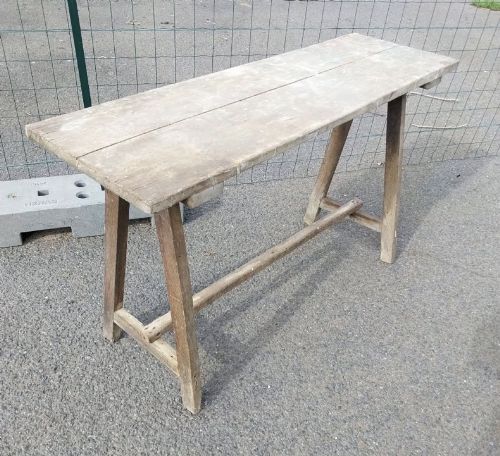
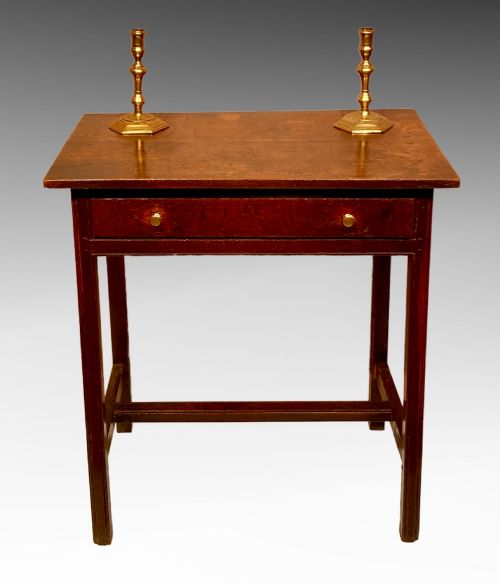
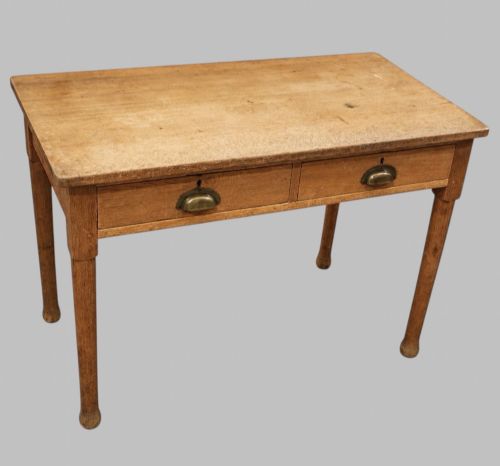
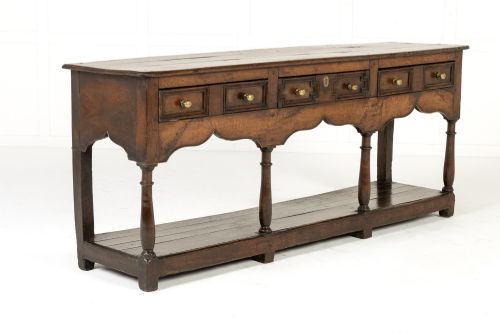
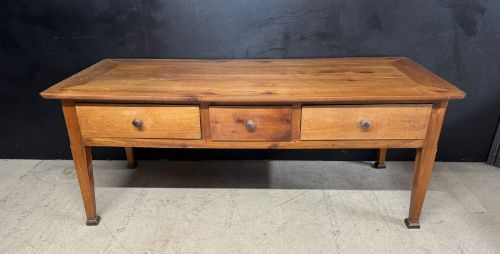
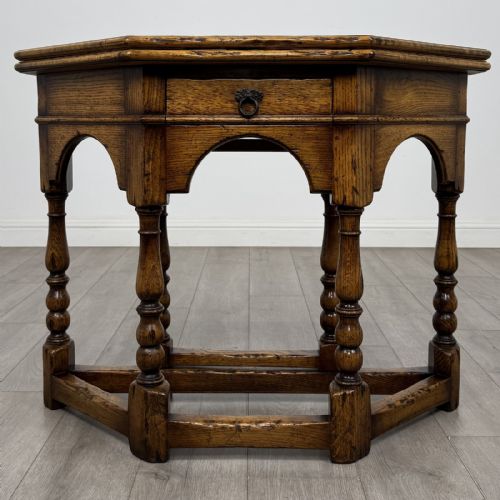
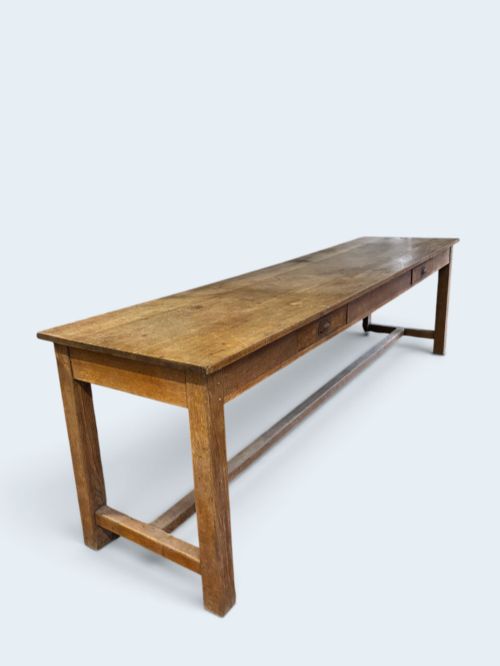
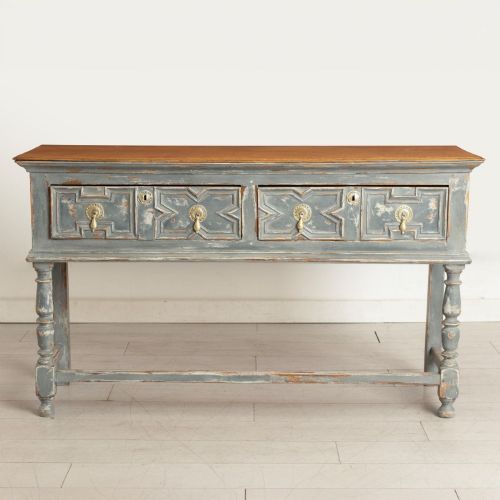
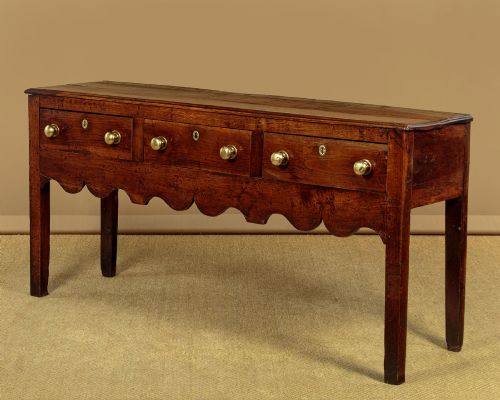
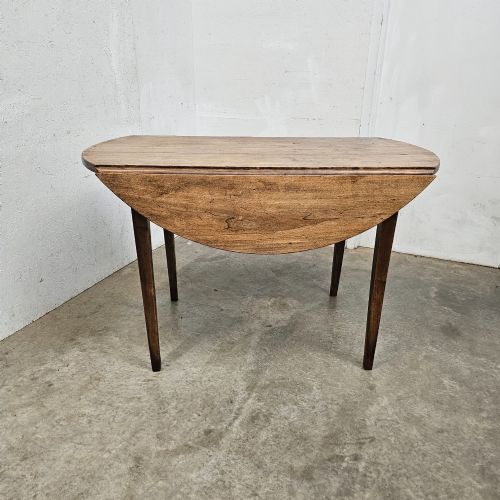
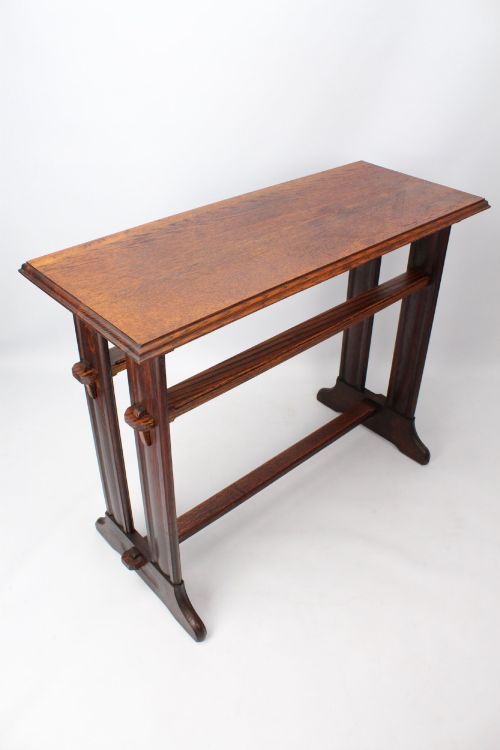
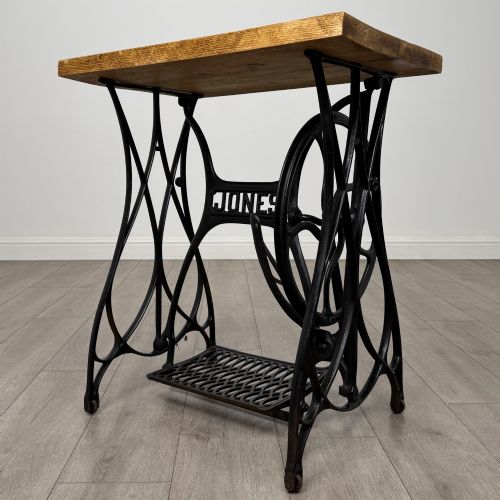
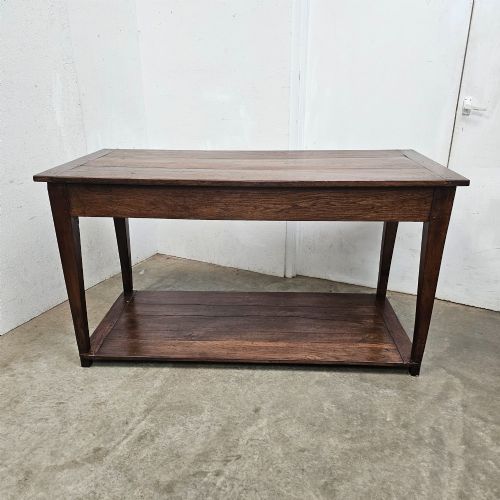
The pieces appearing on this page present various regional identities, including English, Welsh, French, and Spanish examples. Forms range from simple side tables and drop-leaf dining pieces to potboard dresser bases and industrial iron-supported work tables.
Most selections feature solid oak construction, sometimes complemented by painted finishes or contrasting iron and brass hardware. Buyers will find that the physical character relies heavily on the visible grain and honest construction of timber.
Evaluating quality and character
Distinctions in the range depend on the integrity of the timber and the depth of natural patina accumulated over time. Pieces retaining their original surface treatments and uncompromised structural joints stand apart from heavily altered examples.
The harmony of proportions and the subtlety of hand-carved or turned details elevate specific items. Regional characteristics, such as the distinctive layout of a Welsh dresser base or a French serving table, also influence the visual weight of the piece.
Rustic Oak Console Retail Price Guide 2026
Typical asking prices for rustic oak console among the pieces listed under this phrase on Sellingantiques today, from the lower quarter to the upper quarter. They describe what is for sale here now, not the wider market.
Listings span the eighteenth, nineteenth, and early twentieth centuries, featuring materials such as oak, brass, iron, and paint.
The Rustic Oak Console Glossary
- Potboard
- An open lower shelf fitted to a dresser base used originally for storing pots and pans. This lower tier provides structural stability to the legs.
- Dresser base
- A low cabinet or table featuring drawers and sometimes a potboard, used for food preparation and storage. They form a substantial category within country furniture.
- Drop-leaf
- A table top with hinged flaps on one or both sides that fold down to save space. These folding sections are supported by swing legs or brackets.
- Patina
- The surface sheen and colour developed by wood and paint through age, use, and waxing. This quality indicates the length of time an object has existed.
- Side table
- A small table placed against a wall, primarily used for display or serving. They appear frequently in various regional styles across the centuries.
Rustic Oak Console: Frequently Asked Questions
What is a rustic oak console used for?
These tables function as practical surface areas in hallways, living rooms, and dining spaces. Their sturdy construction suits them for holding lamps, books, and serving items.
Historically, many of these forms originated as work tables, dresser bases, or serving pieces. Today, they serve a similar utility while adding historical character to modern interiors.
How can I tell an older oak table apart?
Age is identified through construction methods, tool marks left on the timber, and the natural wear of the wood. Eighteenth and nineteenth-century pieces often display hand-cut joinery and deep patination.
Later revivals from the twentieth century typically show different interior secondary woods and more uniform machine processing. Examining the underside and drawer linings clarifies the period of manufacture.
Are these tables made of solid oak?
The listings feature solid oak alongside general timber and painted surfaces. Many examples rely entirely on heavy oak boards for their tops, frames, and legs.
Some regional variants incorporate secondary woods or elm, particularly in older country pieces. Iron and brass components appear in hardware, hinges, and industrial bases.
How do I care for antique oak furniture?
Maintenance requires keeping the timber away from direct heat sources and sudden humidity changes. Regular dusting with a dry cloth preserves the finish without harming the wood.
Occasional application of traditional beeswax helps nourish the surface and maintain the natural sheen. Avoid harsh chemical cleaners that strip the historic patina.