
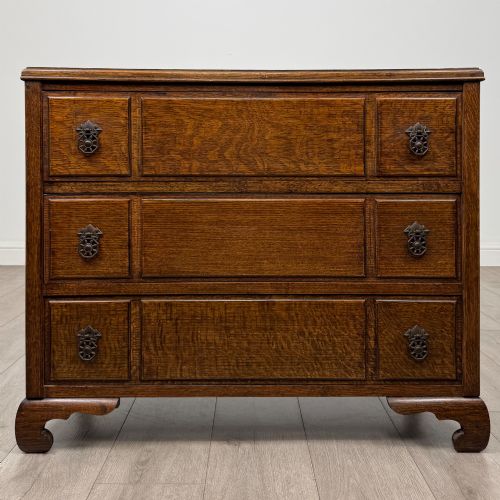
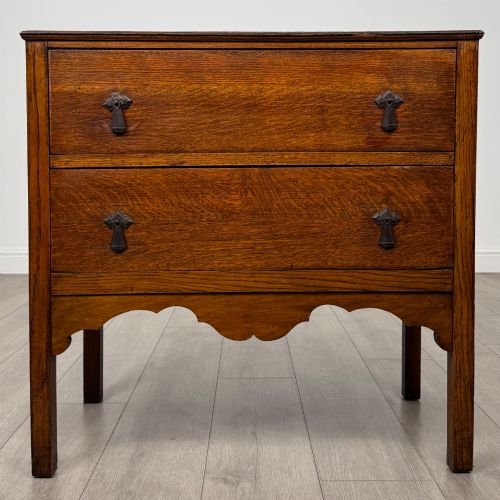
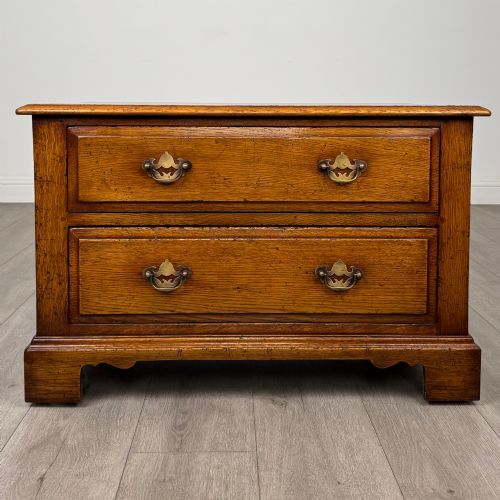
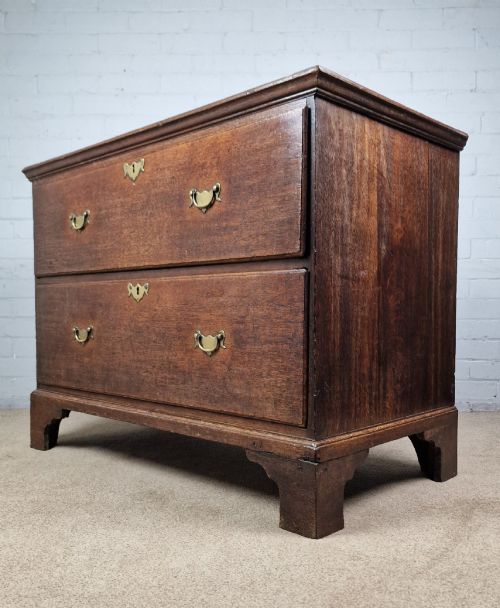


Rustic Oak Commode
A rustic oak commode brings robust character and honest vernacular craft to a room, offering sturdy storage rooted in centuries of traditional woodworking.
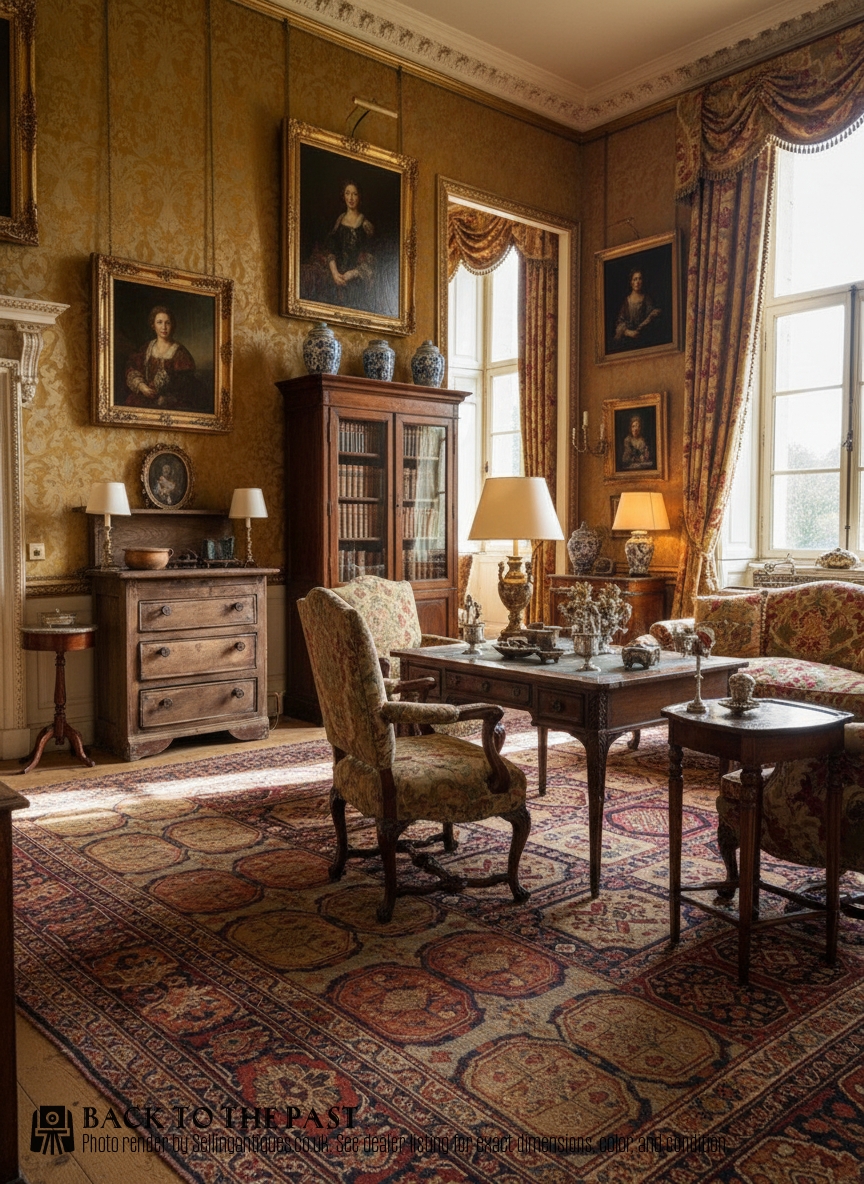
Rustic Oak Commode
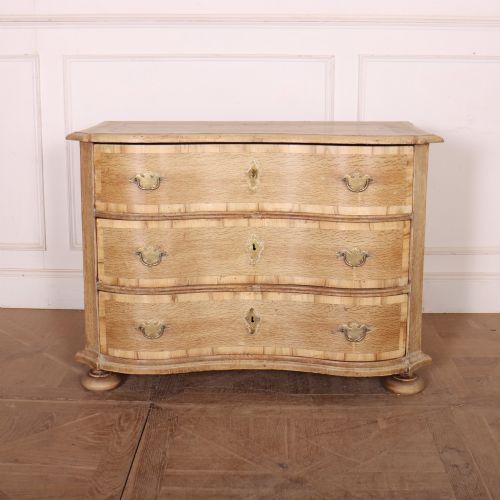
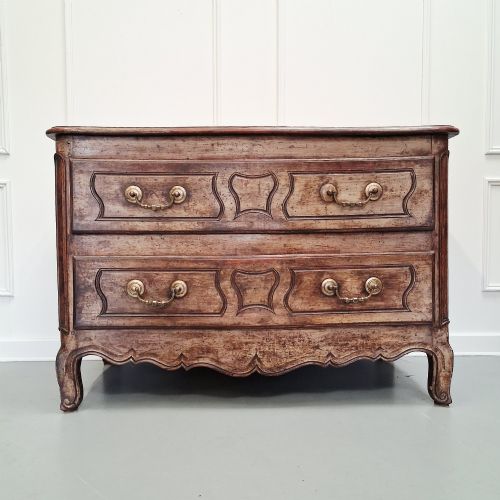
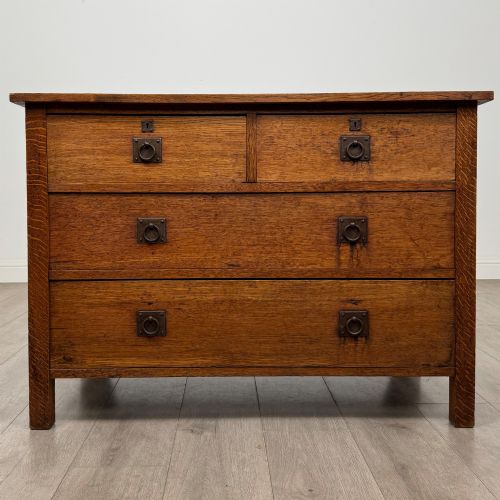
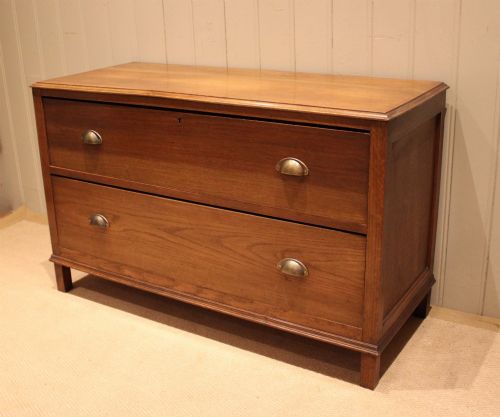
A rustic oak commode encompasses utilitarian chests of drawers, French Provincial case pieces, and early country close stools spanning from the seventeen hundreds through the early twentieth century. Buyers encounter everything from large Spanish and Austrian examples to compact Edwardian scrubbed oak drawer units and seventeenth-century forms.
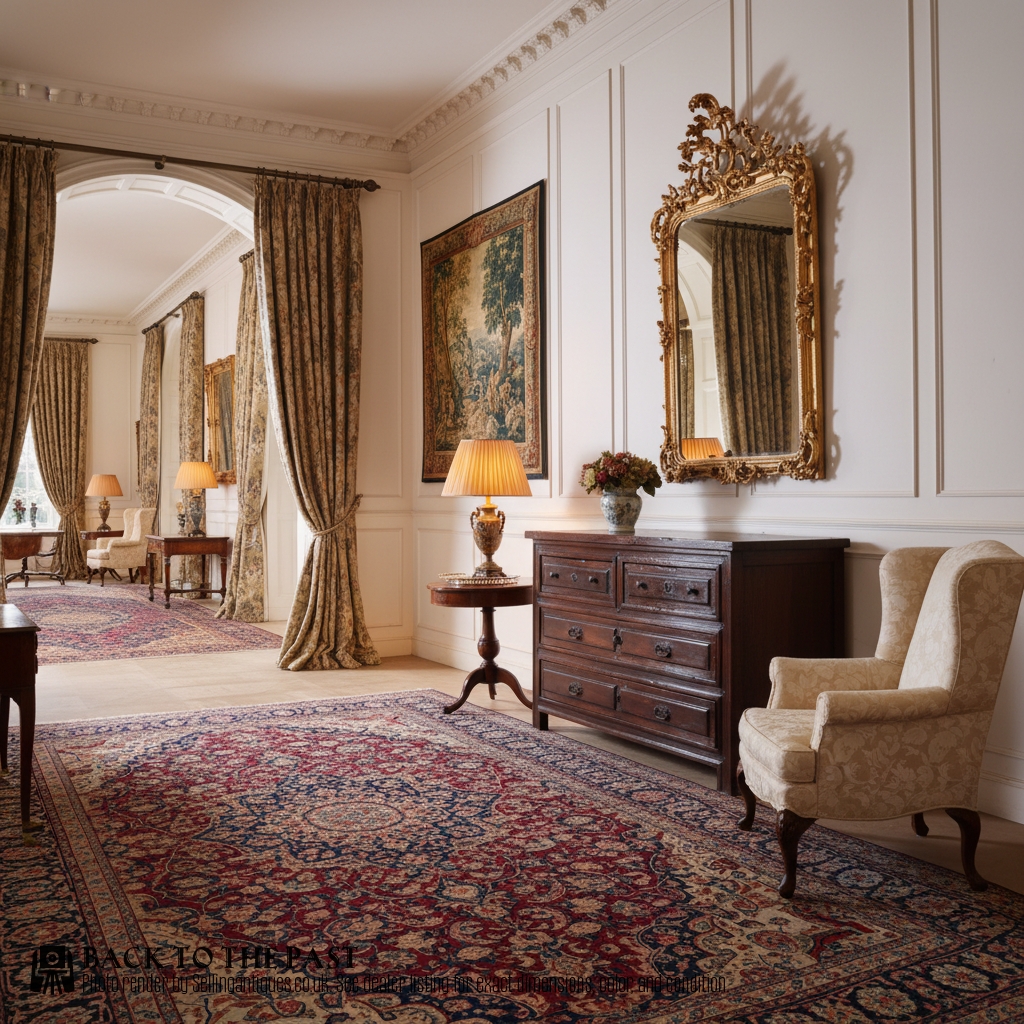
How they were made
Makers utilised solid oak timber combined with functional iron and brass hardware, creating robust joints designed for decades of daily service. Surfaces often display natural grain patterns, scrubbed finishes, or bleached treatments depending on regional workshop traditions.
Construction relies on traditional joinery methods suited to heavy country timber, yielding durable frames that withstand generational wear. Glass and marble elements appear alongside timber on specific regional iterations like vitrine hybrids.
The listings span multiple centuries, ranging from seventeenth-century origins through Georgian, Arts and Crafts, and Edwardian periods.
What varies in quality
The standard of construction depends upon the selection of timber and the integrity of the original regional joinery. Superior examples maintain uncompromised structural timber and authentic period hardware rather than later replacements.
Proportion and surface finish dictate distinction among country pieces, where untouched scrubbed or bleached patinas hold greater visual coherence. The sophistication of provincial carving and drawer construction separates standard utility items from finer workshop output.
The Rustic Oak Commode Glossary
- Commode
- A low chest of drawers or cabinet originating in continental Europe, frequently utilised for bedside or principal chamber storage.
- Bleached Oak
- Timber treated to lighten its natural tone, commonly found on continental European case pieces to soften heavy grain.
- Close Stool
- An early form of enclosed box furniture containing a seat, predating modern indoor sanitary arrangements.
- Scrubbed Oak
- Wood surfaces cleaned repeatedly with water and abrasive brushes, leaving a pale, matte texture typical of utilitarian furniture.
Rustic Oak Commode: Frequently Asked Questions
How do I clean a rustic oak commode?
Dust surfaces regularly with a dry, soft cloth to prevent particulate accumulation within the grain.
Avoid modern liquid polishes that build up residue, opting instead for traditional beeswax applied sparingly when the timber appears dry.
Where should I place a commode?
These versatile pieces suit hallways, living spaces, and bedrooms where sturdy surface area and enclosed drawer storage are needed.
Keep them away from direct heat sources and strong sunlight to protect the historic timber from warping or splitting.
Are these pieces original?
The inventory spans authentic periods from the seventeen hundreds through early twentieth-century revival styles.
Examination of the timber, interior drawer construction, and hardware helps determine the precise period of manufacture.
How do I date an oak commode?
Inspect the drawer linings, backboards, and tool marks left by historical saws and planes during construction.
Stylistic details such as brass batwing handles, pegged joints, and regional moulding profiles also point towards specific eras.