



Rustic Oak Clothes Cupboard
A rustic oak clothes cupboard offers enduring utility and honest craftsmanship, grounding a room with centuries of tactile grain and sturdy joinery.
Rustic Oak Clothes Cupboard
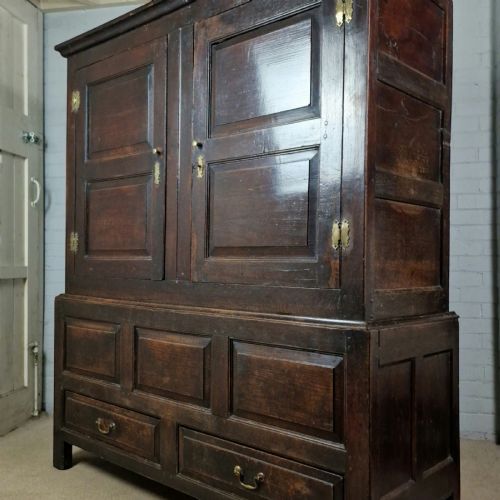
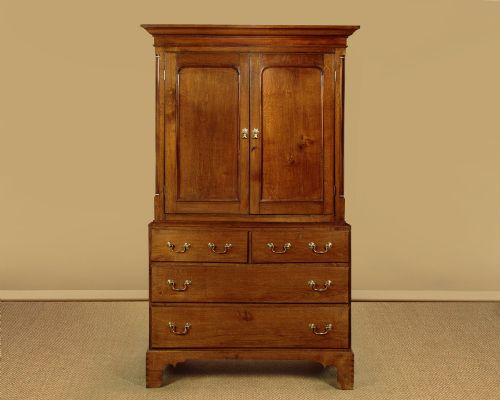
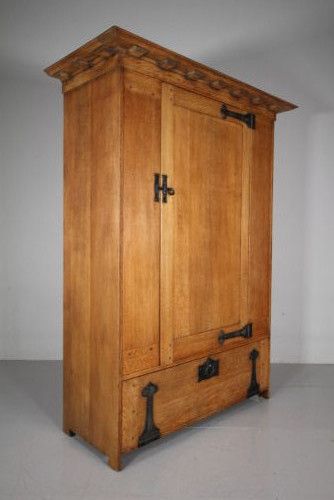
A rustic oak clothes cupboard provides traditional storage through sturdy timber construction, appearing in forms such as linen presses, hanging cupboards, and armoires. These pieces originate from regional traditions spanning the eighteenth and nineteenth centuries, taking shape across English, Welsh, and French provincial workshops.
Buyers are most likely to encounter eighteenth-century Georgian designs and nineteenth-century vernacular pieces on this page. These examples range from regional Welsh hanging cupboards to flat pack French armoires made of solid oak.
The practical function remains simple, designed to store garments and household textiles behind panelled doors. Each piece reflects the utilitarian needs of domestic life before the era of fitted furniture.
How they were made
Makers relied on solid oak planks, shaped and joined by hand to build robust carcases that withstood daily use. Surfaces often show the natural characteristics of the timber, worked with traditional hand tools rather than industrial machinery.
Hardware such as hinges and escutcheons typically consist of brass or wrought iron, secured by hand. Structural reinforcement occasionally includes secondary timbers like pine, particularly in internal elements or regional variants.
Rustic Oak Clothes Cupboard Retail Price Guide 2026
Typical asking prices for rustic oak clothes cupboard among the pieces listed under this phrase on Sellingantiques today, from the lower quarter to the upper quarter. They describe what is for sale here now, not the wider market.
Listings span the eighteenth and nineteenth centuries, including Georgian and Victorian periods alongside Welsh vernacular and French provincial styles.
What varies in quality
Quality rests in the integrity of the timber selection and the precision of the joinery. Superior examples display thoughtful proportions and harmonious grain matching across the visible panels, whereas lesser pieces show hurried construction or heavy later alterations.
The preservation of original surface finishes, whether unpolished oak or historic paint, distinguishes untouched examples from those stripped or heavily restored in modern times.
Heals
The Rustic Oak Clothes Cupboard Glossary
- Livery cupboard
- A traditional storage furniture item originally used for food or clothing. These early cupboards often feature panelled doors and ventilation piercings.
- Press cupboard
- A dual-compartment storage piece, typically combining a linen press section with lower drawers or shelving. This form dates predominantly to the eighteenth and nineteenth centuries.
- Armoire
- A large freestanding wardrobe of continental origin, usually featuring heavy double doors. French provincial examples often utilise pegged frame and panel construction.
- Vernacular
- Furniture made by local craftsmen following regional traditions rather than metropolitan pattern books. These pieces prioritise practical utility and local material availability.
Rustic Oak Clothes Cupboard: Frequently Asked Questions
What is a rustic oak clothes cupboard?
A rustic oak clothes cupboard is a traditional freestanding storage piece made from solid timber, designed for garments and linens. These items encompass regional styles from the eighteenth and nineteenth centuries.
They reflect the utilitarian domestic requirements of rural households before modern wardrobes existed, built using durable joinery and local materials.
How do I date an oak cupboard?
Dating relies on examining construction methods, tool marks, ironmongery, and timber characteristics. Eighteenth-century pieces often feature hand- cleft panels and pegged joints.
Later nineteenth-century examples may incorporate machine-sawn elements or different secondary woods, helping to place the piece within a specific period.
Where were these cupboards made?
These cupboards originate from various regional workshops across Britain and continental Europe. Evidence points to distinct traditions in Wales, English counties, and French provinces.
Local timber availability and regional aesthetic preferences heavily influenced the specific form and decorative details of each piece.
How do I care for antique oak?
Antique oak benefits from stable indoor humidity and minimal exposure to direct sunlight or heat sources. These environmental controls prevent the timber from drying out or splitting.
Applying a traditional beeswax polish occasionally helps nourish the surface and maintain the natural lustre of the historic wood.