

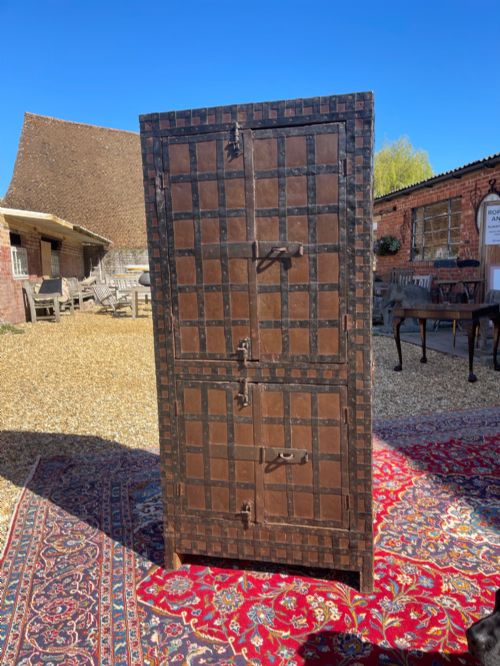


Rustic Metal Furniture
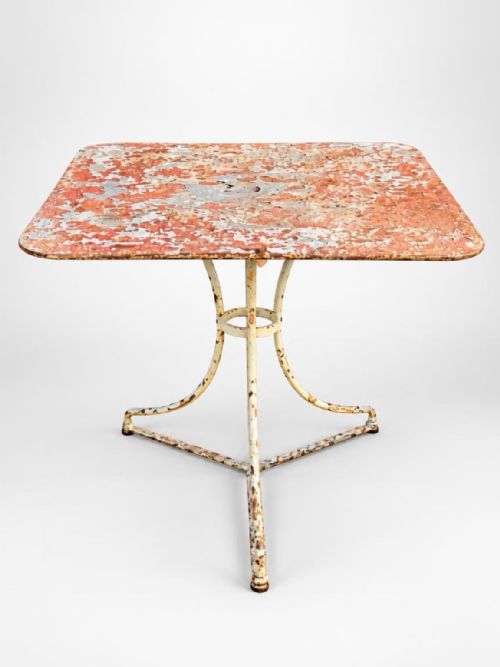
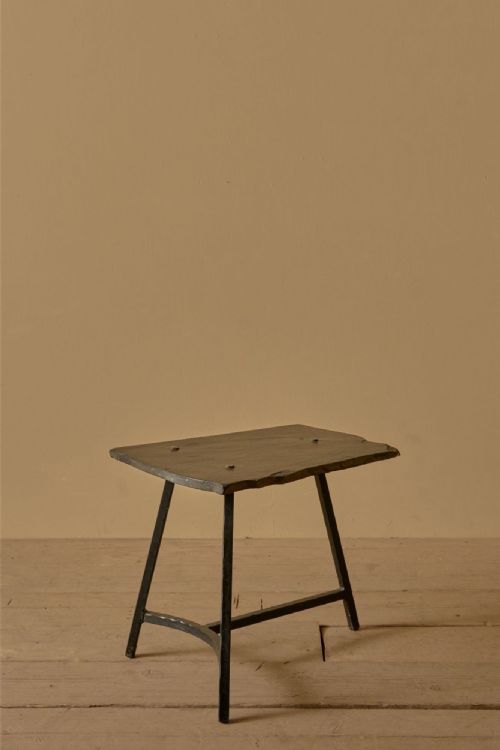
These rustic metal furniture pieces bring sturdy outdoor character and timeless utility to any garden or terrace.
Rustic Metal Furniture
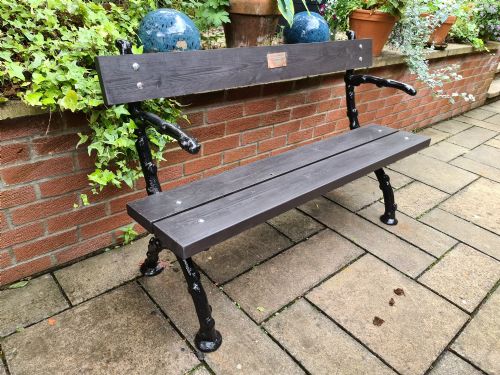
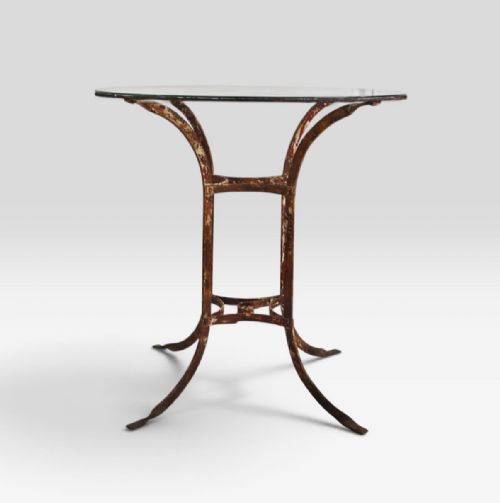
Rustic metal furniture encompasses utilitarian and decorative outdoor pieces designed for gardens, terraces, and country houses. When exploring rustic metal furniture, buyers encounter forms ranging from garden benches and dining sets to plant stands and bakers racks.
The selections span the nineteenth century and the early twentieth century, showing strong Victorian and French country influences. Many pieces combine weather-resistant metal frames with wooden elements, creating functional seating and display surfaces.
Originating largely from English, French, and Indian workshops, these items reflect both estate-made utility and refined foundry work. Garden benches and tables dominate the offerings, built to endure outdoors while developing a patinated surface over decades.
How they were made
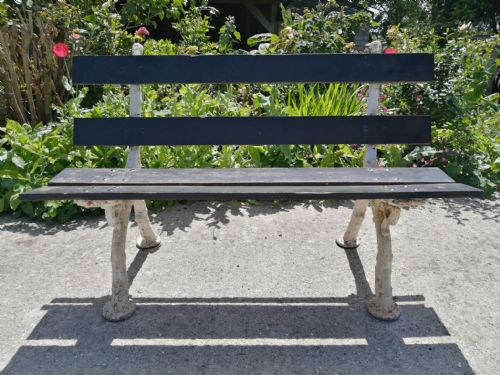
Makers utilised cast iron, wrought iron, and steel to provide structural strength and intricate decorative scroll-work. Foundry techniques allowed for detailed faux bois designs and gothic-influenced tracery on benches and umbrella stands.
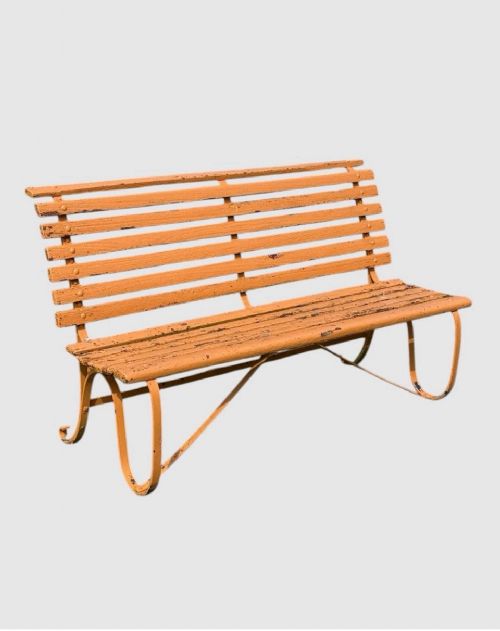
Timber elements such as pine and painted wood were frequently combined with iron frames for tabletops and seating slats. Protective layers of paint were applied, many of which now exhibit characteristic weathering and flaking.
Rustic Metal Furniture Retail Price Guide 2026
Typical asking prices for rustic metal furniture among the pieces listed under this phrase on Sellingantiques today, from the lower quarter to the upper quarter. They describe what is for sale here now, not the wider market.
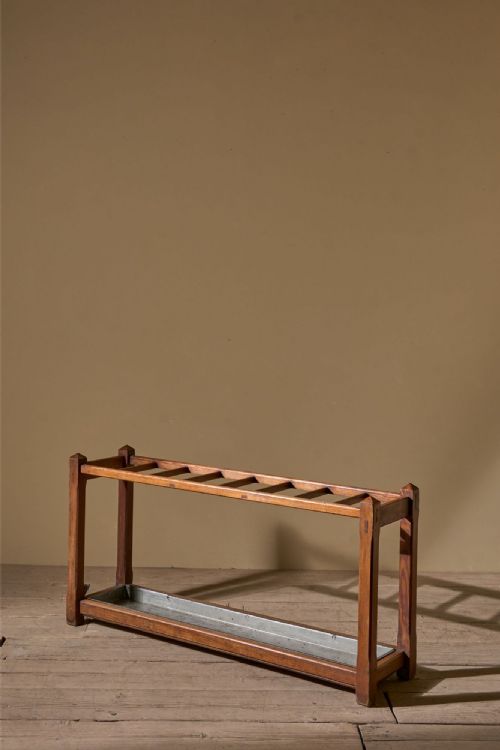
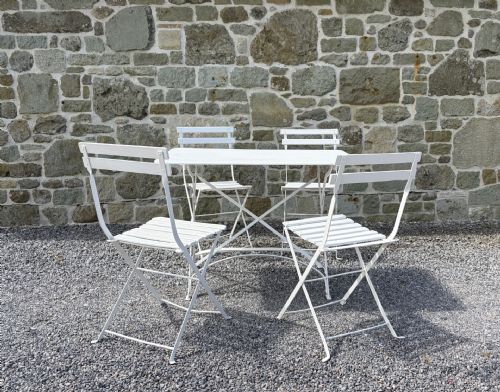
Object forms range from garden dining sets and loungers to umbrella stands, coatstands, and bakery racks originating from France, England, and India.
What varies in quality
Quality rests upon the weight of the metal and the crispness of the foundry casting or smithing work. Finer items display careful joinery and well-balanced proportions, whereas simpler estate-made pieces prioritise straightforward utility over ornamentation.
The integrity of the original materials dictates longevity, particularly where iron meets wood in damp outdoor environments. Retained historic paint surfaces and maker attributions elevate the distinction of surviving examples.
Coalbrookdale
The Rustic Metal Furniture Glossary
- Cast iron
- Iron poured into a mould to create complex decorative patterns and robust structural forms. This technique allowed Victorian foundries to produce intricate garden benches and plant stands.
- Wrought iron
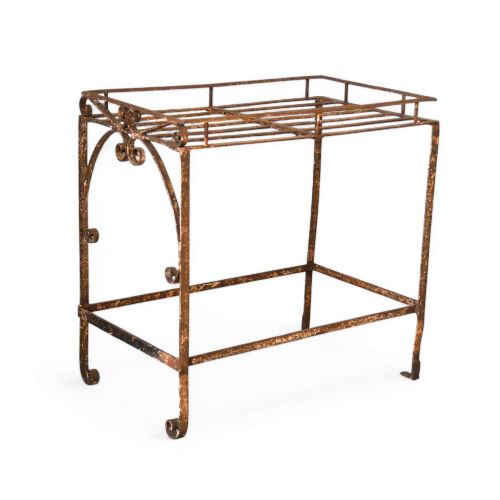
- Iron heated and hammered by a smith into functional shapes and scroll-work. It provides strong, flexible frames for estate-made racks and tables.
- Faux bois
- A decorative technique mimicking the texture and appearance of natural wood. Victorian foundries applied this finish to cast iron garden seats.
- Gothic revival
- An architectural and decorative style featuring pointed arches and vertical tracery. This aesthetic strongly influenced nineteenth-century French and English garden furniture.
- Strapp work
- Flat metal strap-work riveted together to form geometric bracing on tables and stands. It offers a lighter alternative to solid cast components.
Rustic Metal Furniture: Frequently Asked Questions
How do I maintain rustic metal furniture?
Keep the metal clean and dry during harsher winter months to preserve the underlying structure and historic surfaces. Applying a light coat of protective wax or specialised oil helps arrest active oxidation without destroying the patinated finish.
Position pieces on stone flags or timber blocks rather than directly on damp soil to prevent moisture absorption at the base. Regular gentle dusting and careful monitoring of joints ensure the furniture remains stable for everyday use.
Can I leave these pieces outdoors year round?
Most nineteenth-century garden benches and tables were built for exterior use and withstand seasonal weather changes quite well. However, freezing water trapped in hollow cast-iron components or wooden joints can cause structural cracking over time.
Storing lighter items under a covered veranda or inside a shed during deep winter prolongs their working life. Natural weathering adds character, but shelter prevents excessive degradation of vulnerable timber slats.
How do I date a metal garden bench?
Examine the casting quality, fastening methods, and style influences to determine the approximate decade of manufacture. Victorian pieces often display registration marks, foundry stamps, or heavy cast-iron frames with gothic or faux bois detailing.
Later pieces from the early twentieth century frequently incorporate steel elements or simpler folding mechanisms. Comparing the construction techniques with documented foundry catalogues helps narrow down the period.
What is an Arras garden bench?
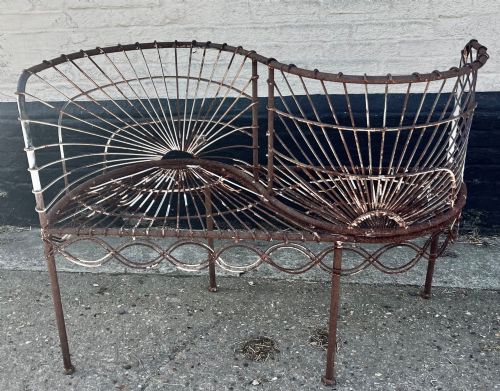
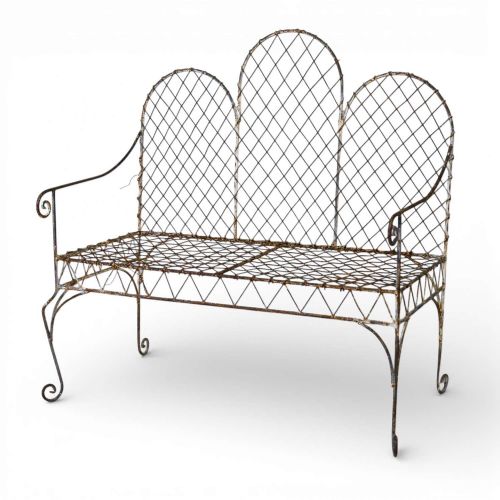
An Arras bench refers to distinctive French metal garden furniture produced in the northern town of Arras during the nineteenth century. These pieces are typically constructed from strap iron and rod, featuring characteristic curved legs and maker plaques.
Collectors prize them for their combination of architectural wirework and sturdy blacksmith construction. They represent a specific regional French tradition distinct from heavy English cast-iron foundry work.
Are these pieces comfortable for seating?
Nineteenth-century metal and wood benches offer surprisingly supportive seating when paired with custom squab cushions. The curved slats and angled backrests on Victorian designs were engineered with human ergonomics in mind.
While harder than modern cushioned loungers, traditional garden seats provide firm support for outdoor reading and relaxation. Adding simple canvas pads makes them suitable for extended sitting in the garden.