


Rustic Kitchen Larder
A rustic kitchen larder is a practical storage piece for dry goods and provisions, offering traditional charm and deep utility for country homes.
Rustic Kitchen Larder
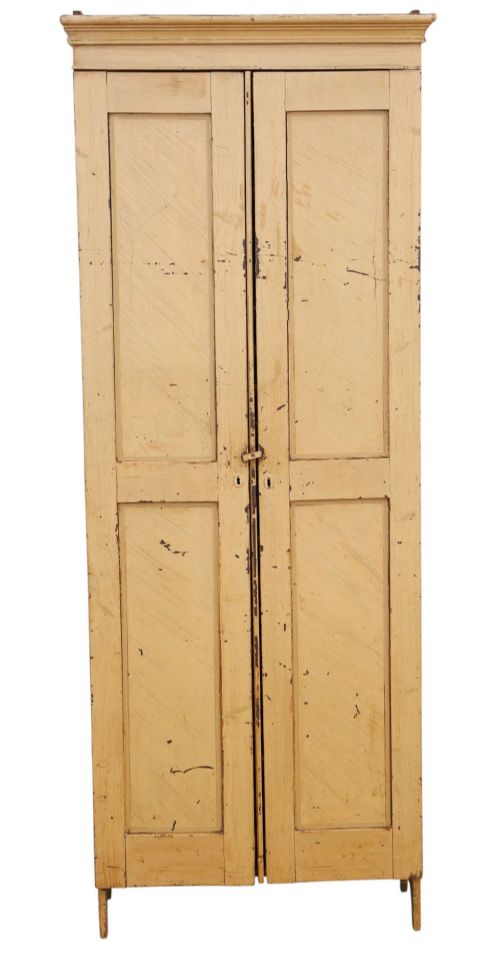
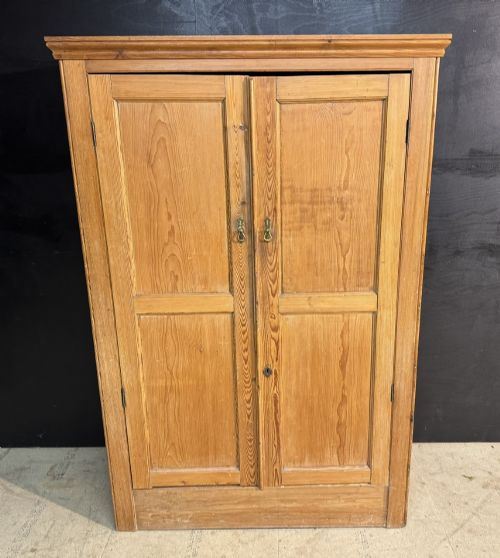
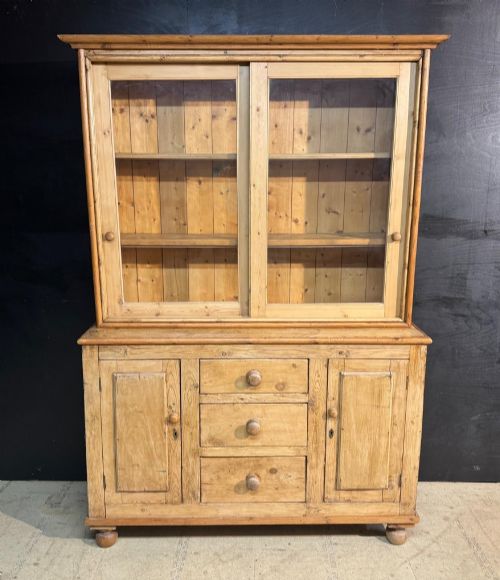
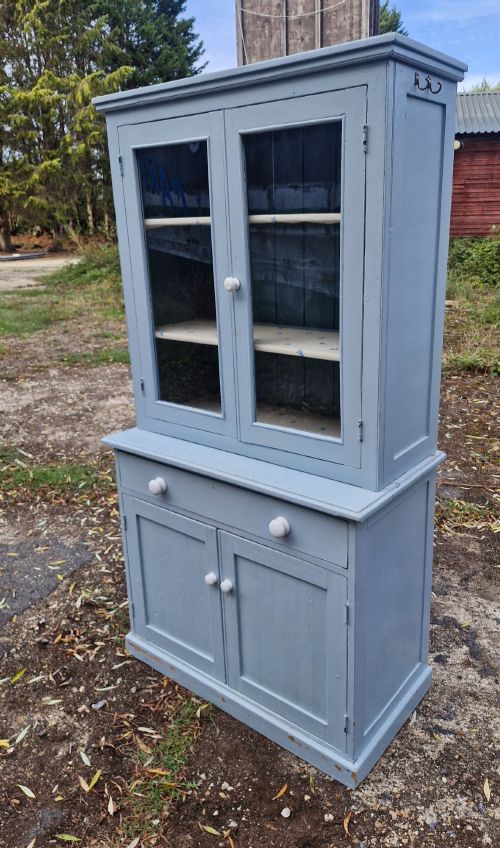
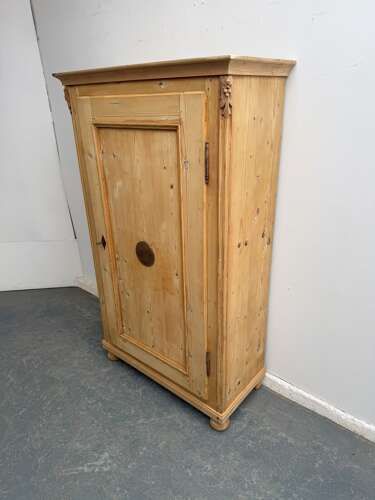
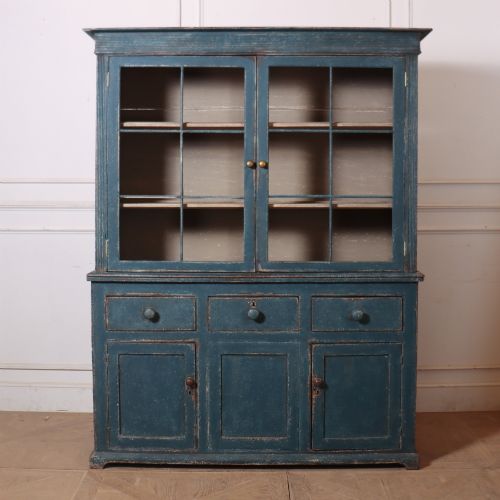
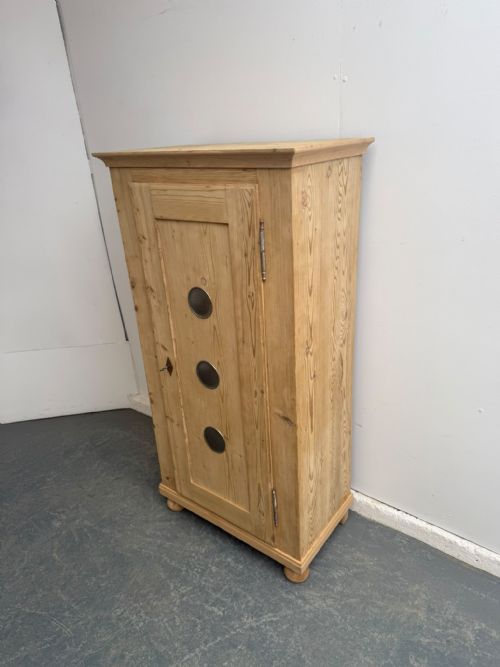
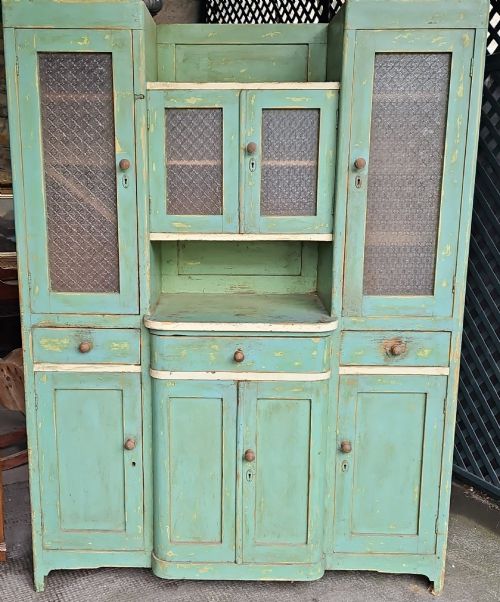
When you search for a rustic kitchen larder, you are looking at utilitarian storage furniture designed for food preservation and household provisions. These pieces range from tall narrow cupboards to large two-part dressers and housekeeper's cupboards.
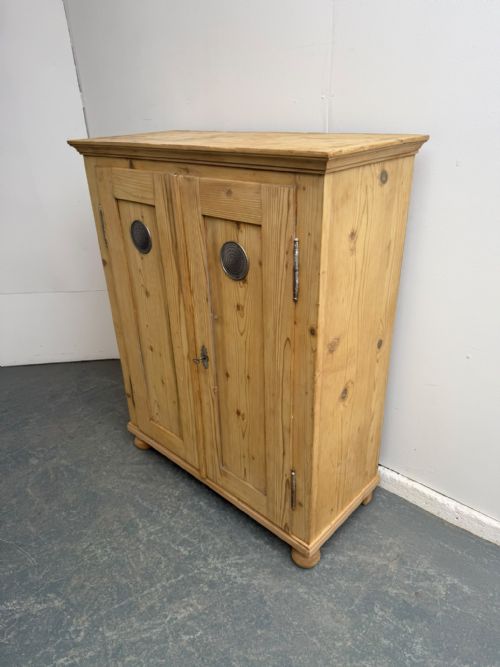
The version you are most likely to meet on this page is made from pine, often painted or stripped to show the timber, dating from the nineteenth or Victorian period. They frequently feature vented doors or mesh panels intended to keep food cool and aired.
Originating from regional English and Welsh vernacular traditions, along with occasional French examples, these larders reflect the straightforward construction methods of past country workshops. They serve today as generous kitchen storage with visible age and character.
How they were made
Pine is the primary timber used across these listings, occasionally joined by oak, chestnut, and metal hardware such as iron and brass hinges. Workshops constructed these cupboards for daily domestic service rather than formal display, prioritising solid timber panels and sturdy shelving.
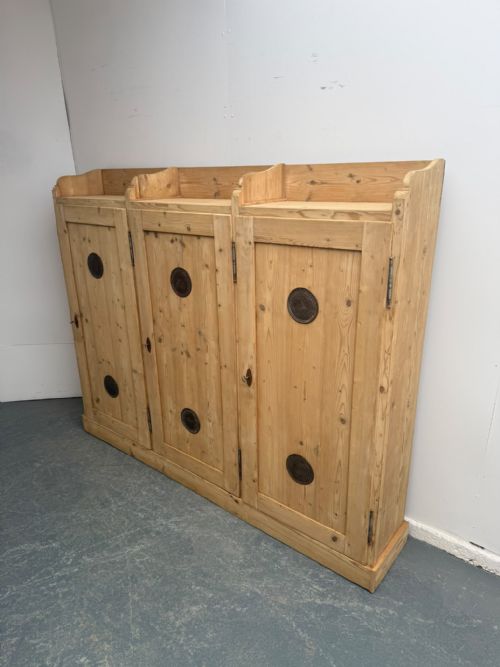
Bread and cheese cupboards bring an echo of dairy storage straight into a modern dining space.
What varies in quality
Quality in a rustic kitchen larder rests upon the proportion, integrity of the timber, and survival of original functional details like ventilation panels and ironmongery. Finer pieces display balanced dimensions, such as tall narrow profiles or well-scaled two-part construction, rather than clumsy proportions.
The handling of surfaces also distinguishes the range, with original paint finishes holding distinct character compared to later domestic repainting. Structural survival, including sound timber boards and unaltered interiors, separates everyday utilitarian boxes from superior vernacular furniture.
The Rustic Kitchen Larder Glossary
- Housekeeper's cupboard
- A large storage piece historically used for linen, dry goods, and provisions. These units often combine upper cupboards with lower drawers.
- Vented cupboard
- A food storage cabinet featuring pierced tin, wooden slats, or wire mesh panels in the doors. This design permitted air circulation to keep perishable goods fresh before mechanical refrigeration.
- Pine
- A soft timber widely utilised in British country furniture for its accessibility and workability. It accepts paint readily and forms the structural core of most listed larders.
- Vernacular furniture
- Domestic pieces made by local craftsmen following regional traditions rather than high-style metropolitan designs. These items prioritise direct utility over fashionable ornament.
- Bread and cheese cupboard
- A regional storage form traditionally ventilated to preserve dairy and bakery items. They represent a specialised subset of vernacular kitchen furniture.
Rustic Kitchen Larder: Frequently Asked Questions
What is a rustic kitchen larder used for?
These cupboards served historically for storing dry goods, cheeses, and baked provisions away from pests and direct heat. Today, they function well as standalone kitchen pantries for crockery and foodstuffs.
Their deep shelves and tall frames offer substantial volume for modern kitchen organisation while maintaining traditional character.
How do I date a pine larder?
Dating relies on construction methods, timber characteristics, and hardware such as iron hinges and brass pulls. Eighteenth-century examples often display hand-planed surfaces and pegged joints, whereas Victorian pieces commonly use factory-cut boards and simpler fixings.
Paint history also provides clues, as original layers differ significantly from mid-century or modern applications.
Are these cupboards suitable for modern kitchens?
They integrate smoothly into contemporary spaces by providing substantial freestanding pantry storage without fitted cabinetry. Their neutral painted finishes or natural pine surfaces complement both traditional and modern kitchen designs.
Buyers often utilise them to hold cookware, dry goods, or tableware.
What does vented mean on these cupboards?
Vented doors feature wire mesh, perforated metal, or slatted wood panels designed to maintain airflow within the cabinet. This ventilation prevented moisture build-up around stored food before the advent of domestic refrigerators.
On surviving pieces, these panels remain a defining characteristic of food storage furniture.