
Rustic Harvest Table
A rustic harvest table brings people together around hard-wearing timber boards built for daily family life.
Rustic Harvest Table
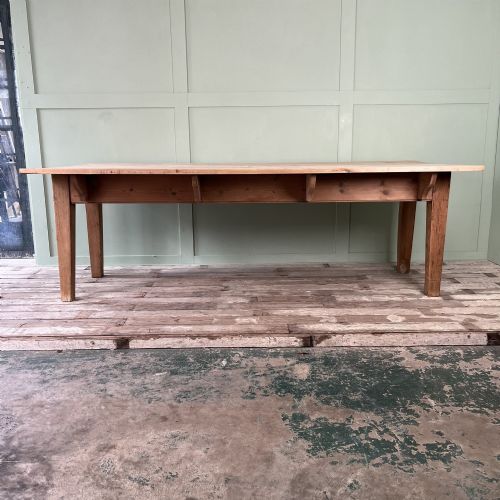
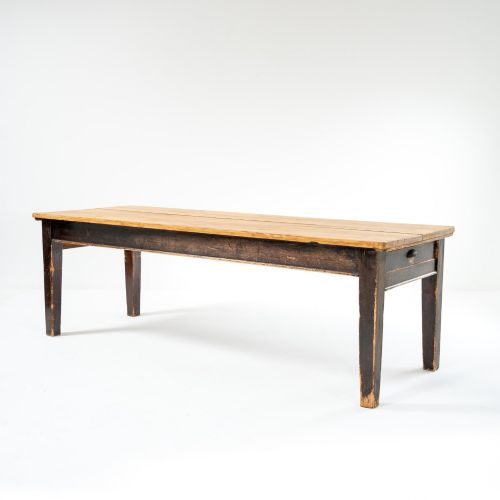
A rustic harvest table is a long dining or kitchen surface designed to seat large numbers of people for meals and gatherings. These pieces originate across the eighteenth and nineteenth centuries, spanning Georgian, Victorian, and provincial European periods. When searching this phrase, buyers encounter large timber tables built for utility in country homes, farmhouses, and taverns.
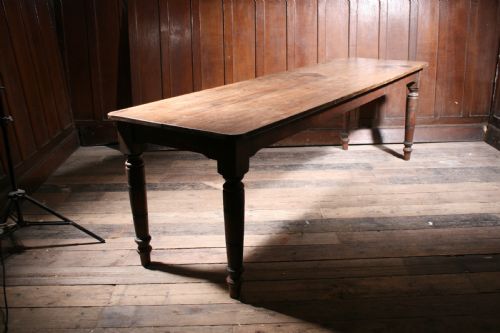
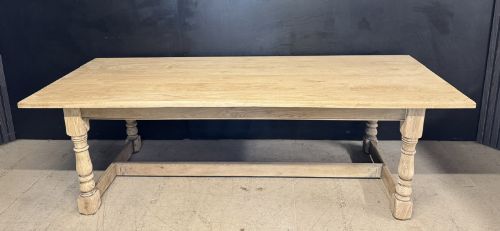
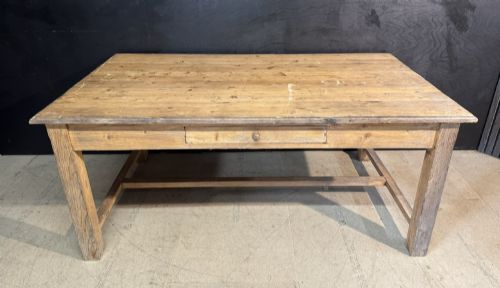
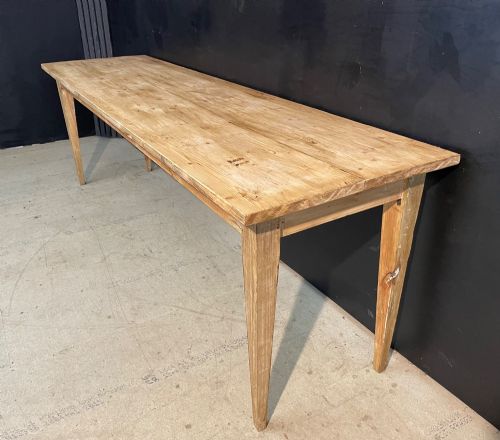
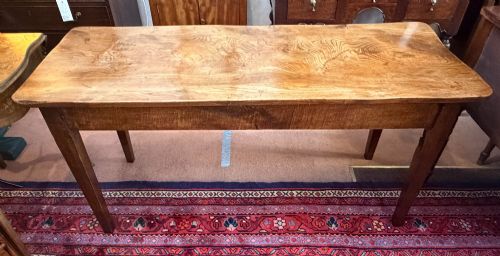
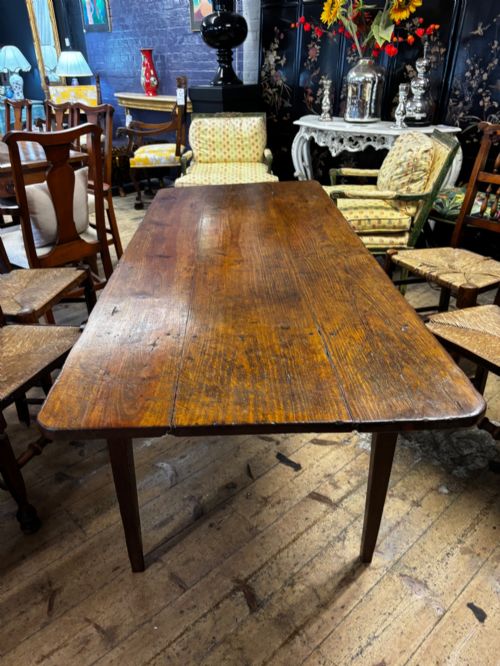
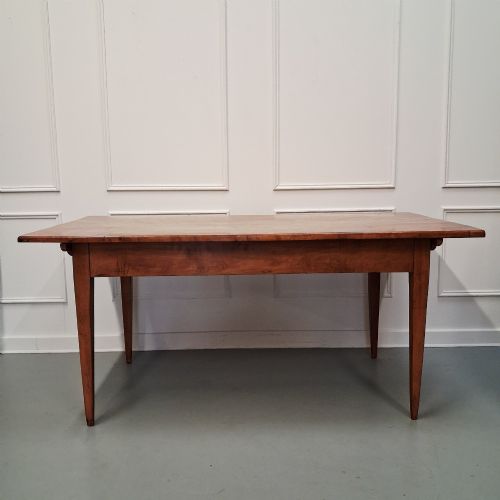
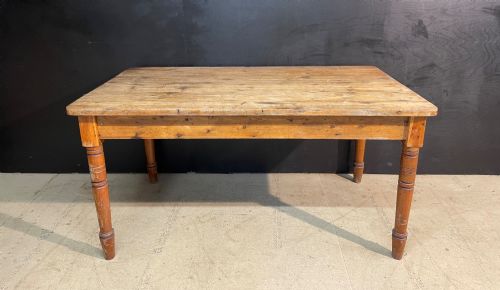
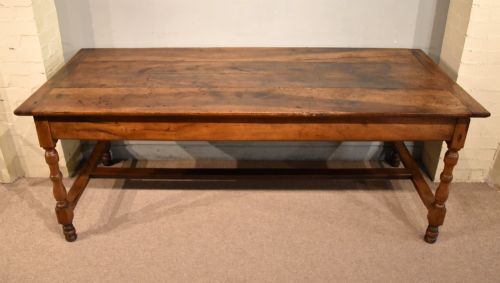
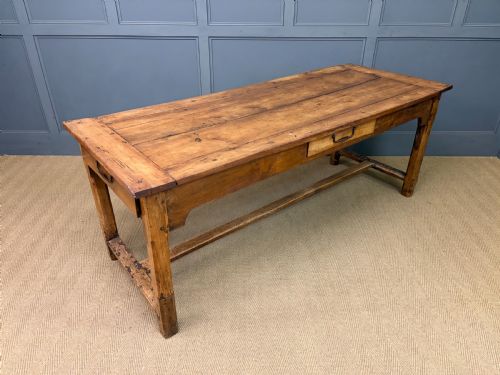
The most common examples on this page are pine and oak dining tables originating from English and French provincial workshops. These range from compact kitchen boards to large community tables stretching over eight or twelve feet. Many show the marks of heavy use through scrubbed surfaces, joined planks, and sturdy stretcher bases.
Materials and construction
Makers built these tables from domestic timbers available locally, chiefly pine, oak, fruitwood, and elm. Carpenters joined wide board tops to sturdy underframes using traditional pegged joints, mortise and tenon construction, and occasional iron or brass fixings. End stretchers and X-frames provided necessary stability for long spans of wood subject to daily weight and movement.
Surfaces were finished plainly or left bare to allow for regular scrubbing with water and sand. Some examples retain traces of original paint or wax finishes on their bases, while tops display the natural grain and deep patination accumulated over centuries of service.
Differences in quality
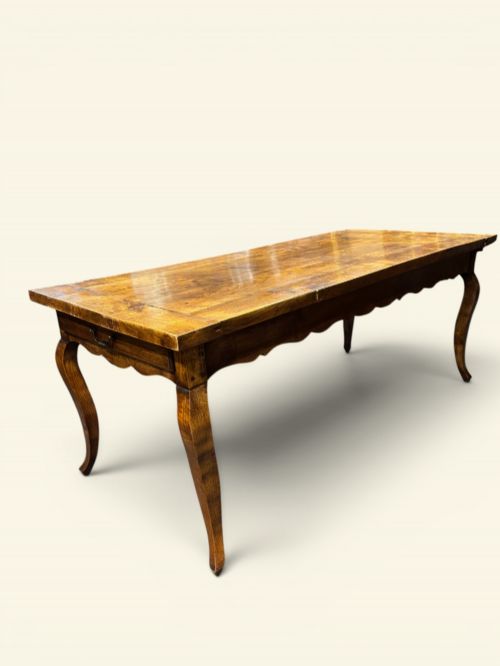
Quality rests on the integrity of the timber selection and the retention of original structural framing. Tables built from thick, stable planks with minimal replacement wood sit at the upper end of the range. The proportion of the base to the top, along with well-executed hand-turned legs or chamfered supports, distinguishes superior provincial joinery from basic utility furniture.
The degree of honest wear also defines a better piece, where patination comes from genuine age rather than artificial distress. Untouched surfaces that retain original scrubbed finishes and unblemished stretchers command greater respect among collectors than heavily restored examples.
The Rustic Harvest Table Glossary
- Refectory table
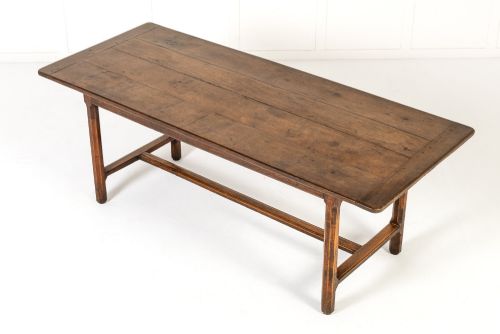
- A long narrow dining table originally built for monastic dining halls and later adapted for domestic use. These pieces often feature stretcher rails running low between the legs for added stability.
- Stretcher
- A horizontal wooden bar connecting the legs of a table to prevent them from spreading under weight. End stretchers are particularly common on long provincial tables.
- Scrubbed pine
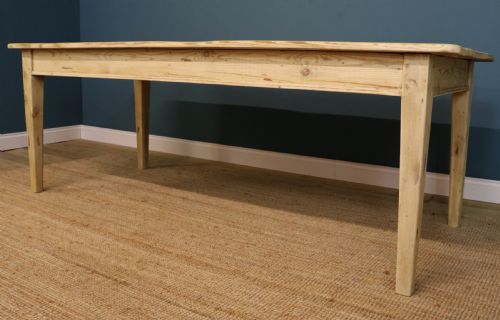
- A finish achieved by repeated washing and scouring of softwood boards with soap and water. This process cleans the grain and leaves a pale, smooth texture.
- Plank top
- A table surface constructed from two or more long boards joined edge to edge. Earlier tables often use wider single planks where timber availability allowed.
- X-frame
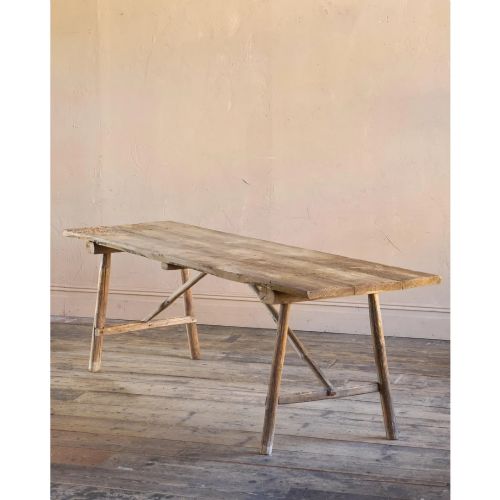
- A base structure formed by intersecting diagonal timbers that support the tabletop. This form appears frequently on tavern and folding tables from the nineteenth century.
Rustic Harvest Table: Frequently Asked Questions
How do I clean a pine harvest table?
Clean antique softwood surfaces using a damp cloth and mild soap, avoiding harsh chemical sprays that strip the natural timber. Dry the wood thoroughly immediately after wiping to prevent moisture marks.
Regular waxing with a natural beeswax helps nourish dry pine and protects the grain from daily spills. Avoid placing hot dishes directly onto historic timber without protective mats.
Will an antique harvest table fit in a modern kitchen?
These tables come in various lengths, from compact six-foot boards to expansive community dining surfaces exceeding twelve feet. Measure your available floor space carefully, allowing ample room to pull chairs out comfortably on all sides.
Consider the leg placement and stretcher height to ensure dining chairs slide underneath without obstruction. Many buyers mix antique timber boards with modern seating to create a balanced interior scheme.
How can I tell if a harvest table is genuinely old?
Examine the underside of the tabletop and the joints for hand-cut tool marks, pegged wooden fixings, and uneven hand-planed surfaces. Genuine age shows in the natural shrinkage, warping, and deep patination of the wood grain accumulated over generations.
Modern reproductions often feature uniform machine-sawn timber and artificial distressing that lacks the genuine wear patterns found on nineteenth-century pieces. Check that the timber species matches the regional style and period of construction.
What is the difference between a harvest table and a refectory table?
Harvest tables typically feature lighter construction designed for seasonal agricultural use and domestic dining, often in pine or fruitwood. Refectory tables generally originate from earlier centuries, using heavier oak frames built for communal dining halls.
Both forms offer long rectangular surfaces, but refectory tables frequently incorporate deeper aprons and formal stretcher systems. Regional variations across England and France blur these distinctions, as provincial makers combined elements from both traditions.