





Rustic Hall Rack
A rustic hall rack brings character to an entryway through natural woods, carved animals, and practical hooks.
Rustic Hall Rack
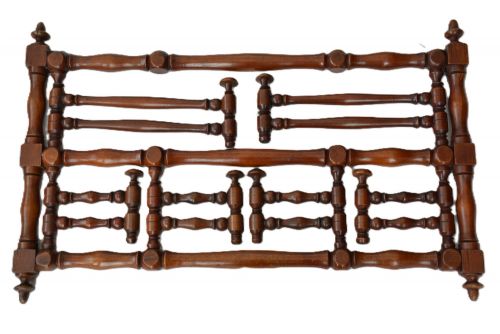
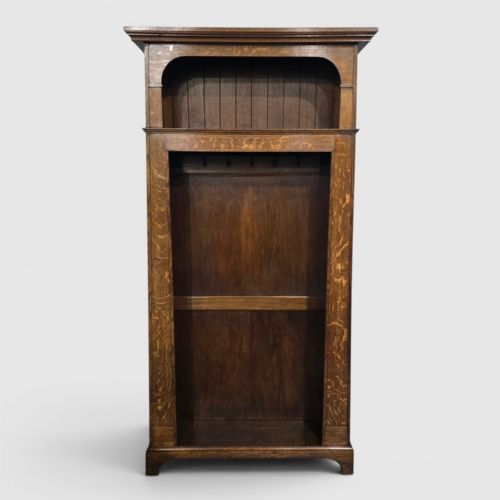
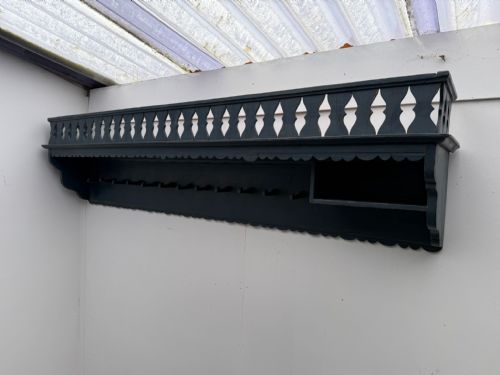
A rustic hall rack serves as a practical entryway piece for coats, hats, and umbrellas, appearing in forms such as wall-mounted rails, freestanding stands, and combined hall robes. The pieces span the nineteenth and twentieth centuries, taking influence from Victorian, Edwardian, and Arts and Crafts design movements.
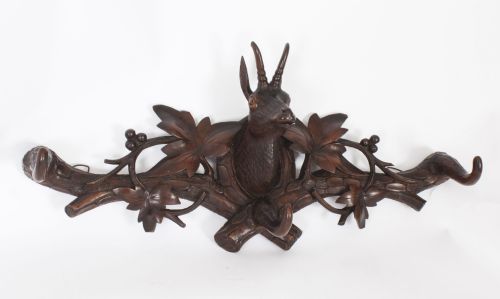
The selection on this page relies heavily on regional European styles, particularly Black Forest carvings featuring bears, foxes, and deer antlers alongside British country house oak and pine furniture. Buyers encounter everything from compact wall hooks to large hallstands fitted with drip trays and mirrors.
How they were made
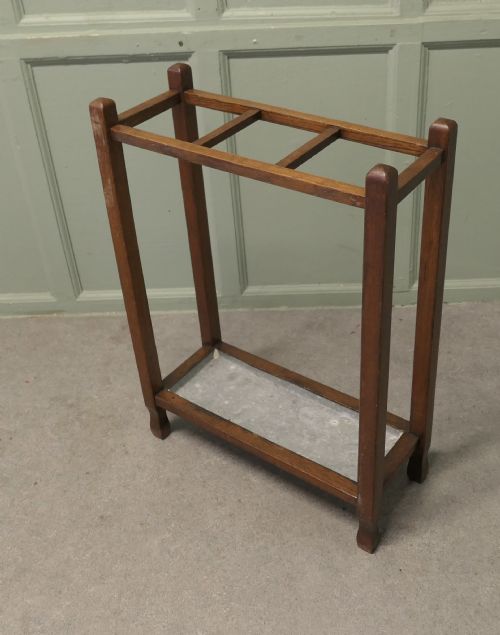
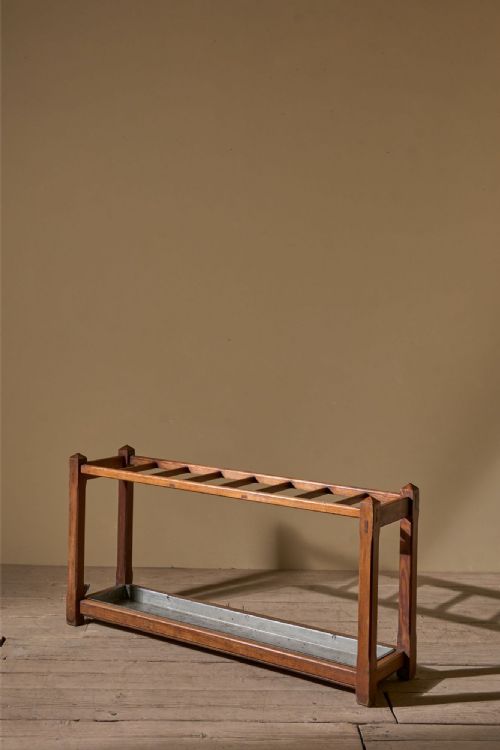
Makers utilised solid timbers such as oak, pine, and linden wood, often left with natural grain or painted in traditional blue pigments. Structural elements frequently incorporate metal components, glass inserts, and zinc drip trays to handle wet umbrellas.
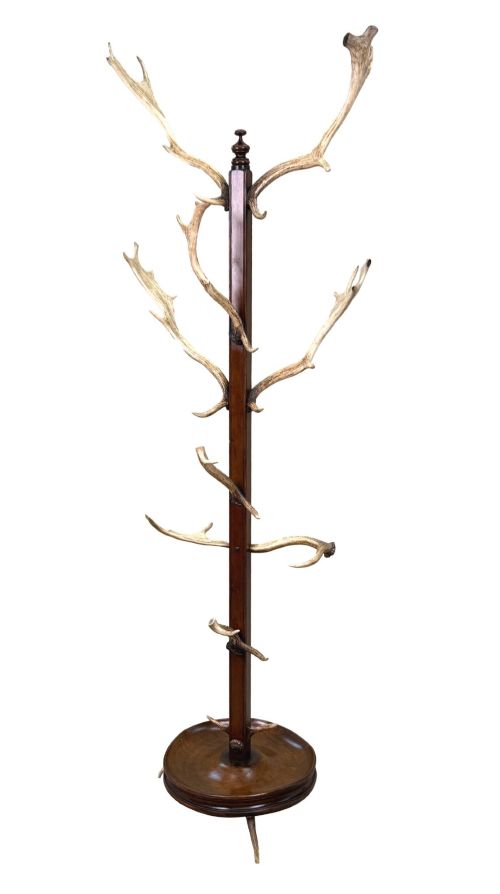
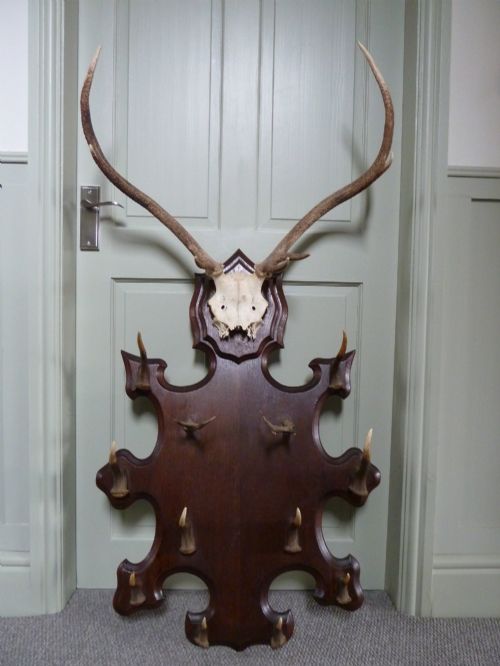
Carved pieces display detailed handwork, utilising natural materials like stags' horns, cow horns, and deer antlers integrated directly into the wooden frames. Construction methods range from simple wall-mounted battens to complex freestanding joinery with canted corners and divided sections.
Rustic Hall Rack Retail Price Guide 2026
Typical asking prices for rustic hall rack among the pieces listed under this phrase on Sellingantiques today, from the lower quarter to the upper quarter. They describe what is for sale here now, not the wider market.
What varies in quality
The depth and expression of the carving separate standard items from exceptional examples, particularly in Black Forest animal studies where anatomical precision matters. The choice of material also dictates quality, with dense golden oak and finely grained linden wood holding detail far sharper than softer utility timbers.
Structural integrity depends on the original joinery and the survival of secondary elements like zinc drip trays, glass panels, and horn tines. Pieces that retain their original mounting hardware and unblemished natural surfaces stand apart from heavily restored alternatives.
The Rustic Hall Rack Glossary
- Black Forest
- A style of intricate wood carving originating from central Europe, known for depictions of bears, dogs, and forest foliage. These pieces often double as functional furniture for hats and coats.
- Hallstand
- A combined entryway piece incorporating hooks for garments, a mirror, and a base section for umbrellas or walking sticks. They range in scale from slender wall units to large architectural hallway items.
- Stick stand
- A piece designed specifically for holding umbrellas and walking sticks, usually featuring a compartmentalised top frame and a metal tray below to catch rainwater. Oak and pine are common timbers for these items.
- Linden wood
- A pale, fine-grained timber favoured by carvers for its uniform texture and lack of prominent grain. It allows for the precise, deep relief work seen on animal-themed hall pieces.
Rustic Hall Rack: Frequently Asked Questions
What is a rustic hall rack?
A rustic hall rack is an entryway furnishing designed to hold outdoor garments and walking accessories using natural woods and organic motifs.
These pieces combine utility with decorative carving, featuring hooks, shelves, and umbrella holders fashioned from timber and animal horns.
Where were Black Forest racks made?
Black Forest hall racks originate primarily from Switzerland and Germany during the nineteenth and early twentieth centuries.
Skilled woodcarvers in these regions specialised in realistic representations of local fauna integrated into domestic furniture.
How do I maintain an oak hall stand?
Maintenance involves dusting with a dry cloth and occasionally applying natural beeswax to nourish the solid timber.
Keep the piece away from direct heat sources and moisture to protect the original finish and prevent the wood from splitting.
What materials are used in these racks?
Construction materials include solid oak, pine, linden wood, and painted timbers alongside structural metal components.
Many examples also incorporate natural elements such as red deer antlers, stags' horns, and cow horns into the framework.