




Rustic Genre Scene
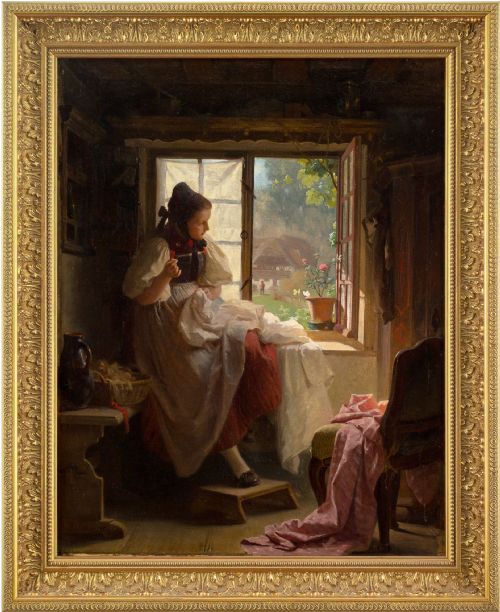
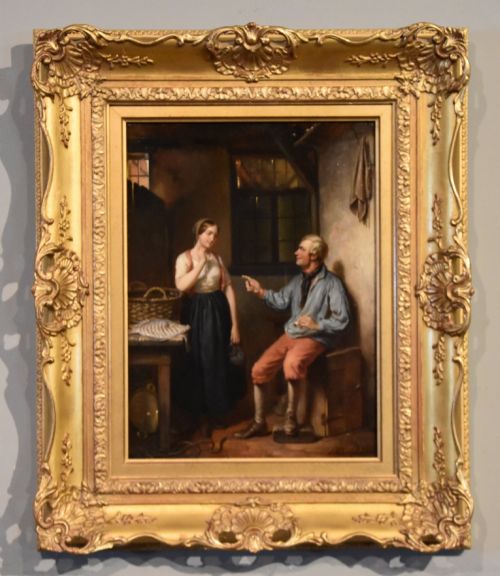
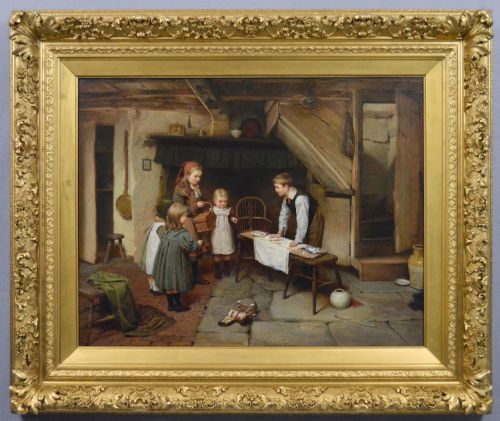
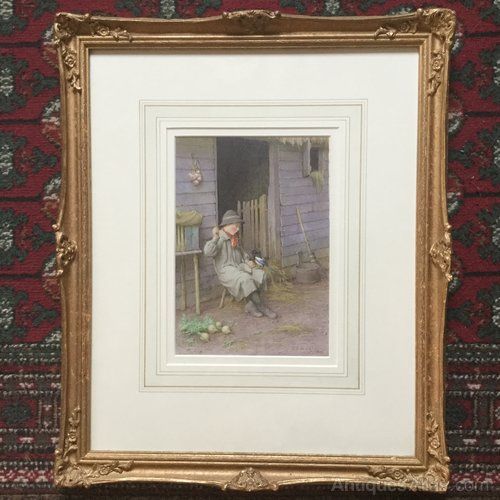
A rustic genre scene captures everyday country life on canvas, offering a window into domestic interiors and rural traditions that brings warmth to any room.
Rustic Genre Scene
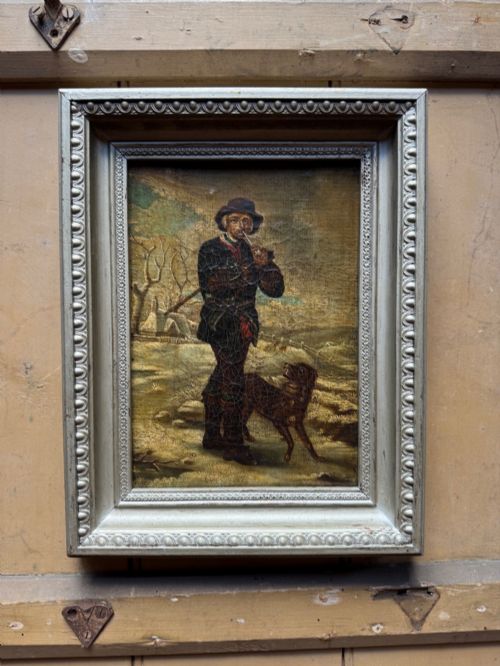
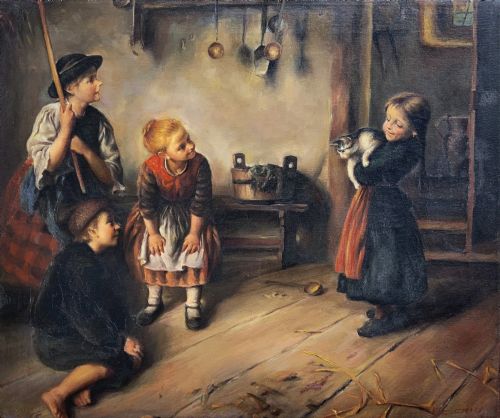
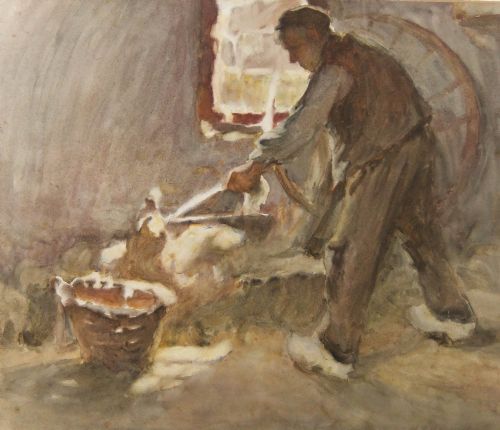
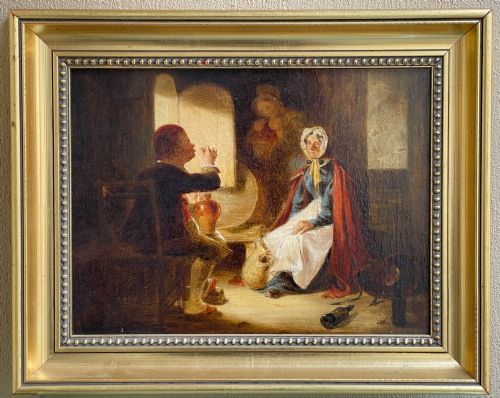
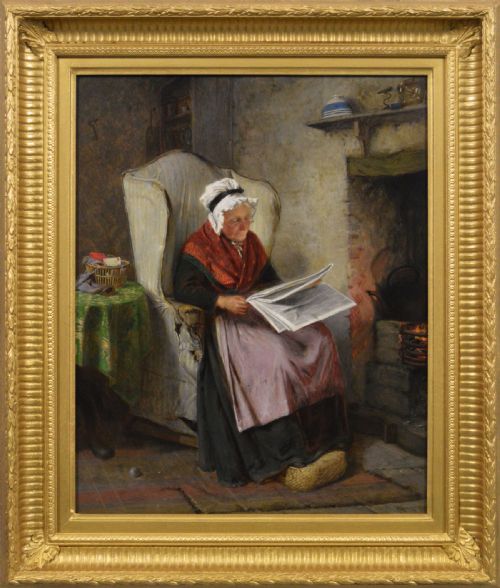
When you search for a rustic genre scene, you encounter framed paintings and watercolours depicting country life, cottages, and domestic interiors. These works portray ordinary people at work or rest, ranging from blacksmiths at their anvils to children playing outside.
The selections on this page span the nineteenth century and the Victorian era up to the early twentieth century. You will frequently find oil paintings on canvas or board alongside watercolours and period prints.
Subjects often focus on rural trades, cottage interiors, and farmyard scenes. These compositions record the textures of daily labour and quiet domestic moments in British and European villages.
How They Were Made
Artists built these compositions using oil paint or watercolour applied to canvas, wood panels, or paper. Canvases were stretched over wooden frames, while panels provided a rigid support for detailed brushwork.
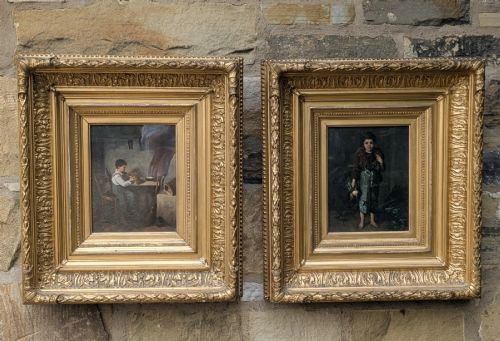
Many works incorporate gesso beneath the surface preparation to hold fine detail. Frames often feature gilt wood or carved moulding that complements the period aesthetic of the painting.
Listings feature works from the nineteenth century and Victorian era, rendered in oil on canvas, wood panel, and watercolour on paper.
What Varies in Quality
The handling of light and shadow distinguishes accomplished works from routine studio production. Master hands capture the warmth of a hearth or natural window light falling across a subject with precise tonal control.
Detail in facial expressions and textural rendering of garments or interior objects elevates a piece. Compositional balance and the vitality of figures at work or rest separate inspired paintings from repetitive cottage scenes.
Henry Silkstone Hopwood·Max Kaltenmoser·Jacob Akkersdijk·Harry Brooker·Haynes King·James Kyd·Henry John Yeend King·Théophile Emmanuel Duverger·Gustav Goemans·Alfred Provis·Jonathan Pratt
The Rustic Genre Scene Glossary
- Genre painting
- A branch of fine art depicting scenes from everyday life, ordinary people, and domestic interiors. These works focus on common human activities rather than historical or mythological subjects.
- Oil on canvas
- Pigment mixed with drying oil applied to a woven fabric support. This technique allows for rich colour blending and varied surface textures.
- Watercolour
- Paint consisting of colour pigment suspended in a water-soluble vehicle. Applied to paper, it creates translucent washes and delicate atmospheric effects.
- Giltwood
- Wood carved and coated with gold leaf or a gold-coloured metallic finish. It commonly frames Victorian paintings to enhance their visual weight.
- Panel painting
- Artwork executed on a flat piece of wood rather than canvas. This rigid support offers a stable surface favoured by nineteenth-century artists for detailed interior scenes.
Rustic Genre Scene: Frequently Asked Questions
What is a rustic genre scene?
A rustic genre scene depicts everyday rural life, such as cottage interiors, farmyards, and country trades. These artworks focus on the daily activities of ordinary people rather than grand historical events.
They offer a detailed record of historical domestic habits, clothing, and rural architecture. Collectors value them for their charming narrative qualities and depiction of simpler times.
Who painted these scenes?
Numerous British and European artists painted these subjects during the nineteenth and early twentieth centuries. Painters often observed village life directly, recording domestic interiors and local characters.
Many artists exhibited their genre works at major academies and galleries. Their output formed a significant part of Victorian and continental real art movements.
How should I hang these paintings?
Display these works away from direct sunlight and excessive moisture to protect the pigment and canvas. Traditional gilt frames look best against neutral wall colours that complement the warm tones of the oil paint.
Ensure the hanging height places the centre of the canvas at eye level. Proper picture lighting enhances the brushwork and ambient detail of nineteenth-century interiors.
How do I identify the period?
Examine the materials, framing style, and subject dress to determine the era. Nineteenth-century works often feature characteristic Victorian clothing styles and traditional cottage utensils.
Signatures, stretcher frames, and canvas stamps can provide additional clues for dating. Consulting period artist registries helps connect unsigned works to specific decades.