
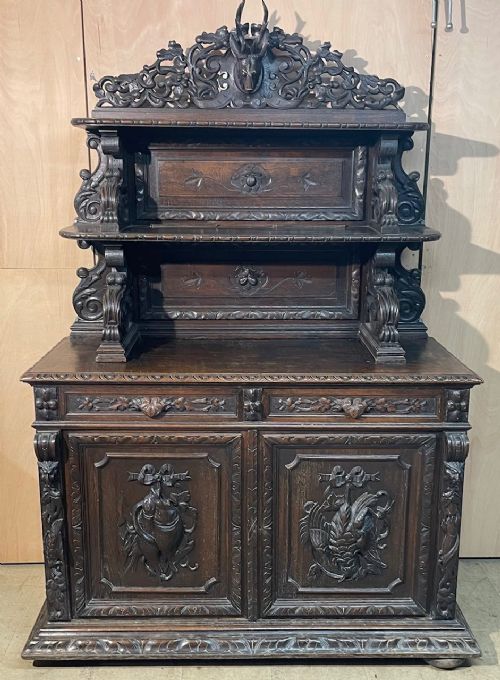
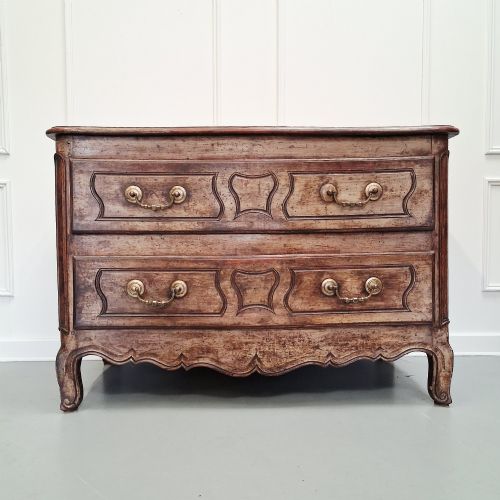
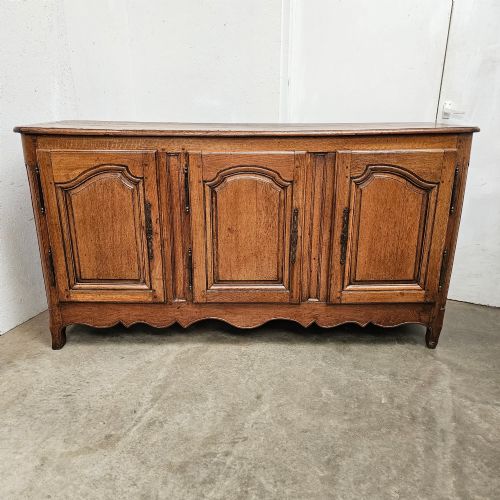
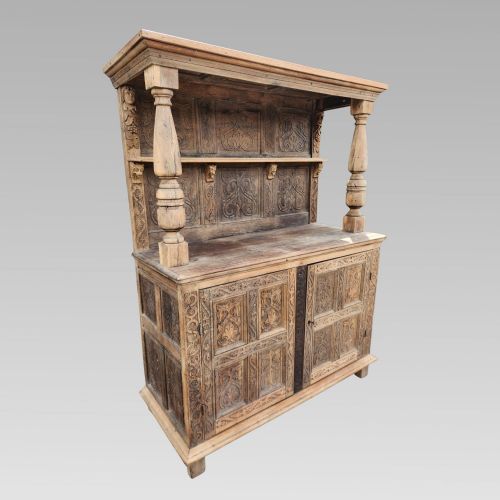


Rustic French Oak Cabinet
A rustic french oak cabinet brings robust provincial character to an interior, offering practical storage grounded in centuries of European woodworking tradition.
Rustic French Oak Cabinet
When you search for a rustic french oak cabinet, you encounter a wide variety of storage furniture originating from French provinces and country houses. These pieces range from tall armoires and expansive enfilades to compact bedside units and food cupboards.
The selections on this page draw heavily from the eighteenth and nineteenth centuries, reflecting the utilitarian needs of rural households. Forms include regional specialities such as mountain cupboards, bread safes, and enclosed bed fronts adapted into standalone storage.
French Provincial and French Country styles dominate the selection, bringing unpretentious lines and regional carving traditions into modern domestic spaces. Buyers frequently choose these cabinets to anchor dining rooms, hallways, and kitchens with authentic period presence.
How they were made
Master regional carpenters built these cabinets primarily using solid oak, occasionally integrating fruitwood, chestnut, or walnut depending on regional availability. Boards were hand-planed and joined using traditional techniques designed to withstand heavy daily use in farmhouses and manoirs.
Hardware played a functional and structural role, with forged iron, wrought iron, and brass hinges, locks, and handles securing heavy doors. Surfaces often display the natural grain of the timber, though some examples exhibit later bleaching or historical wax finishes.
Listings feature oak, chestnut, and walnut cabinets spanning periods from the seventeenth century through to the early twentieth century.
What varies in quality
The integrity of the timber and the depth of regional hand-carving distinguish finer provincial examples from utilitarian workshop output. Cabinets retaining original hardware, untouched surface patination, and sound structural joints command greater interest among collectors.
Proportion and scale also separate standard regional storage from exceptional architectural pieces, such as multi-tiered buffets and early armoires. The crispness of panel mouldings and the balance of regional stylistic details indicate the skill of the original provincial maker.
The Rustic French Oak Cabinet Glossary
- Enfilade
- A long sideboard or buffet featuring multiple doors and drawers in a continuous line. These pieces traditionally served dining rooms for storing tableware and serving food.
- Armoire
- A large freestanding wardrobe or cupboard with doors enclosing shelving or hanging space. Early provincial versions often feature hand-carved panels specific to their region of origin.
- Panetiere
- A traditional wall-mounted or freestanding bread safe designed to keep loaves away from rodents. These ventilated cabinets typically incorporate turned spindles and delicate pierced carving.
- Lit-clos
- An enclosed bed front adapted into a cabinet. Originating in regions like Brittany, these repurposed wooden structures retain distinctive regional joinery and louvered doors.
- Buffet de Corps
- A substantial two-part cupboard or dresser comprising a lower sideboard section beneath an upper display or storage cabinet. They represent the height of provincial dining room storage.
Rustic French Oak Cabinet: Frequently Asked Questions
How do I date a rustic french oak cabinet?
Dating relies heavily on construction methods, hardware types, and regional stylistic markers visible in the panels and joinery. Hand-cut peg joints, wrought iron hinges, and deeply patinated timber typically point towards eighteenth-century or earlier provincial origins.
Later nineteenth-century pieces often display more uniform machine-sawn elements alongside traditional construction. Comparing the door mouldings and foot styles to documented regional examples helps narrow down the decade of production.
Where should I place a heavy oak armoire?
These substantial storage pieces suit spacious hallways, living areas, or bedrooms where their height and depth can be accommodated safely. Ensure the floor is level and consider securing tall or heavy cabinets to the wall for added stability.
Positioning them away from direct heat sources and strong sunlight preserves the stability of the antique oak and prevents the timber from drying out or splitting.
What is the difference between an enfilade and a buffet?
An enfilade is characterised by its extended length, featuring a continuous row of doors and drawers designed for large dining rooms. A standard buffet is typically more compact, offering two or three doors with a serving surface on top.
Both forms served similar storage functions in French provincial homes, but the enfilade provides significantly more surface area and interior capacity.
How do I care for antique french oak furniture?
Maintain the timber by dusting regularly with a soft, dry cloth and applying natural beeswax sparingly to nourish the grain. Avoid modern silicone-based polishes that can build up a sticky residue and damage the historic surface patination.
Keep the room at a stable humidity level to prevent the solid oak panels from expanding or contracting too drastically with seasonal changes.