



Rustic Framed Mirrors
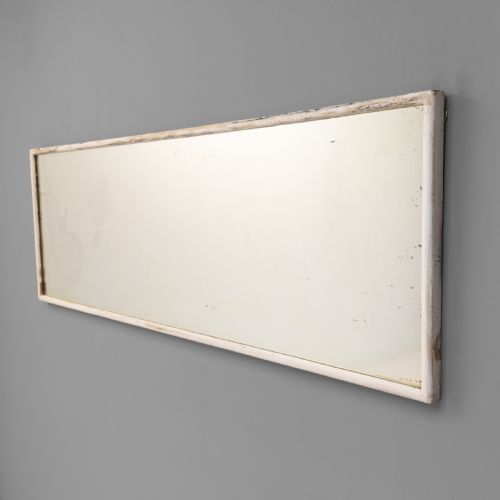
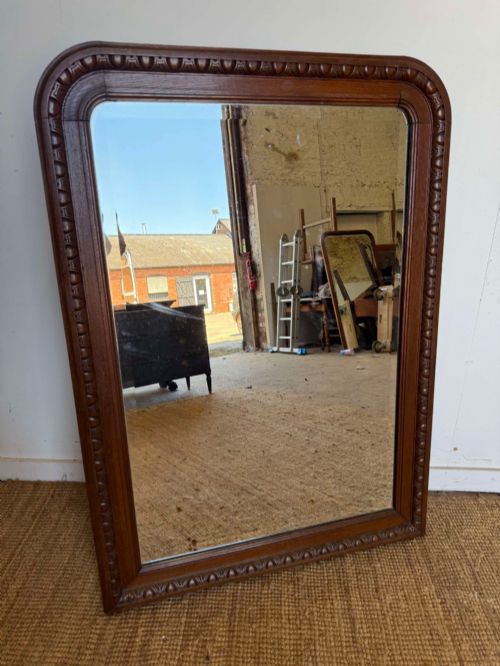
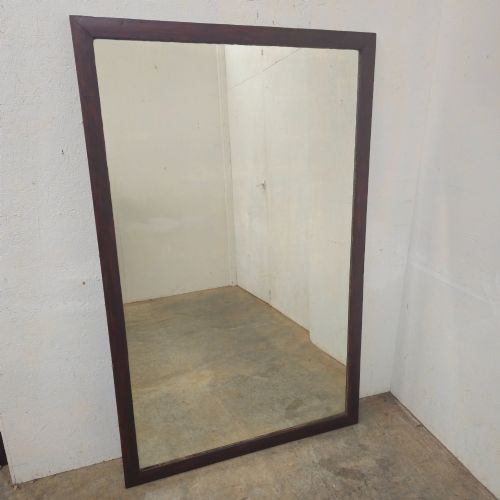
These rustic framed mirrors bring warmth and character to a room through timber frames, carved detailing and aged glass.
Rustic Framed Mirrors
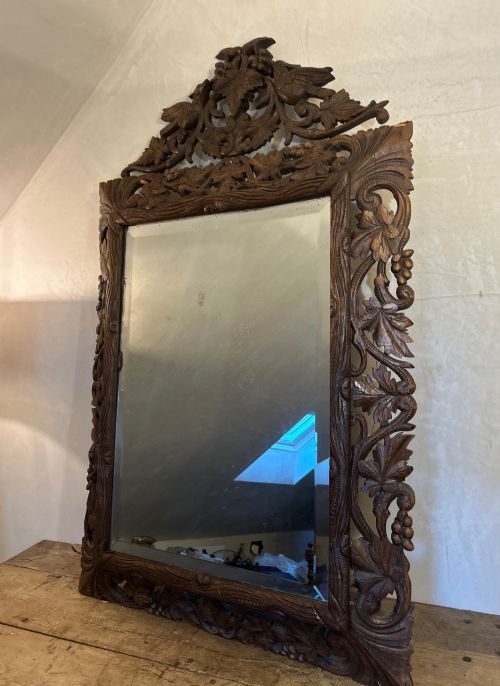
Rustic framed mirrors encompass wall-hanging and overmantle pieces shaped by regional traditions and domestic utility across the nineteenth and early twentieth centuries. Buyers seeking these items encounter robust oak, pine and maple structures carrying the marks of country workshops, hunting lodges and provincial homes.
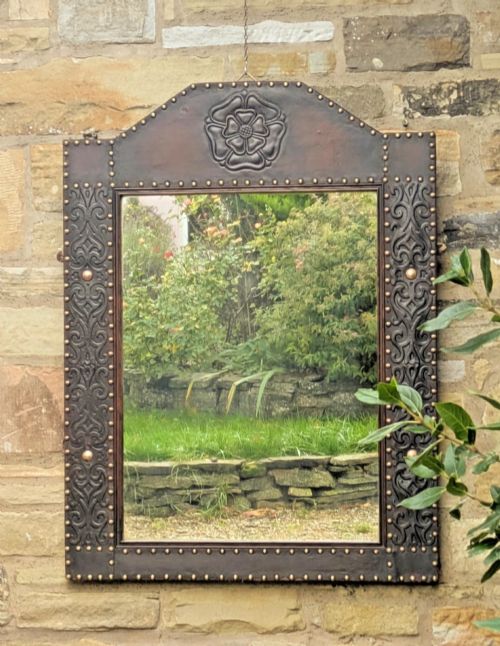
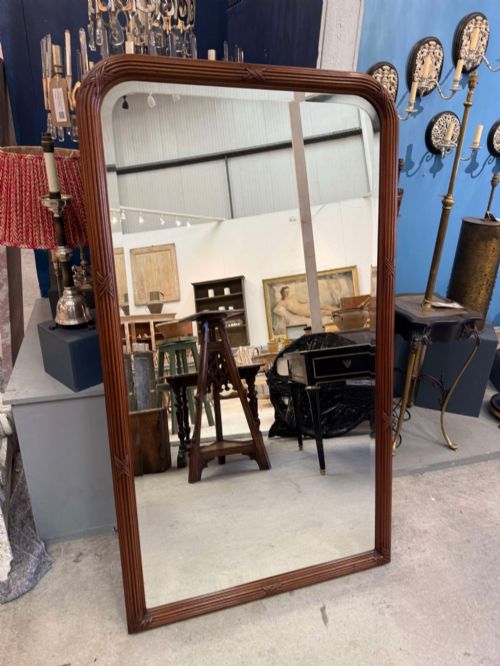
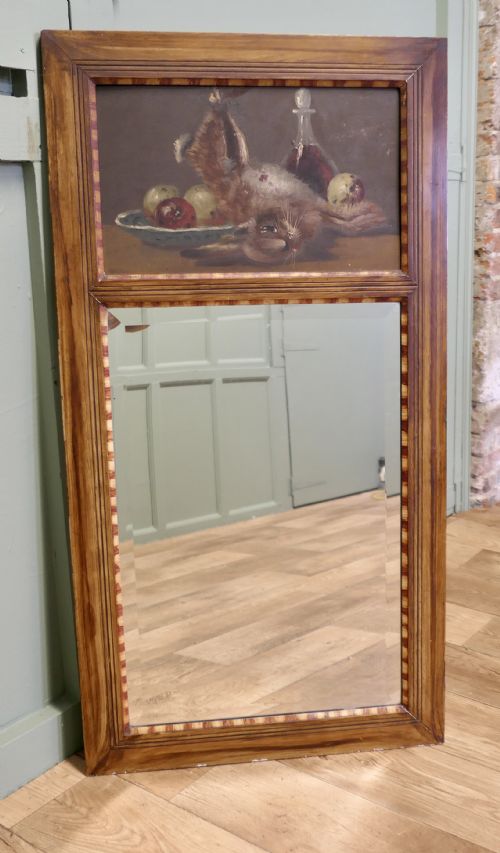
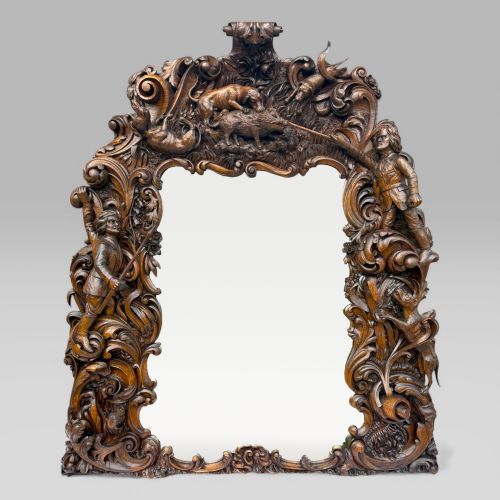
The selections span distinct continental and British aesthetics, featuring French Country trumeau piers, Black Forest carvings and English Arts and Crafts designs. Wall mirrors and larger architectural window formats dominate, offering functional reflection alongside heavy textural presence.
Materials and Technique
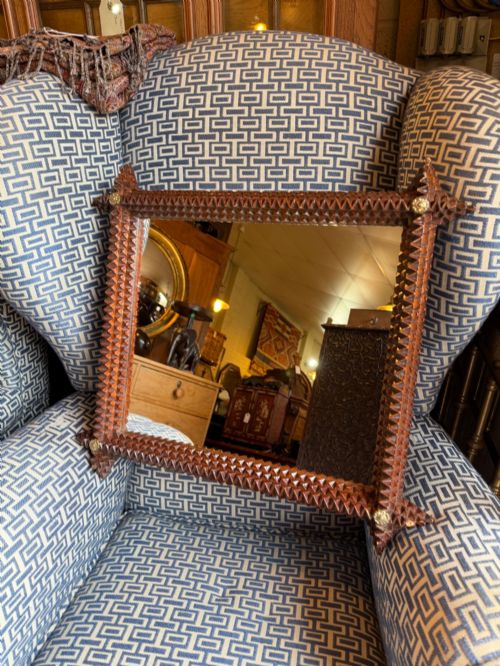
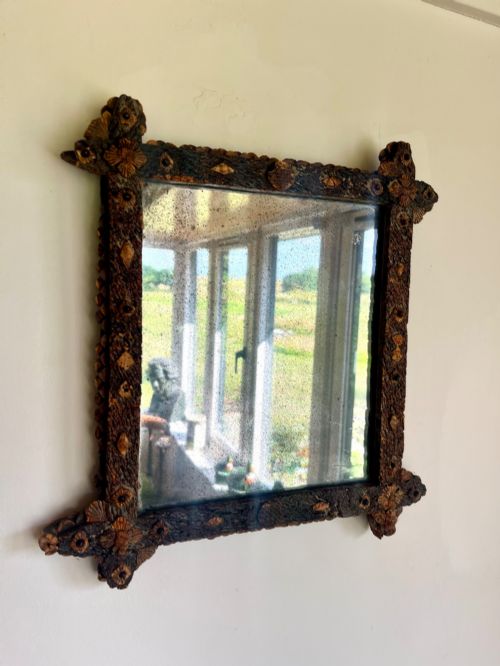
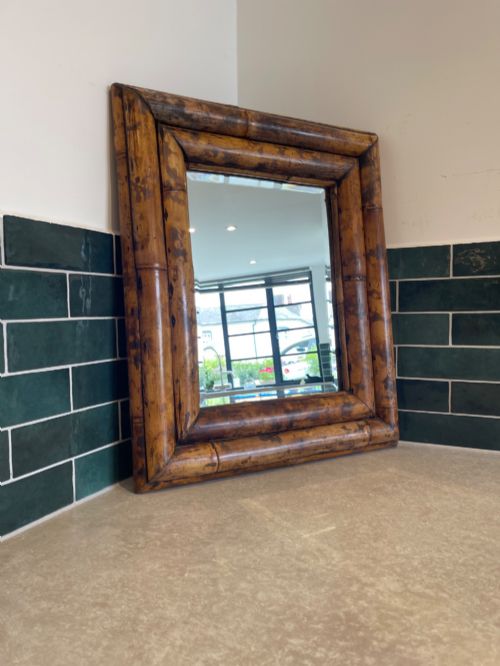
Frames rely principally on solid hardwoods and softwoods including oak, pine, maple and carved wood, frequently finished with paint, gesso or faux graining. Artisans employed traditional joinery alongside applied rustic ornamentation like cork tramp art, fret cutting and applied bamboo moulding.
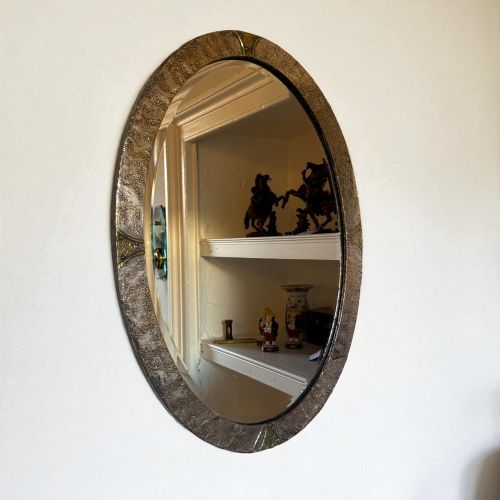
Metal accents appear through hammered copper, brass and mounted cabochons, particularly within the Arts and Crafts tradition. Glass panels are set securely into substantial wooden surrounds, sometimes utilising bevelled edges or retaining the slight foxing of age.
Rustic Framed Mirrors Retail Price Guide 2026
Typical asking prices for rustic framed mirrors among the pieces listed under this phrase on Sellingantiques today, from the lower quarter to the upper quarter. They describe what is for sale here now, not the wider market.
One piece records the taste of Bavarian royalty, bringing hunting lodge grandeur straight to the wall.
Judging Quality
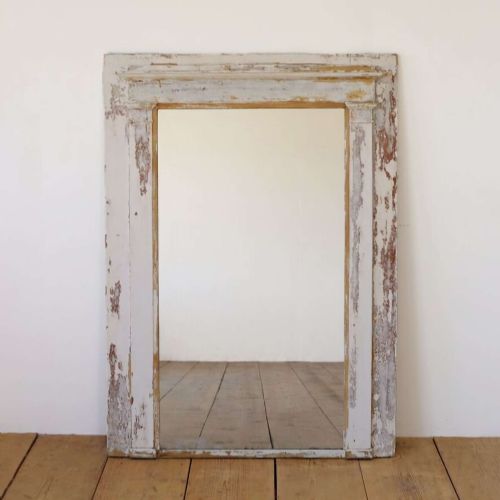
Quality rests in the harmony of the timber frame and the depth of the hand-carved or applied detail, where crisp relief work elevates a piece above standard utility. The integrity of the original surface finish, whether scrubbed oak, layered paint or natural grain, dictates visual authority.
Structural proportion and scale separate simpler domestic examples from grander overmantle and pier pieces designed for formal interiors. Superior items maintain honest patination on both wood and glass without losing the robust physical presence defining the genre.
The Rustic Framed Mirrors Glossary
- Trumeau
- A decorative wall mirror featuring an upper panel painted or carved in relief, commonly integrated into French interior design.
- Gesso
- A plaster-like mixture applied to wooden frames as a smooth base for subsequent painting or gilding.
- Tramp art
- A woodwork style where small chips are carved from humble materials like cigar boxes or scrap timber and layered to form intricate geometric patterns.
- Overmantle mirror
- A large horizontal looking glass designed specifically to hang on the wall directly above a fireplace mantel.
- Foxing
- The natural age-related spotting or discoloration appearing within the silvered backing of antique mirror glass.
Rustic Framed Mirrors: Frequently Asked Questions
Where should I hang a large overmantle mirror?
These sizeable pieces find their traditional home anchored securely to the wall above a living room fireplace, reflecting light and opening up the floor plan.
Alternatively, position them opposite a window in a hallway or dining room to maximise natural illumination and create an illusion of expanded space.
How do I clean an antique glass mirror?
Use a soft microfiber cloth slightly dampened with distilled water or a mild, ammonia-free glass cleaner sprayed onto the cloth rather than directly onto the glass.
Avoid applying heavy pressure to vulnerable edges or areas where the silver backing shows degradation, preserving the historic character of the piece.
Are rustic frames suitable for damp bathrooms?
Solid wood and painted pine frames respond poorly to persistent high moisture and direct steam, which can cause timber to warp and gesso to crack.
Reserve these pieces for dry living spaces, hallways or bedrooms where humidity remains stable and the original finishes stay protected.
How can I date a wooden framed mirror?
Examine the timber species, joinery methods at the frame corners, and the condition of the glass backing to establish clues regarding the manufacturing era.
Stylistic markers such as Arts and Crafts copper embellishments or Black Forest carvings also point directly to specific late nineteenth or early twentieth-century periods.