

Rustic Farmhouse Chair
A rustic farmhouse chair brings daily utility and enduring character to a room, formed from timber built to last centuries.
Rustic Farmhouse Chair
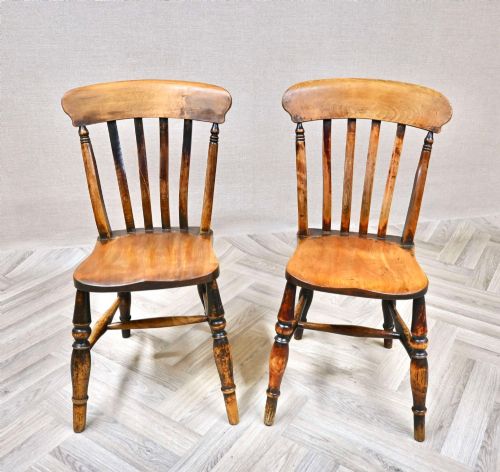
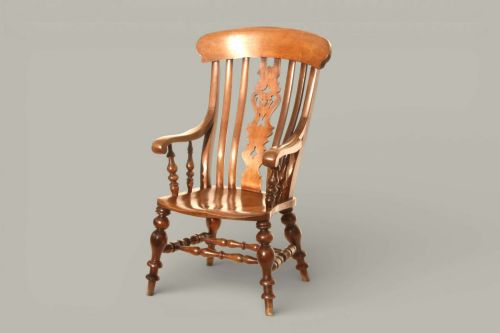
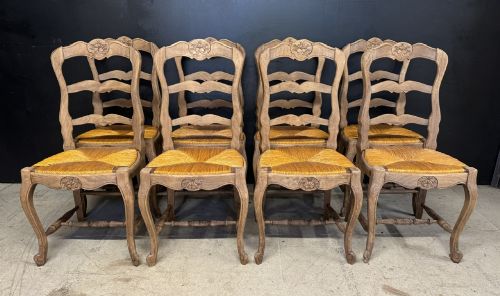
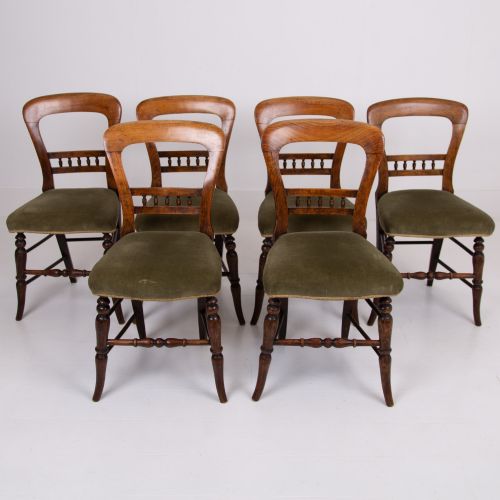
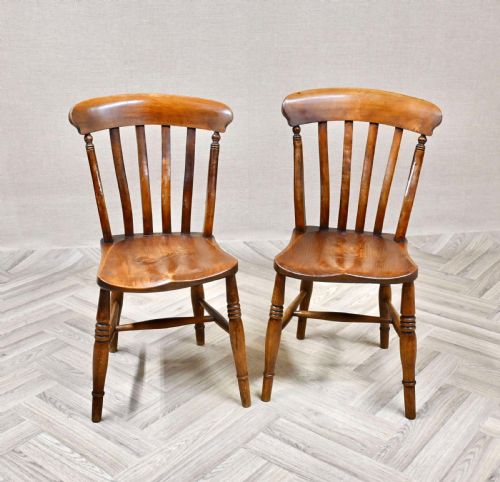
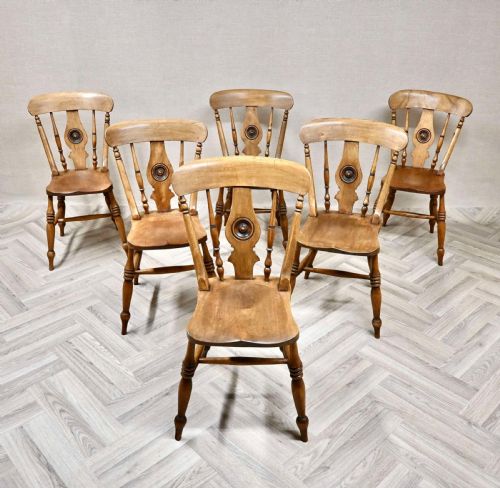
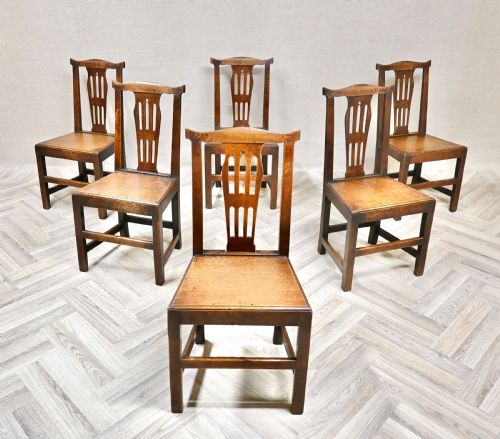
A rustic farmhouse chair covers robust dining seats, armchairs, benches, bar stools, and rocking chairs built for practical household use. These pieces emerge from the nineteenth century, including Victorian periods, alongside later nineteenth and early twentieth-century examples.
Buyers meet regional British and continental styles, such as English country, French provincial, and specific vernacular forms like Thames Valley stick backs or Yorkshire rocking chairs. They function daily around dining tables or within kitchens, designed for hard work rather than formal display.
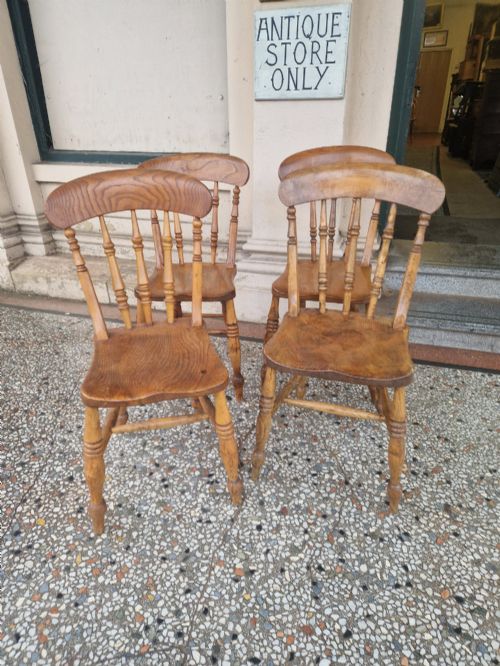
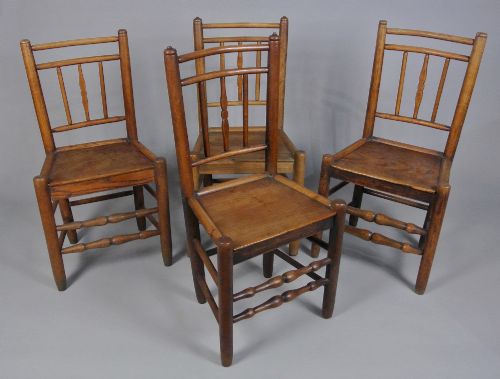
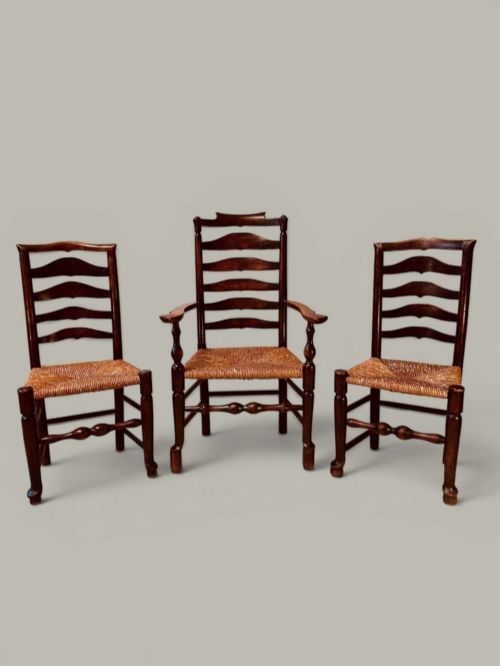
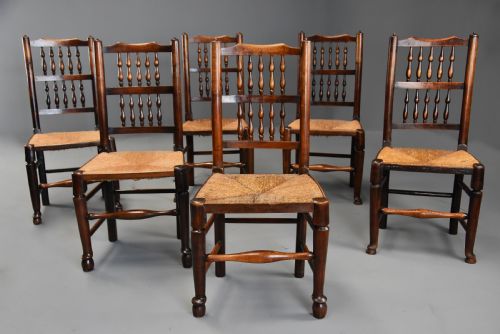
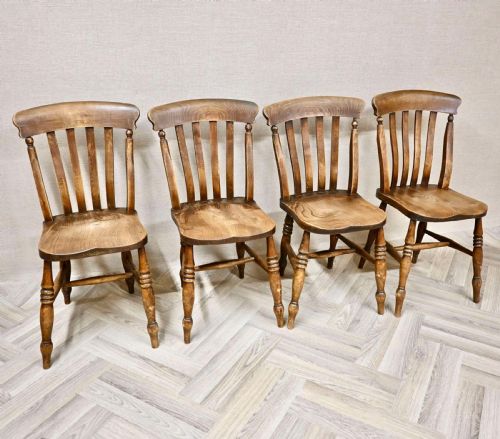
Sets frequently appear alongside individual items, ranging from matched multiples to harlequin collections gathered over time. The form prioritises bodily support and sturdy construction over delicate ornamentation.
Materials and construction methods
Local cabinet makers and bodgers relied on native hardwoods, pairing elm seats with ash, beech, or oak for spindles, legs, and frames. Pine and hardwood also appear across benches and specific provincial chairs, utilising the natural strength of unveneered timber.
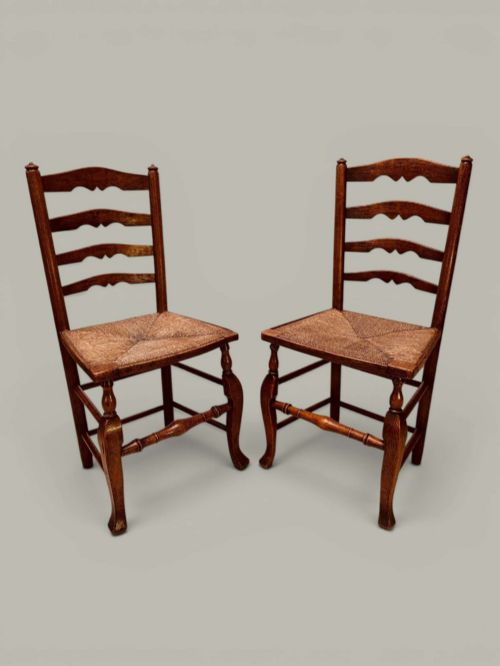
Joinery techniques involve turned components fitted directly into heavy plank seats, often reinforced with double stretchers for daily stability. Rush seating also provides woven support on ladder back and spindle back formats.
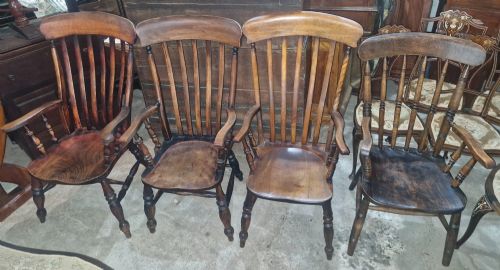
Turned details and steam-bent rails shape the backs of Windsor and comb back varieties, distributing weight evenly through flexible construction.
Rustic Farmhouse Chair Retail Price Guide 2026
Typical asking prices for rustic farmhouse chair among the pieces listed under this phrase on Sellingantiques today, from the lower quarter to the upper quarter. They describe what is for sale here now, not the wider market.
Some nineteenth-century makers cleverly mismatched wood types within a single chair, using tough elm for the seat and springy ash for the bending spindles.
Judging build and material quality
Quality rests in the integrity of the timber selection, where dense grain in elm seats and well-turned hardwood spindles sustain decades of heavy use. Superior examples maintain tight joints and original wedged construction without excessive modern intervention.
Proportion and comfort elevate certain chairs, particularly where armchairs offer deep seating or comb backs maintain balanced structural geometry. The depth of surface character, gained through decades of natural friction and waxing, separates honest vernacular pieces from heavily sanded examples.
The Rustic Farmhouse Chair Glossary
- Windsor chair
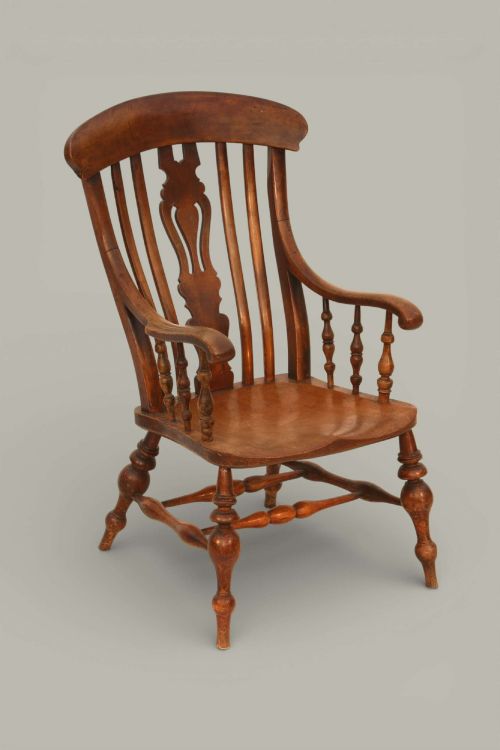
- A wooden chair featuring a heavy solid timber seat into which the legs and back spindles are directly inserted. This design provides structural strength through socketed joints.
- Harlequin set
- A collection of dining chairs sharing a similar period, style, or material while varying slightly in individual detail. These groups were assembled over time rather than produced as a single workshop batch.
- Comb back
- A Windsor chair variation where the top rail resembles a small comb, with vertical spindles rising through a bentwood arm bow. This adds back support for daily kitchen use.
- Rush seat
- A woven seating surface made from dried marsh grasses twisted into cords. It offers a resilient, flexible base for ladder back and spindle back chairs.
- Stick back
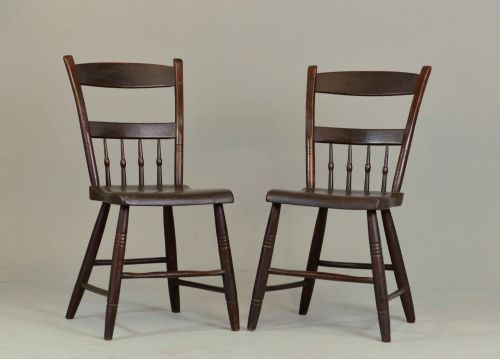
- A minimalist chair style where turned wooden rods form the back support without a central splat. They connect a lower seat directly to a curved top rail.
Rustic Farmhouse Chair: Frequently Asked Questions
What defines a true farmhouse chair?
A true farmhouse chair relies on sturdy native timbers like elm, beech, and ash, built for daily utility rather than formal parlour display. Their construction prioritises simple joinery, comfort, and robust service over ornamental carving.
They carry the marks of working environments, often showing turned spindles, solid plank seats, and vernacular regional designs shaped by nineteenth-century makers.
How do I care for antique wooden chairs?
Maintain these chairs by applying natural beeswax occasionally to nourish the dry timber and protect the historic surface. Avoid placing them near direct heat sources or strong sunlight, which causes wood to split.
Regular dusting with a soft cloth keeps the finish intact without stripping the accumulated character built up over generations.
Are harlequin sets practical for dining?
Harlequin sets provide a flexible seating arrangement around a kitchen or dining table while retaining a unified period aesthetic. Because the individual chairs share general heights, materials, and nineteenth-century forms, they blend naturally together.
This approach mirrors how households historically gathered and replaced furniture over time.