


Rustic Elm Plank Table
These rustic elm plank tables are solid country furniture built for daily work and dining, bringing honest grain and centuries of timber character straight to your kitchen.
Rustic Elm Plank Table
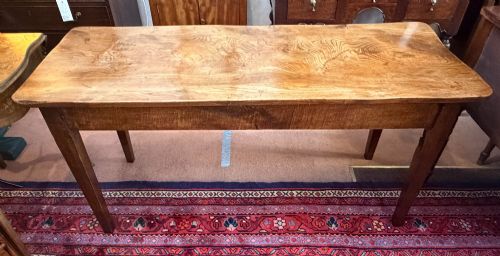
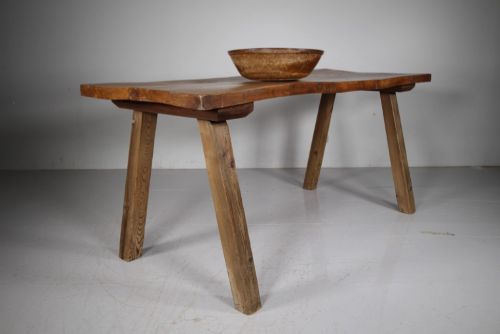
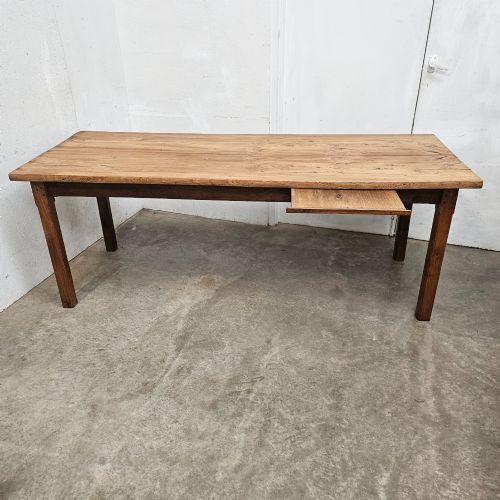
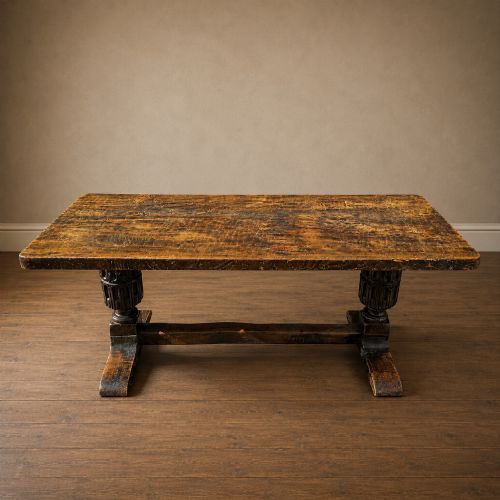
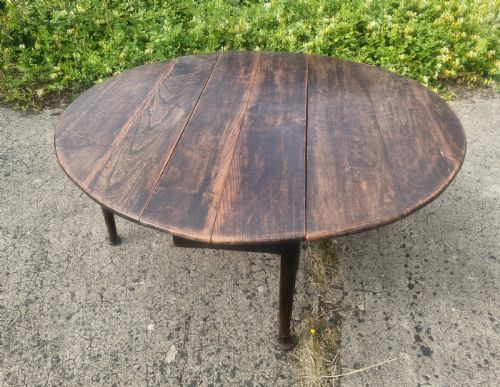
The surfaces showcase prominent wood grains and natural board joins, often configured as single-plank or two-board tops resting on simple frames. They span everyday farmhouse dining requirements as well as lower coffee table proportions built from hardwood timber.
Originating largely from regional workshops in England and France, these tables reflect utilitarian domestic life. Their forms remain straightforward, prioritising robust plank construction and heavy timber over elaborate carving.
Construction and materials
Makers built these tables primarily using elm, oak, and pine, combining hardwood tops with supporting timber frames. Elm provided tough, interlocking grain suitable for heavy-use plank surfaces, while oak and other hardwoods formed sturdy legs and stretchers.
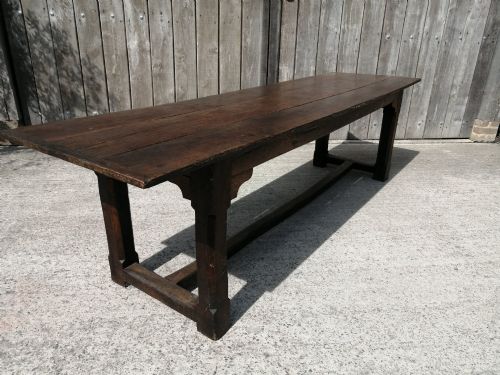
Construction relied on straightforward joinery suited to country workshops, securing thick timber planks across solid trestle or refectory bases. Surfaces were left with minimal intervention to display the natural figure of the wood.
The inventory combines elm, oak, and pine timbers across dining, coffee, and trestle table formats.
Judging quality in plank tables
The character of the timber top largely dictates the visual weight of the piece, with thicker single-plank surfaces and well-matched two-board tops offering superior visual continuity. The integration between the heavy top and the supporting base determines the overall stability and proportion of the table.
Age and structural honesty separate examples, as centuries of domestic use leave honest marks while retaining the integrity of the original framing. Tables that maintain their early timber without excessive structural replacement command greater appreciation among collectors.
The Rustic Elm Plank Table Glossary
- Plank top
- A table top constructed from wide boards joined lengthwise rather than multiple small staves. This method defines the primary surface aesthetic of country tables.
- Refectory table
- A long narrow dining table traditionally used in communal halls. These sturdy forms often feature stretcher rails connecting the legs near the floor.
- Trestle table
- A table consisting of two or more support frames connected by a longitudinal beam holding the top. This design allows maximum legroom along the length of the boards.
- Elm
- A durable hardwood noted for its interlocking grain and resistance to splitting. It serves as the principal timber for the heavy tops seen in these pieces.
- French provincial
- A regional furniture style originating from French rural areas. It emphasises practical domestic utility and local timbers over courtly ornamentation.
Rustic Elm Plank Table: Frequently Asked Questions
What is a rustic elm plank table?
These tables are robust domestic pieces featuring thick wooden boards mounted on simple frames. They were built for heavy daily use in country kitchens and dining rooms.
Most examples date from the seventeenth, eighteenth, and nineteenth centuries, originating from English and French regional workshops.
How do I clean an old elm table?
Dust the surface regularly with a dry or slightly damp cloth, avoiding harsh chemical polishes that damage antique wood finishes. Preserve the natural dry timber character by applying suitable beeswax sparingly.
Keep the wood away from direct heat sources and extreme humidity fluctuations to prevent the heavy planks from warping or splitting.
Are these tables suitable for daily dining?
These pieces were originally constructed for heavy everyday use and remain exceptionally sturdy for modern dining. Their solid hardwood tops handle family meals and gatherings with ease.
Using placemats and coasters helps protect the historic timber surface from moisture rings and heat marks while you live with the piece.
How do I tell an 18th-century table from a 19th-century one?
Eighteenth-century and earlier pieces typically show construction marks from hand tools and older joinery methods in the underframe. They often feature heavier oak framework supporting the primary elm boards.
Nineteenth-century examples may incorporate simpler framing or slightly more uniform plank preparation while retaining the traditional country farmhouse aesthetic.