

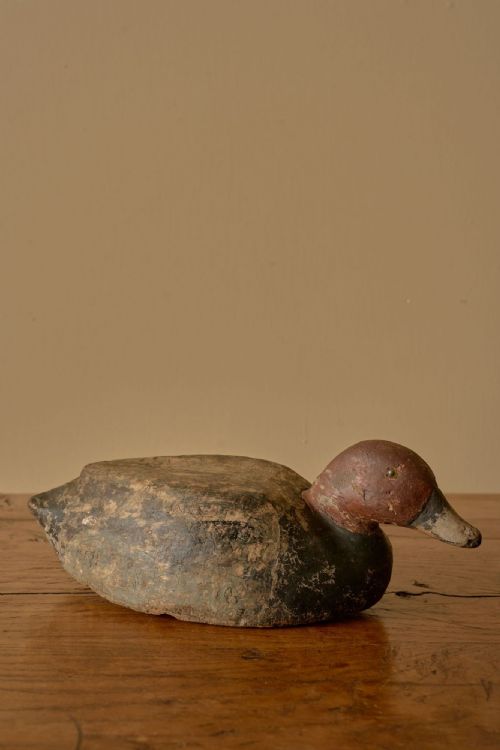
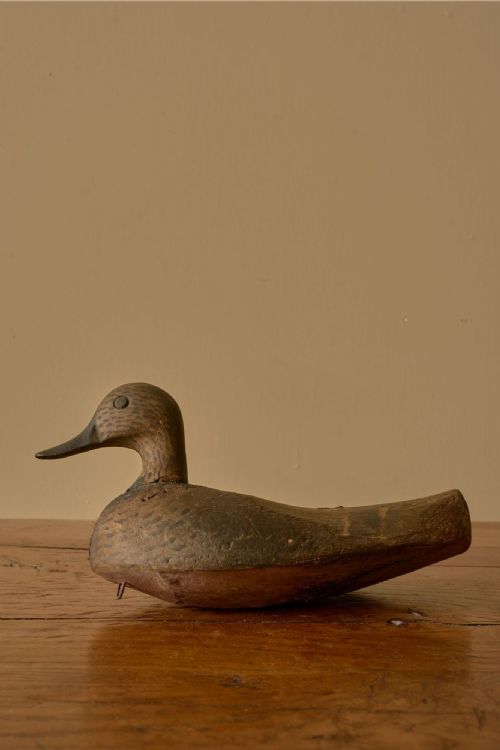
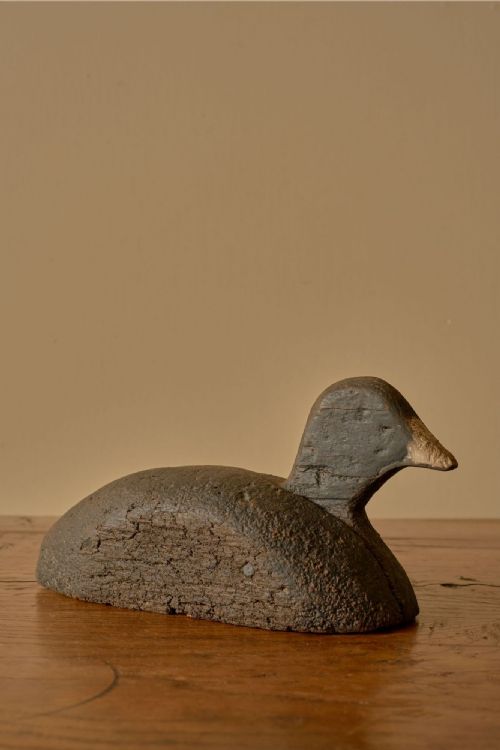
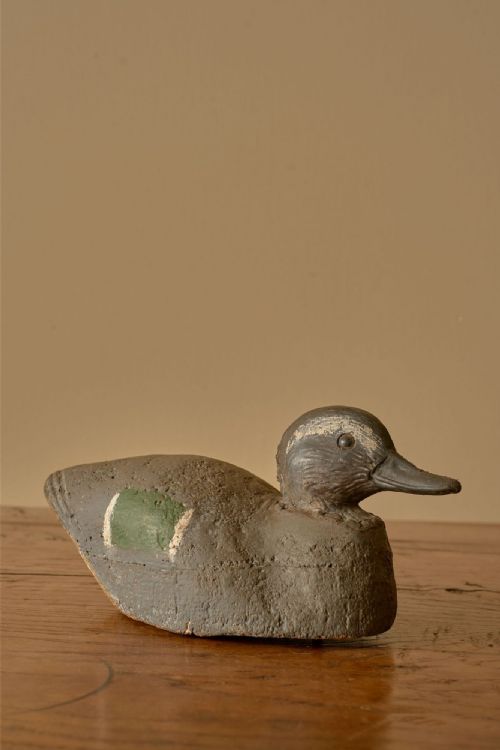

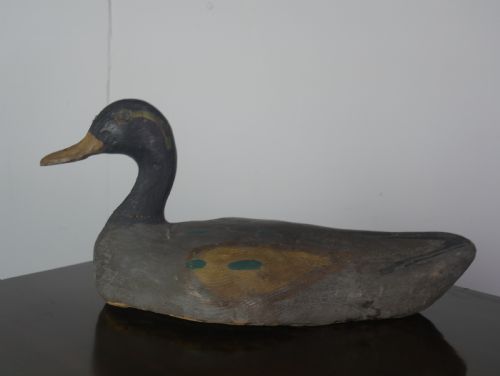


Rustic Duck Sculpture
These rustic duck sculpture pieces bring authentic folk art character to a room, offering the charm of antique decoys and hand-crafted water birds.
Rustic Duck Sculpture
A rustic duck sculpture encompasses traditional decoy ducks and decorative folk art studies shaped from timber, carved wood, and papier mâché. Buyers hunting for these pieces will frequently encounter early twentieth-century examples alongside Edwardian and nineteenth-century works.
The dominant forms on this page include hand-painted working decoys and decorative water birds originating from French and English makers. These sculptures range from straightforward carved timber bodies to textured studies incorporating straw and paint.
Collectors seek these items for their strong connection to vernacular craft traditions and utilitarian animal figures. Each object displays the straightforward carving methods and surface treatments typical of early folk art.
How they were made
Artisans shaped these sculptures primarily from solid wood, timber, and occasionally papier mâché combined with straw. The bodies were hand-carved to mimic the natural posture of water birds and working decoys.
Surfaces were frequently finished with paint to delineate plumage and give the carved material a realistic appearance. These straightforward construction methods relied on hand tools and local materials rather than industrial production.
Rustic Duck Sculpture Retail Price Guide 2026
Typical asking prices for rustic duck sculpture among the pieces listed under this phrase on Sellingantiques today, from the lower quarter to the upper quarter. They describe what is for sale here now, not the wider market.
The selection includes both English and French pieces, categorised across folk art studies, decorative objects, and working decoy ducks.
What varies in quality
Quality in a rustic duck sculpture rests on the strength of the carving and the character of the original paint surface. Pieces that retain their early hand-applied pigments demonstrate more visual appeal than those with later or scrubbed finishes.
The sophistication of the silhouette and the tactile qualities of the carved wood separate standard examples from superior folk art studies. Proportions that accurately capture the natural posture of a duck elevate the standing of the piece.
The Rustic Duck Sculpture Glossary
- Decoy duck
- A carved or constructed waterfowl figure originally utilised to lure real birds within shooting range. These working objects now function purely as decorative folk art.
- Papier mâché
- A composite material consisting of paper pieces or pulp bound with glue or paste, sometimes reinforced with other materials like straw. It allows artisans to mould lightweight sculptural forms.
- Edwardian
- Pertaining to the reign of King Edward VII, spanning the early years of the twentieth century. Items from this period often reflect transitional design styles between Victorian heaviness and later minimalism.
Rustic Duck Sculpture: Frequently Asked Questions
What is a rustic duck sculpture?
A rustic duck sculpture is a hand-carved or modelled water bird, often originating as a working decoy or folk art study from the nineteenth or early twentieth century.
These pieces are typically made from wood, timber, or papier mâché and reflect traditional craftsmanship from English and French makers.
How were decoy ducks used?
Decoy ducks were originally placed on the water or shoreline by hunters to attract wild waterfowl within range.
Over time, many of these utilitarian objects transitioned into decorative items appreciated for their folk art aesthetic and craftsmanship.
How do I date a decoy?
Dating a decoy involves examining the materials, tool marks, and surface paints used in its construction.
Earlier pieces from the nineteenth century or Edwardian era often display hand-carved details and layered, aged pigments distinct from later reproductions.
How do I style these ducks?
These sculptures suit rustic, traditional, or eclectic interiors where natural materials and historical objects take centre stage.
Display them on bookshelves, sideboards, or mantelpieces to introduce texture and an understated vernacular charm to a room.