






Rustic Display Table
These rustic display table pieces are practical timber furniture items for showing wares or objects, combining robust workshop utility with decorative character.
Rustic Display Table
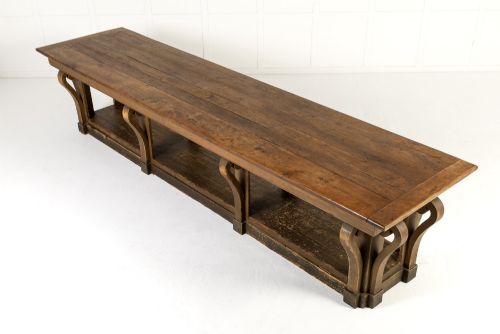
When you search for a rustic display table, you are looking at substantial timber furniture designed to present objects rather than for ordinary domestic dining or writing. The examples on this page span the nineteenth century and the early twentieth century, taking forms such as drapers tables, shop fittings, and console tables.
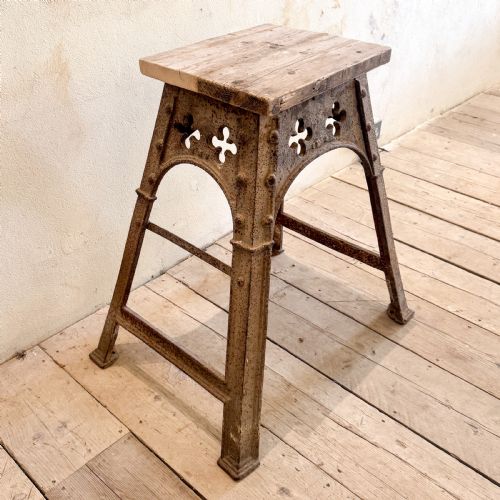
The versions you are most likely to meet here include French drapers tables in bleached or painted oak and pine, alongside industrial metal stands and shop counters. Origins lean towards French provincial pieces and British utilitarian workshops.
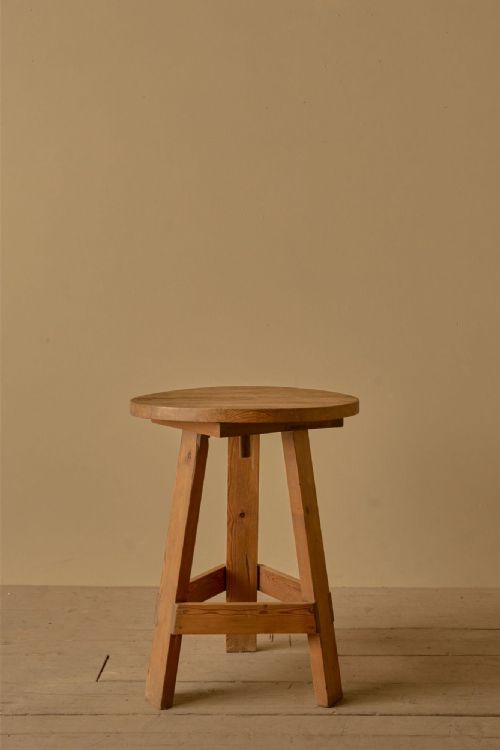
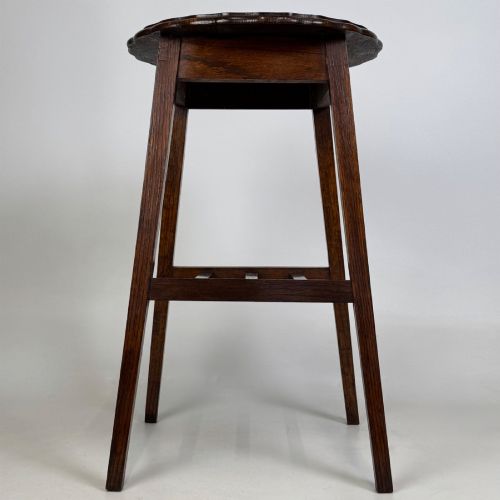
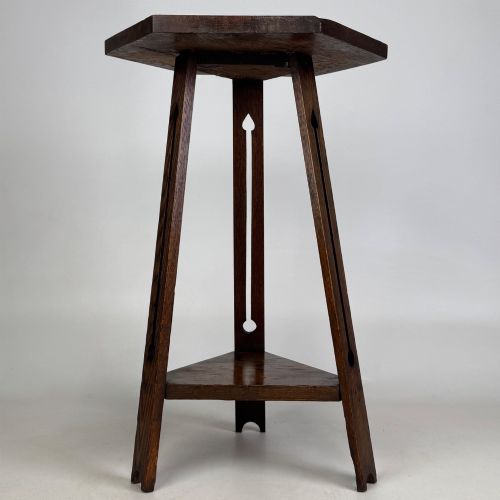
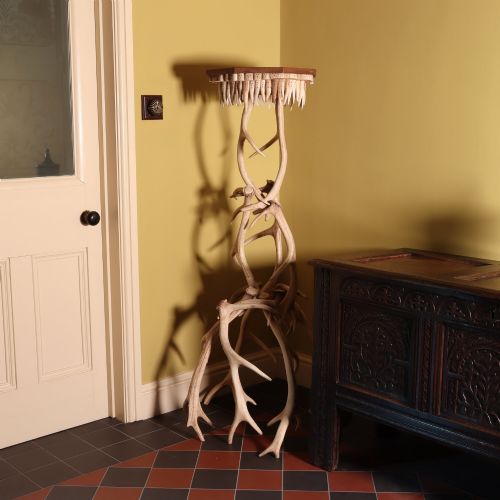
Object types stretch from low side tables and occasional tables with shaped or hexagonal tops to tall sculptors stands and pedestals. Each piece carries the marks of commercial or workshop use, from scrubbed timber tops to original painted surfaces.
How they were made
Construction relies on sturdy native timbers, predominantly oak and pine, selected for sheer durability under heavy daily use. Workshop joinery is straightforward and robust, prioritising structural stability over hidden refinement.
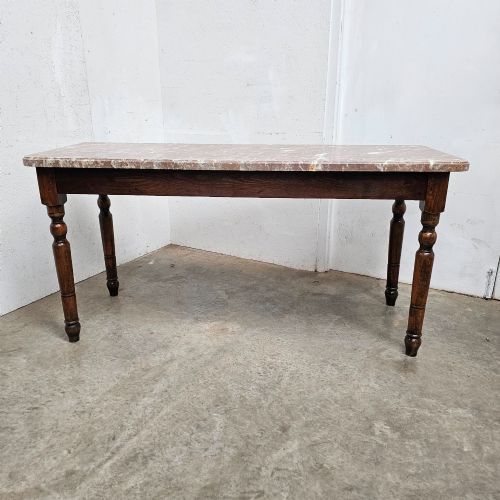
Surfaces show specific utilitarian treatments, such as scrubbed softwoods, originally painted finishes, and heavy cast iron or industrial metal reinforcement. Marble tops appear on specialised patisserie display tables, offering a cool, wipeable surface for perishable goods.
Details include shaped timber tops, gypsy style turnings, and pegged joints that keep frames rigid over decades of movement in shops and studios.
Rustic Display Table Retail Price Guide 2026
Typical asking prices for rustic display table among the pieces listed under this phrase on Sellingantiques today, from the lower quarter to the upper quarter. They describe what is for sale here now, not the wider market.
Materials recorded across these tables span oak, pine, cast iron, marble, and painted softwood.
What varies in quality
The distinction between ordinary utility items and superior examples lies in the integrity of the original surfaces and the proportion of the frame. Tables retaining their genuine unstripped paint or deeply scrubbed period patination command greater interest than those subjected to modern sanding.
Timber selection dictates the character of the piece, with dense quarter sawn oak holding an edge and grain superior to plain utility softwood. Original hardware, such as cast iron brackets or maker stamps on shop fittings, elevates a piece beyond basic carpentry.
Proportion and scale separate simple work benches from refined display furniture, particularly where shaped tops or patisserie marble slabs require exact balance.
The Rustic Display Table Glossary
- Drapers table
- A long utilitarian table originally utilised in fabric shops for folding cloth, characterised by lower shelves and wide timber boards.
- Patisserie display table
- A commercial shop counter featuring a fitted marble slab top designed for the hygiene requirements of food preparation and display.
- Sculptors stand
- A heavy rotating or static pedestal utilised in artists studios for supporting heavy clay models or stone during carving.
- Shop fitting
- Fixtures and furniture built specifically for commercial retail environments rather than domestic residential settings.
- Softwood
- Timber derived from conifers such as pine, frequently painted in period settings for a clean finish.
Rustic Display Table: Frequently Asked Questions
What is a rustic display table used for?
These tables provide robust surface area for showing collections, books, or decorative objects in living spaces and retail settings.
Their utilitarian origins mean they handle daily weight comfortably while adding architectural character to a room.
How do I identify a drapers table?
Drapers tables are typically long and narrow, featuring deep timber boards on top and open lower shelving for storing rolls of fabric.
They originate from nineteenth century retail shops and show honest wear across the working surfaces.
Are marble top tables difficult to maintain?
The marble slabs on patisserie tables wipe clean easily with damp cloths, though acidic liquids can etch polished stone surfaces over time.
Most period display tables feature unpolished or honed marble that accepts natural ageing gracefully.
What is the difference between pine and oak display tables?
Oak offers a denser grain and greater structural rigidity, often appearing in forms designed to carry heavy loads like workshop benches and sculptors stands.
Pine provides a lighter alternative that frequently carries original painted finishes from nineteenth century shop interiors.