

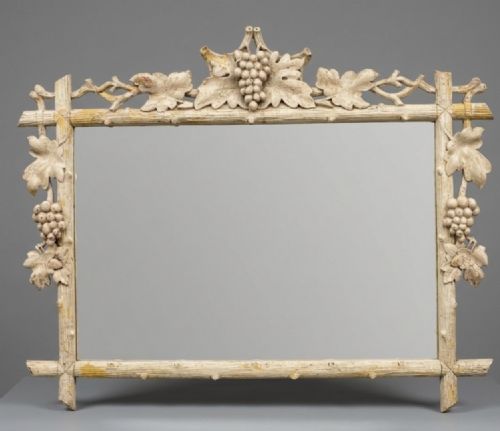


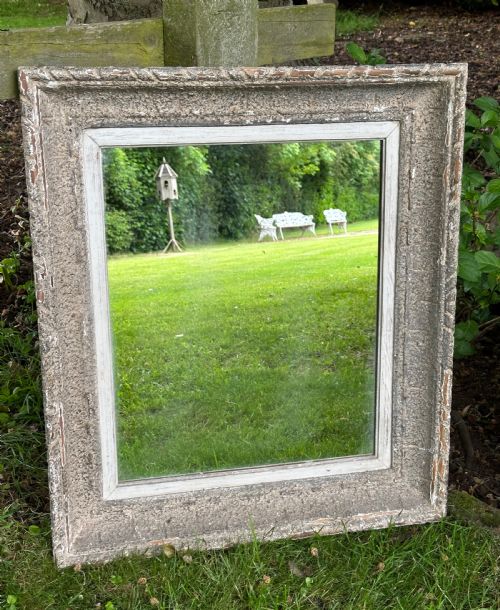
Rustic Country Wall Mirror
A rustic country wall mirror brings warmth and character to a room through honest timber frames and time-worn painted surfaces.
Rustic Country Wall Mirror
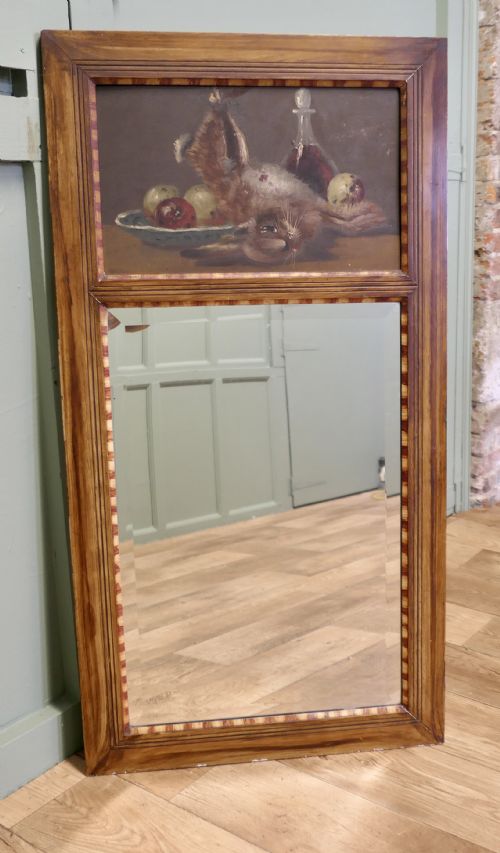
The selection here draws heavily on French country and Victorian aesthetics, alongside regional expressions such as folk art and Victorian rustic. Buyers encounter tall trumeau pier mirrors, scrubbed oak frames, and painted bistro mirrors designed to hang simply on domestic walls.
Makers utilised local timbers and readily available materials to build mirrors that served everyday interior needs. The forms range from fret cut bleached frames to large carved wood structures, each carrying the distinct visual language of its period of origin.
How they were made
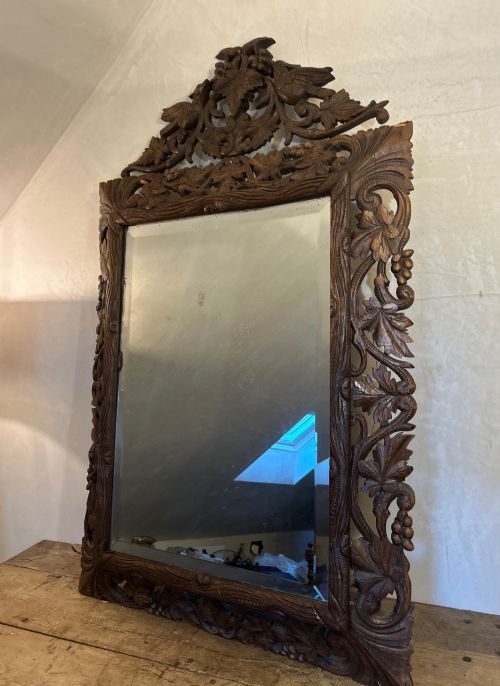
Construction relies upon solid timbers such as oak and pine, shaped by hand using traditional woodworking joints to support the weight of heavy glass plates. Craftsmen carved floral motifs, geometric patterns, or naturalistic textures directly into the wood before applying layers of paint, gesso, or clear finishes.
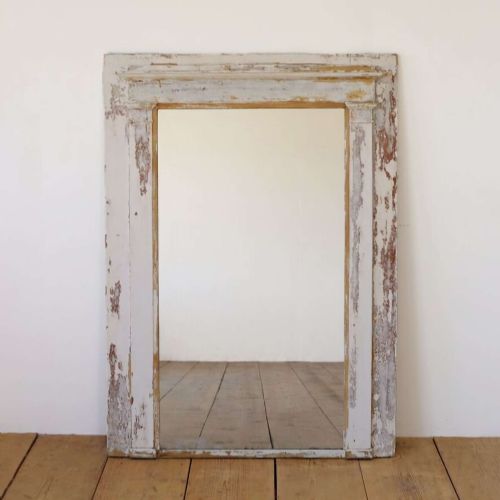
Surface treatments define much of the visual character, with painted bistro mirrors and faux bois finishes imitating more expensive materials or simply sealing the underlying wood. Glazing techniques involved securing mirror glass behind deep rabbets, sometimes utilising fret cutting to create lighter decorative borders around the reflective plate.
Rustic Country Wall Mirror Retail Price Guide 2026
Typical asking prices for rustic country wall mirror among the pieces listed under this phrase on Sellingantiques today, from the lower quarter to the upper quarter. They describe what is for sale here now, not the wider market.
The listings feature mirrors spanning the eighteenth, nineteenth, and early twentieth centuries, constructed primarily from oak, pine, and painted wood.
What varies in quality
Quality rests in the integrity of the timber frame and the depth of the hand carving, where skilled execution distinguishes a utilitarian item from a piece with artistic ambition. Heavier oak structures and well-proportioned trumeau mirrors demonstrate superior structural joinery that maintains rigidity across centuries.
The preservation of original surface finishes, whether scrubbed oak, layered paint, or gesso, dictates the visual success of the piece. Subtle details in folk art construction and balanced proportions elevate certain examples above standard workshop output.
The Rustic Country Wall Mirror Glossary
- Trumeau mirror
- A tall wall mirror designed to fit on the wall space between windows, often featuring painted panels or carvings above the glass plate.
- Faux bois
- A decorative technique where artisans paint or carve wood to imitate the natural texture and grain of tree bark or branches.
- Gesso
- A plaster-like mixture applied to wooden frames as a smooth base for subsequent layers of paint or gilding.
- Fret cut
- A technique involving thin timber pierced with intricate patterns using a fine saw, creating openwork decorative borders.
- Scrubbed oak
- Timber that has been repeatedly washed and scrubbed to reveal the natural grain and light tone without heavy varnishes.
Rustic Country Wall Mirror: Frequently Asked Questions
Where should I hang a rustic country wall mirror?
These mirrors suit hallways, living spaces, and above mantelpieces where they reflect natural light and anchor the room visually. Their domestic origins allow them to sit comfortably against plain plastered walls or timber panelling.
Ensure the wall fixings match the substantial weight of older wooden frames and mirror glass. Position the mirror at a height that balances the proportions of surrounding furniture.
How do I care for the painted wooden frame?
Dust the carved wood and painted surfaces gently with a dry, soft cloth to prevent the accumulation of dirt within the crevices. Avoid chemical cleaners that might strip historical paint layers or damage exposed oak and pine.
Keep the mirrors away from excessive moisture and direct heat sources to prevent the timber from warping. Regular, gentle maintenance preserves the integrity of the original finish.
How can I tell an eighteenth-century mirror from a nineteenth-century one?
Eighteenth-century examples often display deeper hand-carved details in oak and heavier structural joinery suited to early domestic interiors. Nineteenth-century pieces frequently embrace regional styles like Victorian rustic or French country, introducing painted finishes and lighter pine frames.
Examine the backboards, fixings, and glass bevels for clues regarding manufacturing techniques of the period. Subtle shifts in tool marks and timber preparation help differentiate the decades.
What is tramp art and how does it appear on mirrors?
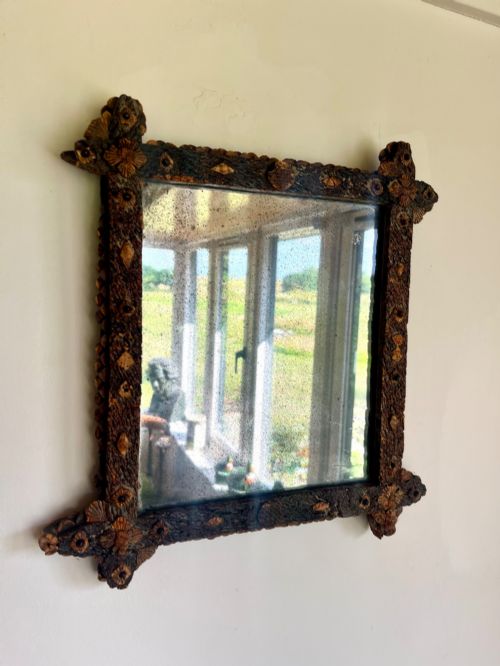
Tramp art is a form of folk art where makers carved small chips out of scrap wood and layered them geometrically to create textured frames. Cork tramp art incorporates recycled materials into intricate, tactile patterns surrounding the mirror glass.
These pieces reflect resourceful craftsmanship from the late nineteenth or early twentieth century. The resulting frames possess a distinct three-dimensional quality unlike standard moulded mouldings.