



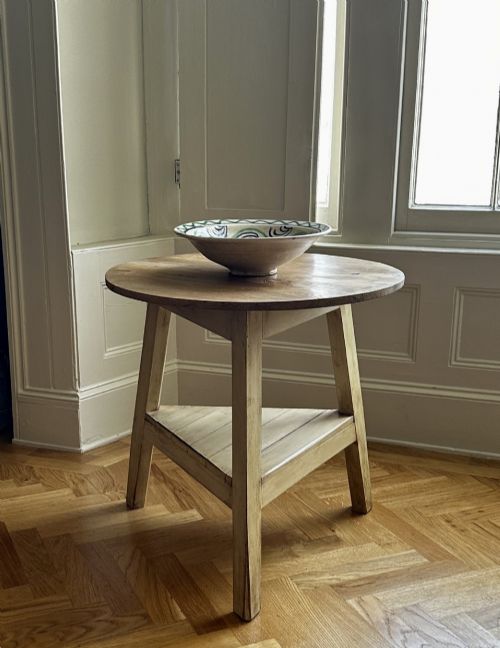
Rustic Country Cricket Table
A rustic country cricket table brings three-legged vernacular utility and robust historic character straight into any interior.
Rustic Country Cricket Table
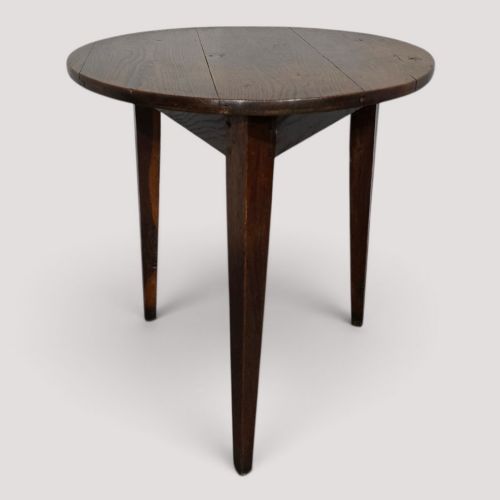
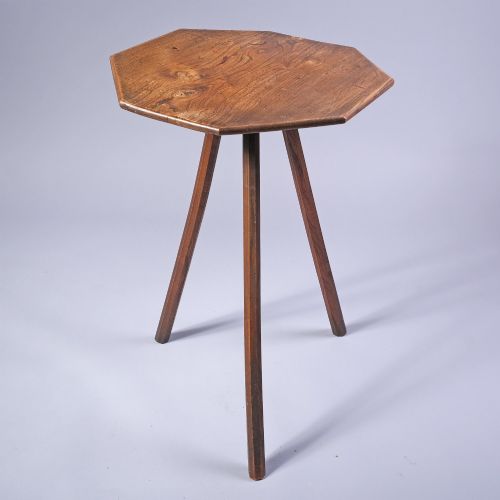
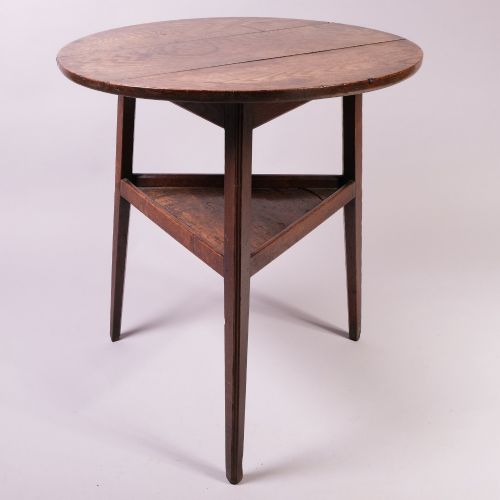
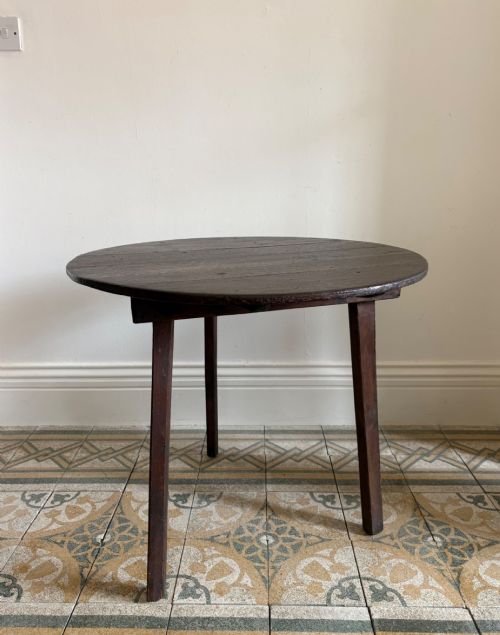
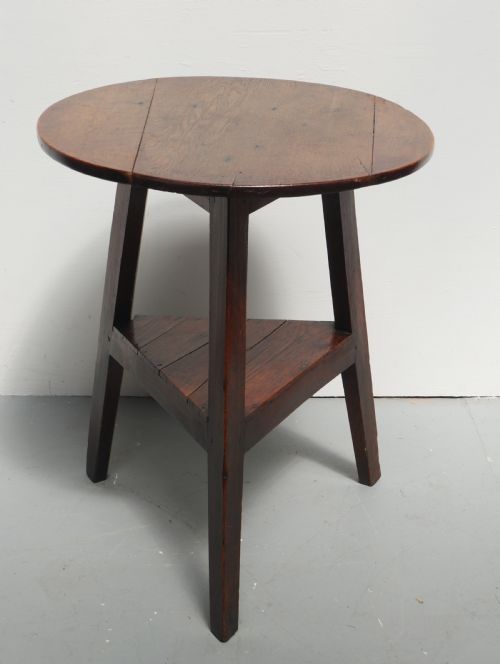
A rustic country cricket table stands on three legs to maintain absolute stability on uneven flagstone floors, making it a staple of historic domestic life. These compact circular tables appear frequently from the eighteenth and nineteenth centuries, often associated with vernacular English and Welsh traditions.
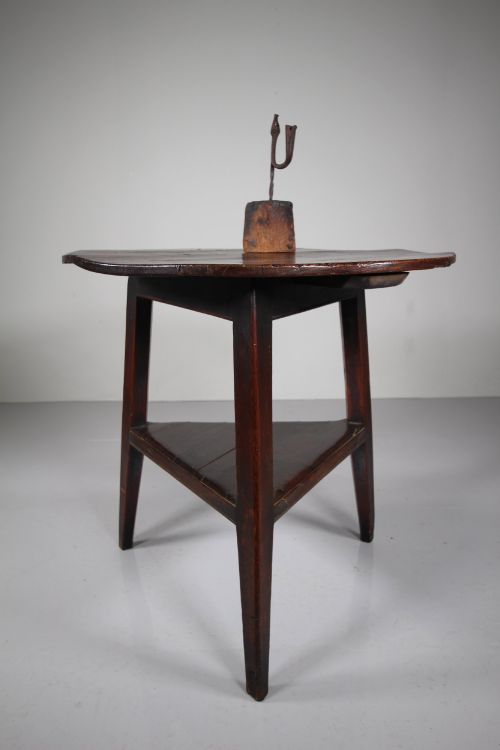
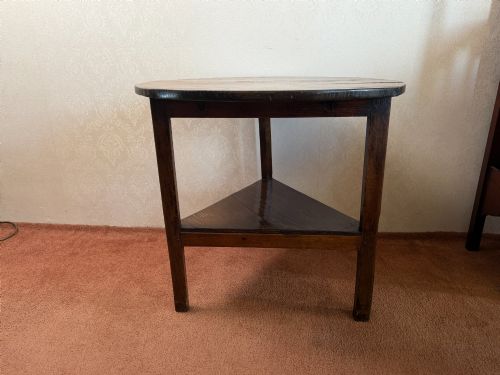
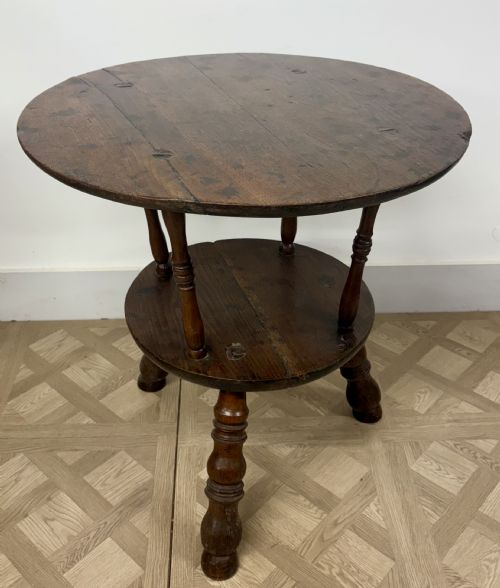
The version most commonly encountered on this page is constructed from native timbers such as oak, elm, or pine, sometimes featuring a lower tier for storage. They serve as versatile occasional tables or side tables within traditional and contemporary schemes alike.
Materials and construction
Makers utilised solid native hardwoods and softwoods, combining sturdy plank or joined circular tops with pegged legs inserted directly into the underside. Construction relies on straightforward vernacular carpentry techniques without elaborate metal fixings.
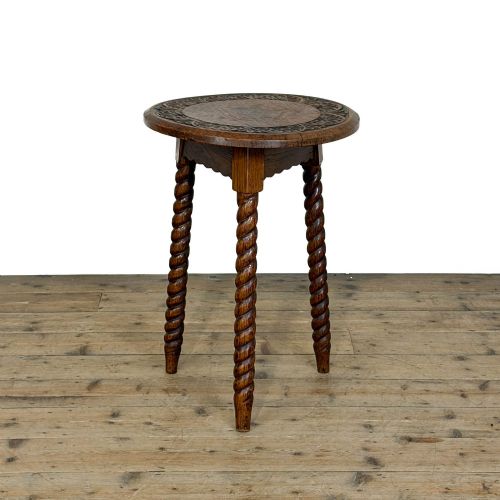
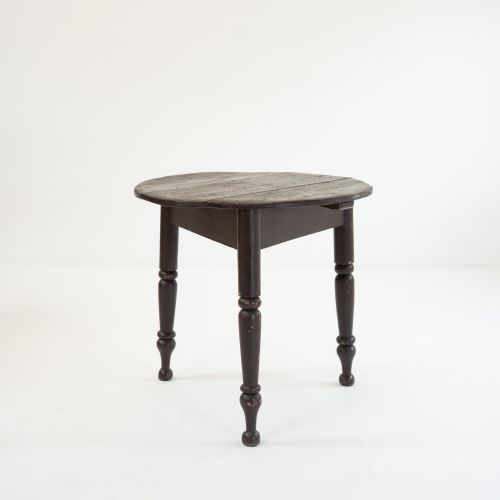
Surfaces range from scrubbed or bleached bare timber to historic painted finishes or polished oak and pollard oak grains. Bobbin-turned legs and pad feet appear alongside simple tapered or round supports, reflecting regional workshop styles.
Regional Welsh examples appear alongside English country styles, showcasing variations from Snowdonia and Monmouthshire.
What separates examples
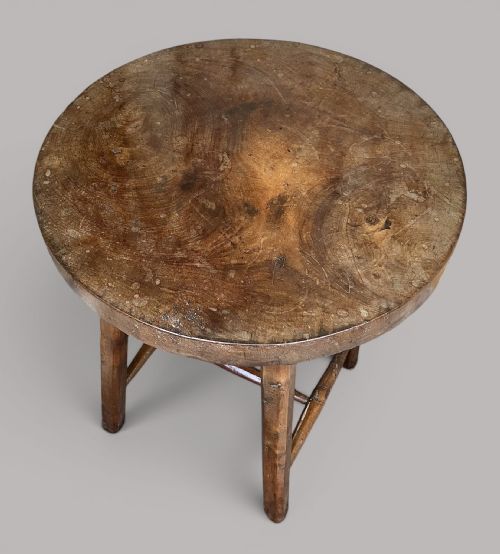
Quality rests in the integrity of the timber selection and the retention of original surface patination. Tables featuring dense grains, such as pollard oak or early elm, show greater substance than simpler painted pine variants.
Proportion and stance dictate the visual success of the piece, particularly where legs meet the top with secure pegged joints. Untouched historic surfaces carry more authority than pieces with modern interventions.
The Rustic Country Cricket Table Glossary
- Cricket table
- A small three-legged circular table dating primarily from the seventeenth to the nineteenth centuries. The three-legged design prevents rocking on irregular cottage floors.
- Vernacular
- Everyday utilitarian furniture made by local regional carpenters rather than high-style urban cabinetmakers. These pieces rely on native timbers and traditional local methods.
- Trefoil top
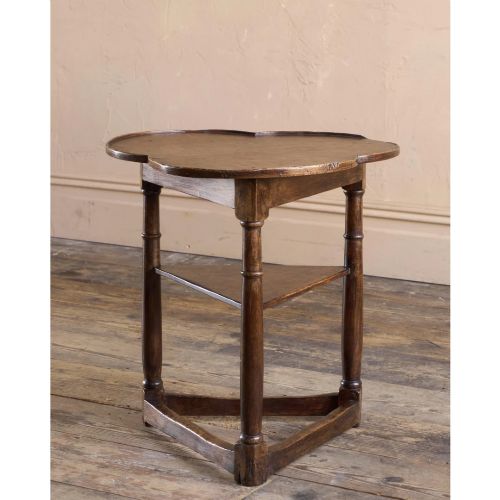
- A circular table top subtly shaped with three lobes or points. This uncommon variation adds distinct decorative character to the standard round format.
- Pad foot
- A rounded, flattened foot terminating the bottom of a table leg. It distributes weight evenly and lifts the end of the support slightly.
Rustic Country Cricket Table: Frequently Asked Questions
What is a cricket table used for?
Historically, these three-legged tables served multiple domestic purposes in everyday rural life, accommodating everything from tankards to sewing work.
Today, they function well as compact side tables or occasional tables next to chairs and sofas.
How do I date an oak cricket table?
Dating relies on observing construction marks, timber shrinkage, and the style of the turned legs. Eighteenth-century examples often display pegged joints and dense, dark oak patination.
Nineteenth-century versions frequently incorporate pine or ash alongside alternative leg forms like bobbin turning.
Why do they have three legs?
Three legs guarantee that the table sits firmly on uneven flagstone or floorboards without wobbling. Every leg maintains contact with the ground simultaneously.
This practical feature defined vernacular furniture made for rural cottages and taverns.
Where were these tables made?
Makers produced them across English and Welsh rural workshops using whatever native timber was locally abundant. Regions like Wales and Monmouthshire developed distinct vernacular traits.
Local carpenters built them for domestic use rather than royal or urban commission.