




Rustic Cast Iron Stand
A rustic cast iron stand brings robust utility and industrial character to interiors and gardens alike.
Rustic Cast Iron Stand
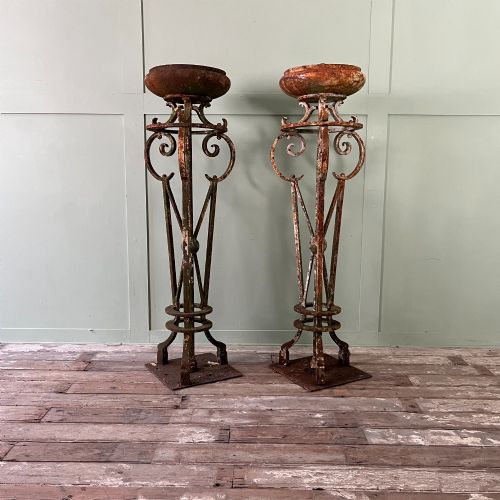
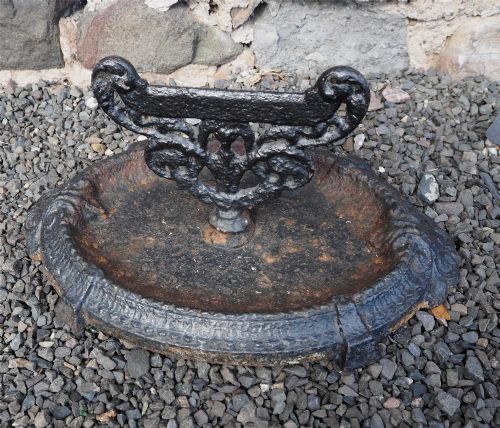
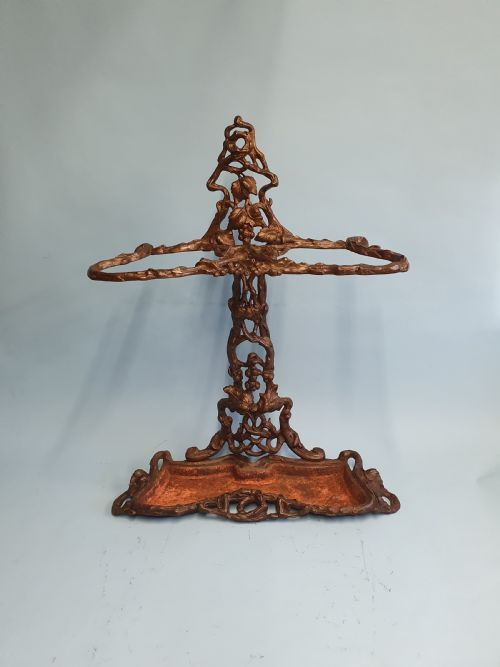
When searching for a rustic cast iron stand, buyers encounter utilitarian and decorative metalwork spanning the Victorian, Edwardian, and early twentieth-century periods. These pieces include boot scrapers, stick stands, plant stands, gueridon tables, and garden furniture, reflecting both domestic and industrial origins.
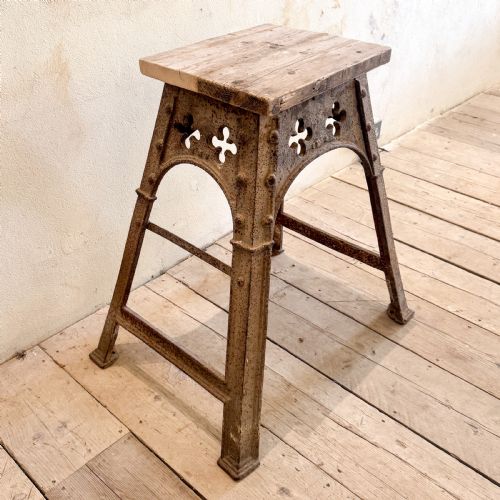
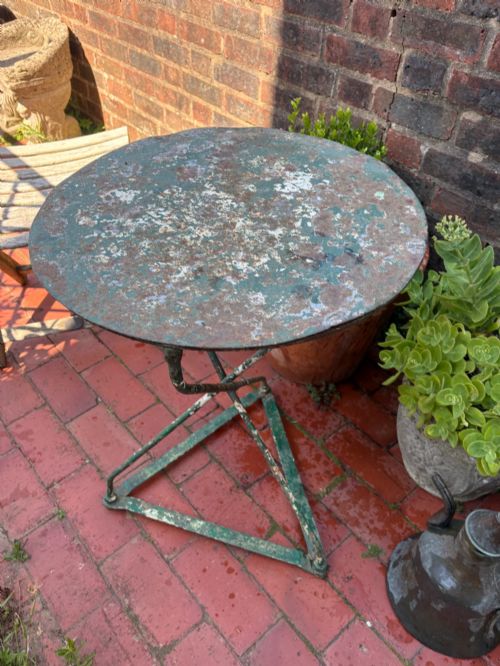
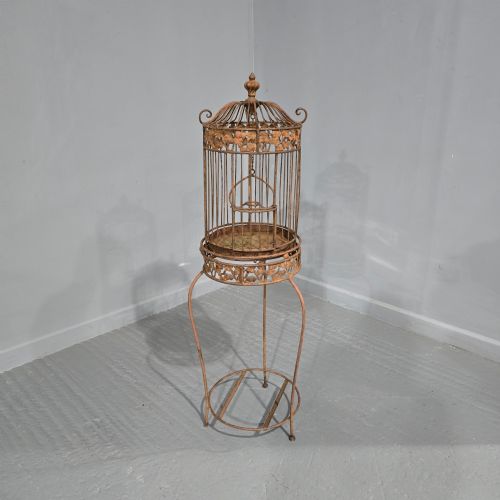
The most frequent examples on this page are Victorian and nineteenth-century items, alongside later twentieth-century additions such as timber and iron side tables and wirework jardinieres. French country influences also appear through painted round tables and decorative plant holders.
Each object balances heavy metal structure with functional design, whether supporting garden urns, holding coats, or serving as a pan stand in a kitchen setting. Their enduring appeal lies in this straightforward combination of solid materials and practical nineteenth-century form.
Materials and construction
Construction relies heavily on cast iron and wrought iron, frequently combined with natural timber, wood, copper, and wirework to form multi-material stands and tables. Metal components are shaped through foundry casting or hand manipulation, resulting in sturdy frameworks designed for heavy everyday use.
Surfaces often show traces of original or subsequent paint finishes, particularly green paint on French models, adding protective layers as well as decorative texture. The integration of wood tops or copper elements demonstrates how makers joined dissimilar materials to create functional household furnishings.
Listings span the Victorian, Edwardian, and 1930s periods, incorporating materials such as cast iron, wrought iron, timber, wirework, and copper.
Judging quality
Quality in these stands rests upon the crispness of the iron casting and the integrity of the structural joins between metal and secondary materials like timber or copper. Finer examples display clean casting lines and well-balanced proportions that prevent wobbling, whereas lesser items may show crude surface pitting or misaligned frames.
The character of the surface finish further distinguishes the pieces, with retained early paint layers offering greater visual depth than uniform modern respray treatments. Maker attribution, such as identified foundry work, also elevates the standing of an individual piece within the broader range.
A. Kenrick & Sons
The Rustic Cast Iron Stand Glossary
- Cast iron
- A strong, hard alloy of iron and carbon poured into moulds to create intricate or robust shapes. It forms the primary structural body for the majority of these stands.
- Gueridon
- A small round table supported by a central pillar or multiple legs, often originating in seventeenth-century France. Nineteenth-century examples frequently utilise iron tripod bases.
- Jardiniere
- An ornamental stand or container designed to hold potted plants and flowers. Wirework versions bring an open, airy structure to interior and garden displays.
- Boot scraper
- A heavy metal blade or box fixed near an entrance to clean mud from footwear. They represent the purely utilitarian end of nineteenth-century ironwork.
- Strapp work
- Metalwork formed of flat straps or bands riveted together to create open frames. This technique provides lightweight strength for garden tables and plant stands.
Rustic Cast Iron Stand: Frequently Asked Questions
What were iron plant stands used for?
These stands held heavy potted plants and urns both indoors and within Victorian glasshouses or gardens. Their sturdy metal construction prevented tipping when supporting damp soil and large greenery.
They allowed gardeners to elevate delicate plants off cold stone floors to catch better light and improve air circulation.
How do I identify a Victorian stand?
Victorian pieces typically display heavier iron castings, utilitarian forms, and traditional fastening methods such as hand-cut screws or visible rivets. The style often reflects industrial practicality or ornate nineteenth-century decorative motifs.
Examination of the metal texture and any remaining paint layers helps confirm the age and period of manufacture.
Can these stands stay outdoors?
Most cast and wrought iron stands handle outdoor conditions well due to the durable nature of the metal. However, pieces incorporating natural timber or copper require more sheltered placement to prevent weather damage.
Regular maintenance and protective coatings help preserve the original surfaces against rust and moisture.
What is a gueridon table?
A gueridon is a small occasional table traditionally supported by a central column or pillar. Nineteenth-century versions often combine cast iron bases with wooden or painted tops.
Their compact footprint makes them useful as bedside tables, plant pedestals, or small side tables in tight spaces.