



Rustic Carved Tripod Stand
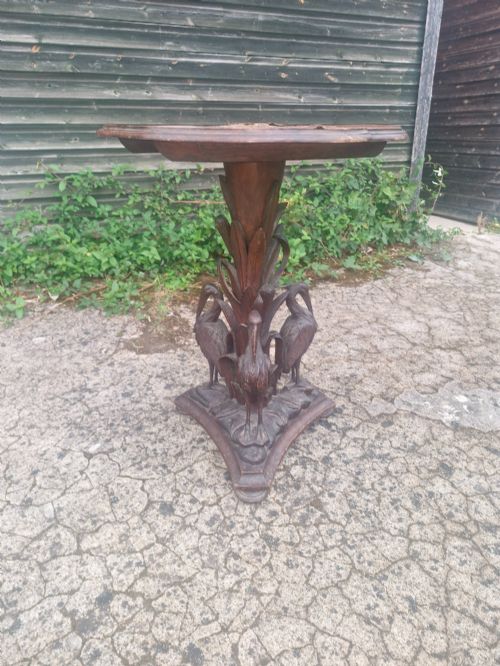
These rustic carved tripod stand pieces are solid wood occasional tables, stools, and candlesticks from the eighteenth and nineteenth centuries that bring earthy charm to a room.
Rustic Carved Tripod Stand
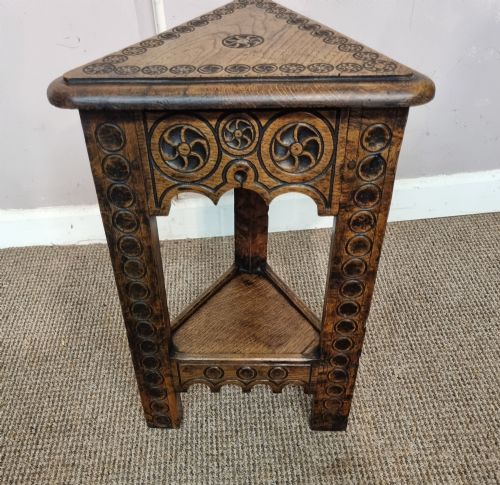
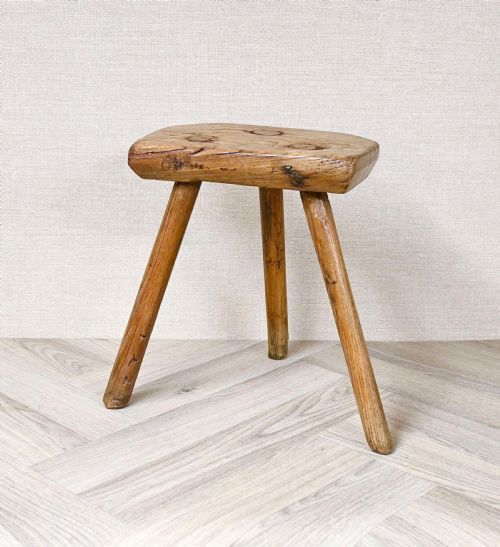
A rustic carved tripod stand is typically a small occasional table, a stool, or a candlestick resting on three supports, drawing from periods like the Victorian era, the Edwardian period, and the eighteenth century. These items appear in forms such as cricket tables, triangular lift-top tables, and circular stools.
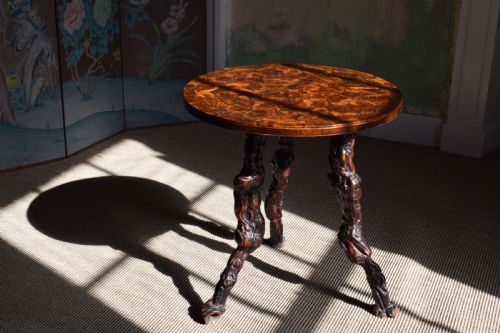
The materials span oak, pine, elm, hardwood, and grapevine wood, reflecting diverse origins from Scottish folk art to Chinese vernacular and Italian provincial styles. Buyers searching for a rustic carved tripod stand frequently encounter oak pieces bearing carved or bobbin-turned details.
How they were made
Maker construction relies heavily on solid timber, utilising oak, pine, and elm shaped into circular or triangular tops. Woodworkers employed traditional turning techniques, visible in bobbin-turned supports and sturdy legs fixed to a base.
Carving and pokerwork surface decoration bring texture to these items, alongside sculptural framing seen in grapevine wood and metal accents. The construction focuses on utilitarian strength, uniting heavy hardwood components into compact tripod footprints.
Rustic Carved Tripod Stand Retail Price Guide 2026
Typical asking prices for rustic carved tripod stand among the pieces listed under this phrase on Sellingantiques today, from the lower quarter to the upper quarter. They describe what is for sale here now, not the wider market.
What varies in quality
Quality rests upon the depth of the carving and the character of the timber, where dense oak and figured hardwood command greater attention than simple pine. The harmony between the three supports and the top dictates the physical balance of the piece.
Regional distinctiveness also separates standard utility items from skilled folk art, particularly in Scottish pokerwork or intricate Chinese provincial turning. The integrity of the original joints and surface patination further define the standing of each example.
The Rustic Carved Tripod Stand Glossary
- Cricket table
- A small three-legged wooden table originating from domestic use, traditionally featuring a round top and pegged construction. This form offers stable placement on uneven floors.
- Bobbin-turned
- A method of lathe-working timber to create a series of rounded spherical shapes resembling spools of thread. It adds decorative rhythm to table legs and stretchers.
- Pokerwork
- The art of burning designs into wood using a heated metal tool to create dark linear patterns. Scottish folk pieces frequently utilise this technique for inscriptions.
- Triangular lift-top table
- A three-sided occasional table featuring a hinged surface that opens to reveal internal storage space. These 19th-century items combine display utility with compartment practicality.
Rustic Carved Tripod Stand: Frequently Asked Questions
What is a tripod stand used for?
These pieces function primarily as small occasional tables, compact stools, or sturdy candlestick holders placed beside seating or in corners.
Their three-legged design provides natural stability on older, uneven floorboards without rocking.
How do I identify a Victorian piece?
Victorian examples often feature heavier carved oak decoration, darker patination, and specific revival motifs like Jacobean or Gothic styling.
Examining the construction methods underneath helps confirm the nineteenth-century origins of the timber.
Are all these stands made of oak?
While oak appears frequently, listings also include pine, elm, general hardwood, and unusual materials such as grapevine wood.
Each wood type brings a distinct weight, grain pattern, and colour to the finished tripod stand.
How do I care for rustic wood?
Keep these items away from direct heat sources and dramatic humidity changes to prevent the timber from splitting.
Gentle dusting and occasional wax application will maintain the natural surface finish over time.