




Rustic Carved Timber Bird
These rustic carved timber bird pieces bring unpretentious folk art charm and hand-carved character straight into your home.
Rustic Carved Timber Bird
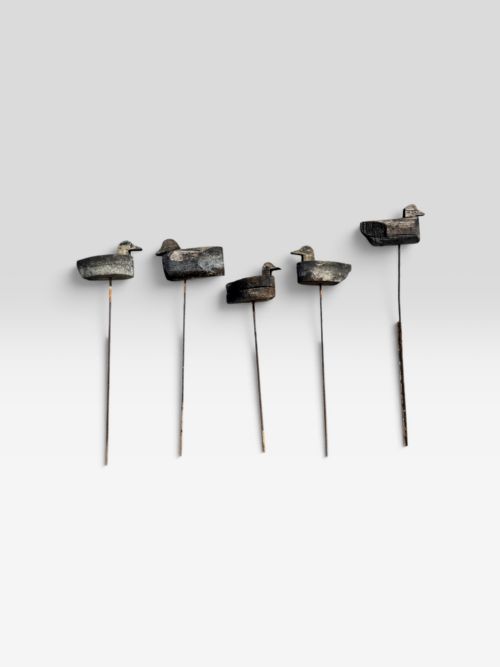
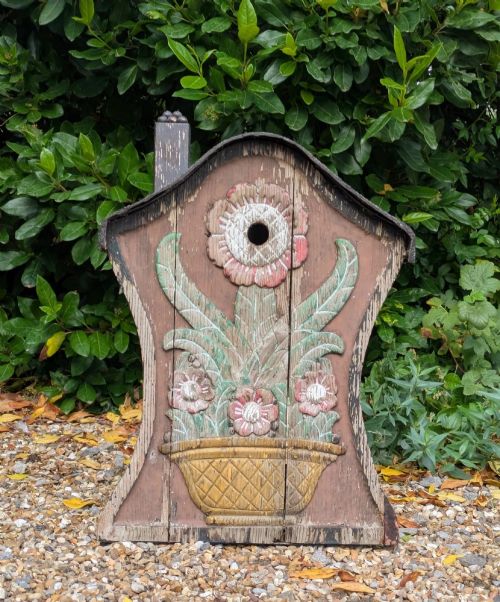
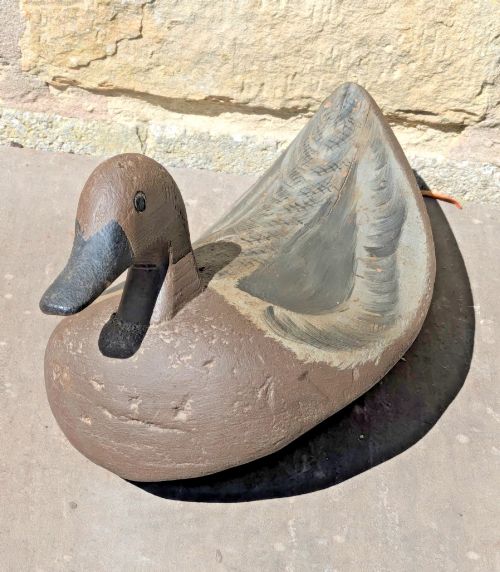
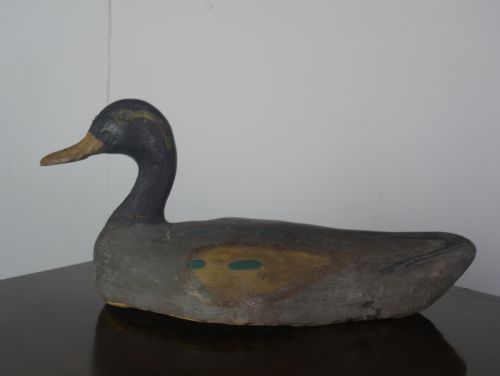
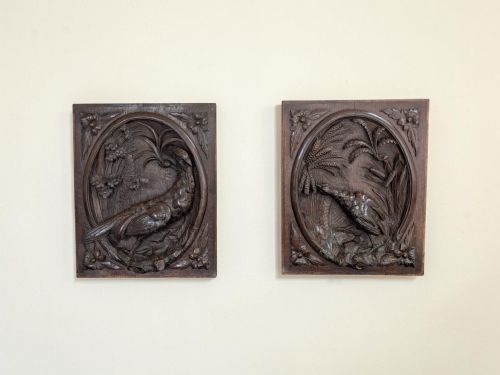
A rustic carved timber bird encompasses working waterfowl decoys, decorative sculptures, and utilitarian boxes fashioned by hand across the nineteenth and early twentieth centuries. You will most frequently encounter working and display decoys representing ducks, pigeons, and geese, alongside Black Forest animal carvings.
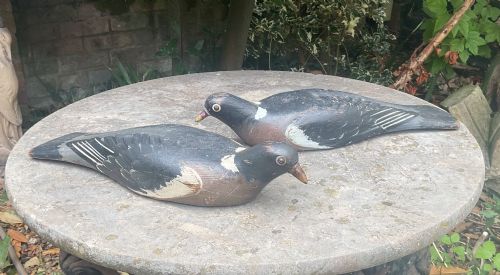
The objects span varied cultural traditions including English, American, French, and Scandinavian folk art, reflecting local wildlife and domestic uses. Forms range from solitary standing herons and eagles to pairs of painted pigeons and functional decoy ducks designed for the field.
Originating largely from the Victorian era up through the nineteen-thirties, these pieces rely on traditional hand-tool methods rather than industrial manufacturing. Their appeal lies in surface patination, tool mark visibility, and the straightforward translation of natural bird forms into solid timber.
Materials and Construction
Carvers shaped these figures primarily from accessible native timbers including pine, walnut, and general hardwoods, often finished with hand-applied oil paint or layered pigments. Iron and metal components appear occasionally in structural elements, hinges, or decorative mountings.
Makers utilised simple hand gouges and knives to rough out the block before refining the feather texture and silhouette. Surface decoration ranges from simple monochromatic washes to detailed polychrome painting designed to mimic natural plumage.
One enthusiastic Victorian carver clearly decided a humble pigeon deserved the majestic stance of an American eagle.
Evaluating Quality
The distinction between average examples and superior pieces rests on the expressiveness of the carving and the original state of the painted surface. Bold tool work and anatomical proportion separate master folk carvers from basic utilitarian makers.
Original untouched paint surfaces with natural weathering command greater interest than stripped wood or later overpainting. The balance between functional purpose and sculptural form dictates the visual strength of each object.
The Rustic Carved Timber Bird Glossary
- Decoy
- A carved or moulded figure used to attract wildfowl or pigeons during shooting. These working objects form the core of early twentieth-century rustic bird carvings.
- Black Forest
- A nineteenth-century carving style originating in Central Europe, known for highly detailed naturalistic animals and domestic furnishings in solid wood. These pieces often feature deep relief work and dark stained finishes.
- Polychrome
- Decorated in multiple colours, typically applied to wood surfaces using traditional oil or milk paints. This finish preserves the historical appearance of working decoys and folk figures.
Rustic Carved Timber Bird: Frequently Asked Questions
What were decoy birds used for?
Decoy birds served as practical tools for hunters, placed on water or in fields to attract wildfowl within range. Makers carved and painted them to mimic the exact silhouette and posture of real ducks, geese, and pigeons.
Over time, these working objects transitioned from functional field equipment into collected pieces of folk art. Their practical origins explain the robust timber construction and durable painted finishes found on surviving examples.
How do I identify the age of a wooden bird?
Dating relies on examining the tool marks left by the carver, the wear patterns on the timber, and the composition of the paint layers. Victorian and early twentieth-century pieces typically display hand-hewn surfaces rather than modern machine sanding.
Comparing the species portrayed and the regional painting style to documented folk art traditions helps narrow down the decade of production. Original surface patination provides the most reliable indicator of historical age.
Where should I display carved timber birds?
These versatile sculptures suit rustic interiors, country kitchens, and living spaces where natural textures provide a focal point. Single ducks or pairs of pigeons sit comfortably on bookshelves, mantelpieces, or side tables.
Keep wooden carvings away from direct heat sources and strong sunlight to prevent the timber from splitting and the historic paint from fading. Stable indoor humidity protects both the original wood substrate and the surface pigments.
Are Black Forest carvings different from folk art birds?
Black Forest carvings originate from a specific nineteenth-century European tradition focused on highly detailed, naturalistic rendering of animals and foliage. They often feature deep brown stained walnut and dramatic poses, such as eagles or cuckoo clocks.
Folk art birds tend to be simpler in execution, focusing on the essential shape of a duck or goose with expressive, direct paintwork. While both share a timber medium, their regional origins and aesthetic goals differ distinctively.