


French Folk Art Sculpture
These french folk art sculpture pieces bring vernacular charm and rustic character into a room, offering authentic handmade personality.
French Folk Art Sculpture
When searching for french folk art sculpture, collectors encounter vernacular creations shaped by rural craftspeople, fairground carvers, and coastal artisans. These objects span the nineteenth century through the early twentieth century, reflecting everyday trades, maritime traditions, and rural pastimes.
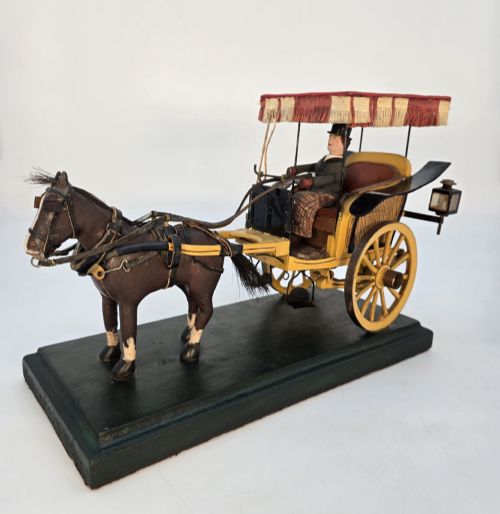
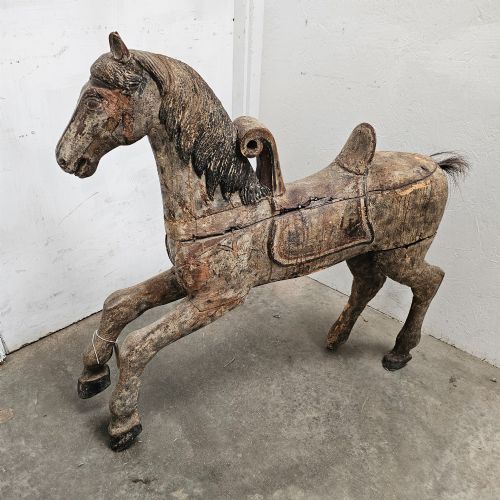
The pieces appearing on this page most commonly take the form of carved wooden animals, fairground figures, and utilitarian displays. Examples include carousel horses and pigs, decoy ducks, ceramic figures from Bavent, and scratch built models.
Origins stretch across French regions, from Normandy pottery workshops to butcher shops and seaside communities. Each item carries the distinct mark of utilitarian purpose or vernacular amusement, far removed from academic studio art.
Materials and Making
Makers shaped these sculptures primarily from carved wood, terracotta, and metal, often applying paint, fabric, and horsehair for realistic detail. Woodcarvers utilised cleft hazel, pine, and hardwoods to build figures for carousels, carriages, and butcher shop displays.
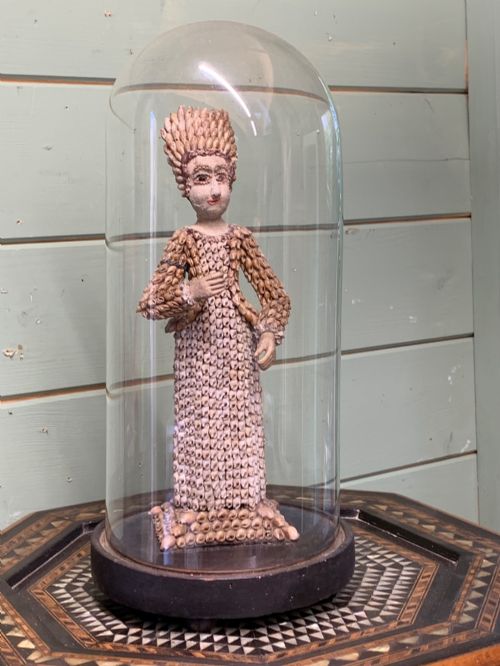
Potters in Normandy moulded terracotta into ceramic figures and roof tile ornaments, finishing surfaces with traditional glazes. Artisans combined media such as seashells, iron, and glass in maritime works like sailors figures.
A painted carousel pig ready to gallop forever across the floor.
Assessing Quality
The distinction between ordinary vernacular items and superior sculptures lies in the vigour of the carving and the preservation of original surface finishes. Bold proportions and expressive facial details in carved wooden animals elevate certain pieces well above standard workshop output.
Original paint layers, patination from decades of handling, and authentic wear dictate the visual strength of each object. Pieces retaining their early polychrome surfaces or untouched terracotta glazes demonstrate higher sculptural presence than those stripped or heavily restored.
The French Folk Art Sculpture Glossary
- Carosel horse
- A carved wooden animal created for fairground rides, typically displaying dynamic posture and decorative harness details.
- Decoy duck
- A floating wooden water bird carved to attract game, valued by collectors for simple forms and weathered paint.
- Terracotta
- Fired unglazed or glazed clay used by regional potteries, notably in Normandy, for architectural ornaments and animal figures.
- Scratch built
- An amateur or vernacular model constructed entirely by hand from raw materials rather than assembled from a commercial kit.
- Polychrome
- Decorated in multiple colours, referring here to the original painted surfaces surviving on carved wood and terracotta.
French Folk Art Sculpture: Frequently Asked Questions
What materials were used in french folk art sculpture?
Makers utilised carved wood, terracotta, iron, glass, and fabric, often finishing surfaces with paint and horsehair.
These materials reflect the accessible resources available to rural artisans and regional workshops.
How can I date a nineteenth century wooden sculpture?
Dating relies on tool marks, the type of timber, wear patterns, and the survival of original painted surfaces.
Comparative analysis with documented fairground carvers and regional craft traditions also helps narrow the period.
Where were ceramic animal figures made in France?
Potteries in Bavent, Normandy, produced notable terracotta cat and pig figures, often designed as roof tile ornaments.
These regional works combined utilitarian architectural functions with whimsical animal sculpture.
How were carousel figures used originally?
Figures like horses and pigs were mounted on fairground rides operated by mechanical organs such as Limonaire systems.
Their bold carving was designed to attract crowds and withstand constant public use.