


Folk Art Duck Carving
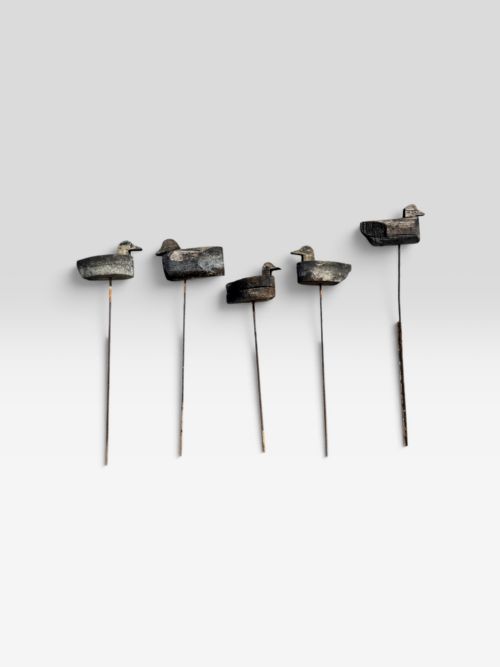
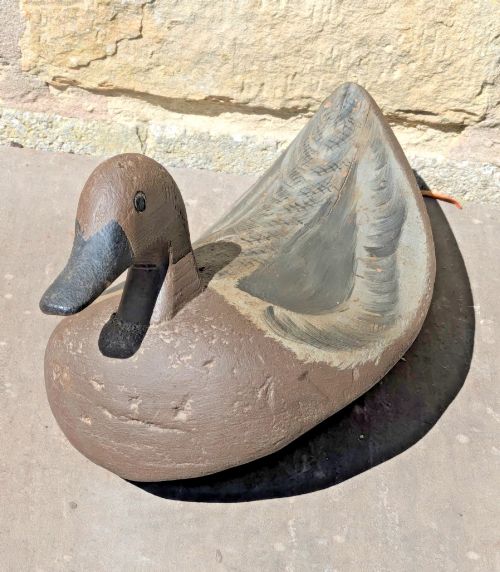
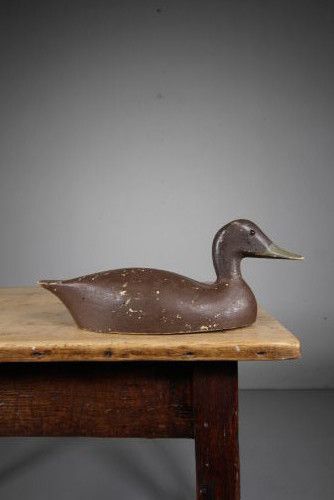
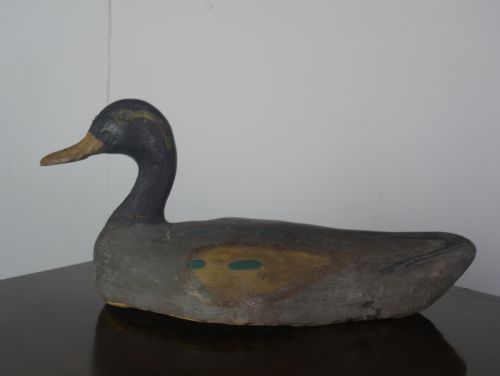
These folk art duck carving examples bring rustic character and handmade charm into a room, shaped from timber and finished with paint.
Folk Art Duck Carving
A folk art duck carving sits within the decorative objects and decorative sculptures categories, functioning primarily as ornamental display pieces. The items appearing here span the nineteenth century, the Edwardian era, and the nineteen twenties and thirties, with decoy ducks forming the central focus of the selection.
Makers shaped these water birds to serve both as working decoys and decorative sculptures, drawing on English country folk art traditions alongside French and American influences. A buyer meets individual examples as well as sets of three, occasionally encountering a loon with her chick rather than a standard duck.
The aesthetic relies on simplicity of form and honest construction rather than academic polish. These pieces reflect vernacular woodworking traditions from past centuries, carrying the weathered surfaces and worn paint that collectors seek for rustic interiors.
How they were made
Craftsmen shaped these decoys from solid wood and pine timber using hand carving techniques to achieve the characteristic silhouette of a water bird. Iron components occasionally appear in the construction, while glass was sometimes utilised for realistic eyes.
Makers finished the carved bodies with hand applied paint, capturing the plumage and markings of various water birds through layered brushwork. Decades of exposure to working conditions and domestic settings have since left these painted surfaces with natural weathering and patination.
One remarkably maternal decoy appears as an American loon accompanied faithfully by her tiny wooden chick.
What varies in quality
Quality rests in the sculptural vigour of the carving and the survival of the original painted surface. Pieces with bold, confident lines and untouched pigment possess greater visual strength than those with sterile or heavy restoration.
The character of the patination tells the story of the object's age and use. Retaining the genuine marks of working life separates a superior decorative carving from a flat or uninspired reproduction.
The Folk Art Duck Carving Glossary
- Decoy duck
- A carved and painted wooden water bird originally used to lure wildfowl within shooting range. These working objects are now collected as decorative folk art sculptures.
- Folk art
- Utilitarian and decorative objects created by self-taught or vernacular makers outside the academic fine art tradition. These pieces prioritise honest craftsmanship and regional style over formal training.
- Patina
- The surface sheen and colour depth developed by wood and paint through age, handling, and environmental exposure. A genuine patination cannot be artificially replicated with modern finishes.
- Edwardian
- Pertaining to the reign of King Edward the Seventh from nineteen hundred to nineteen ten. Pieces from this period often display refined proportions combined with traditional hand craftsmanship.
- Pine
- A softwood commonly utilised by vernacular carvers for its accessibility and workability. This timber forms the substantial body of many traditional decoy carvings.
Folk Art Duck Carving: Frequently Asked Questions
What is a folk art duck carving?
These pieces are handmade wooden sculptures created to resemble water birds, originating as working decoys or rustic ornaments.
Craftsmen carved them from timber and finished them with painted details, producing distinct decorative objects for the home.
How were decoy ducks used?
Fowlers floated or placed these wooden birds on the water to attract wild ducks within range during hunting expeditions.
Over time, their practical purpose faded, and collectors began valuing them purely for their rustic sculptural appeal.
How do I date an antique decoy?
Dating relies on observing the tool marks left by the carver, the species of timber used, and the composition of the paint layers.
Nineteenth-century examples often show distinct hand-chiselled surfaces, while Edwardian and later pieces reflect early twentieth-century vernacular styles.
How do I style these carvings at home?
These wooden water birds suit rustic, traditional, and eclectic interiors, sitting comfortably on bookshelves, mantelpieces, or side tables.
Displaying them singly or in small groups highlights their sculptural silhouettes and weathered painted surfaces.