

Rustic Carved Oak Cabinet
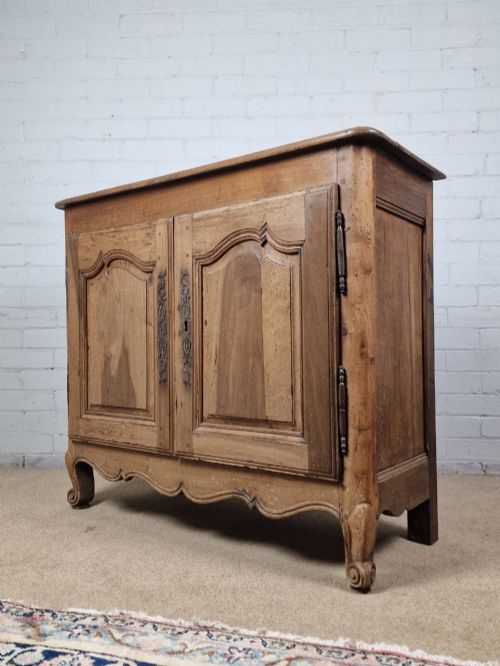
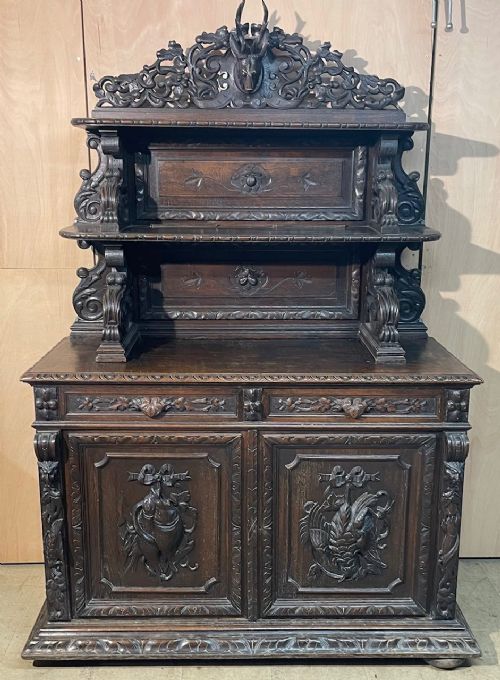
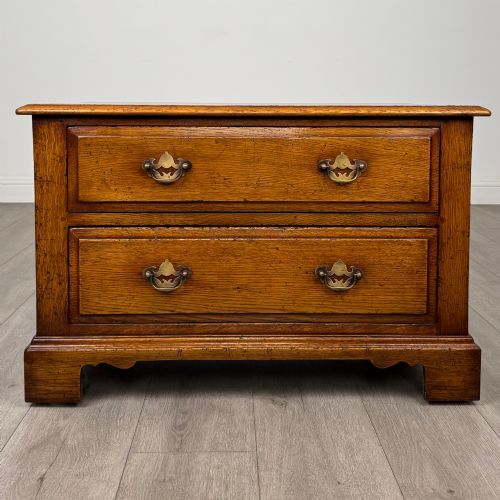
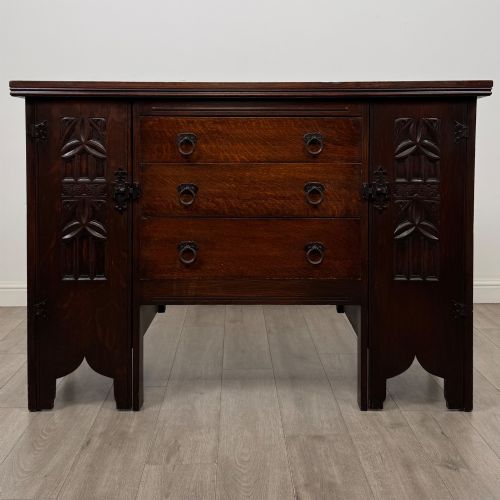
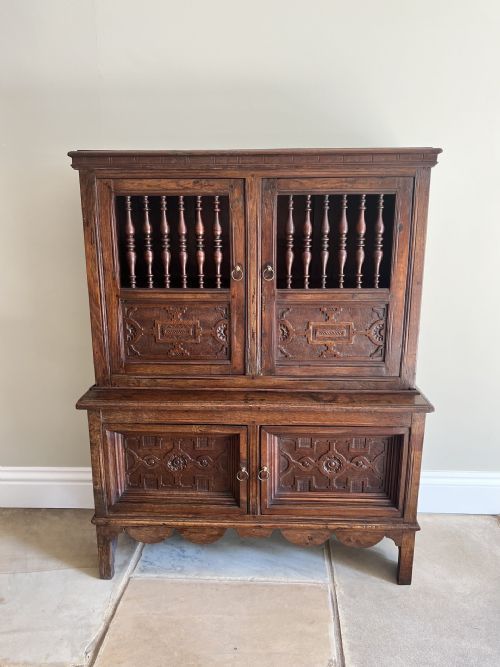
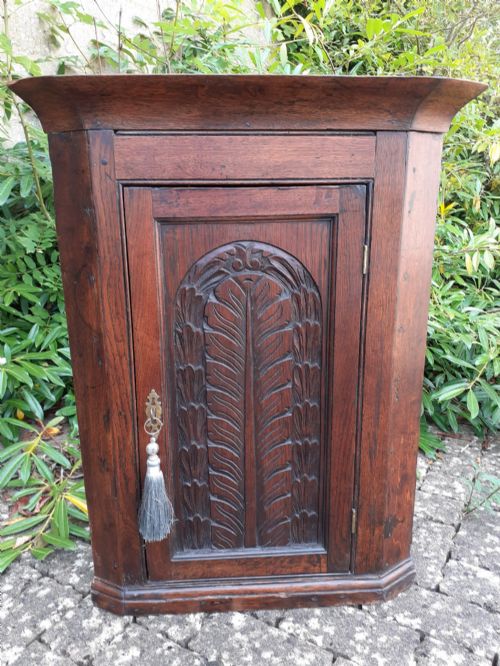
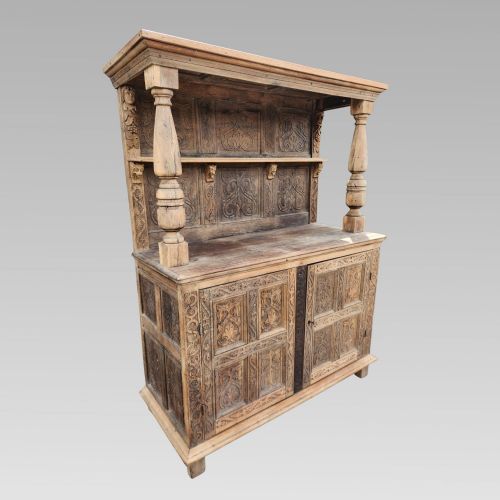
These heavy timbers and deep panels make a rustic carved oak cabinet a sturdy piece for storing everyday household provisions.
Rustic Carved Oak Cabinet
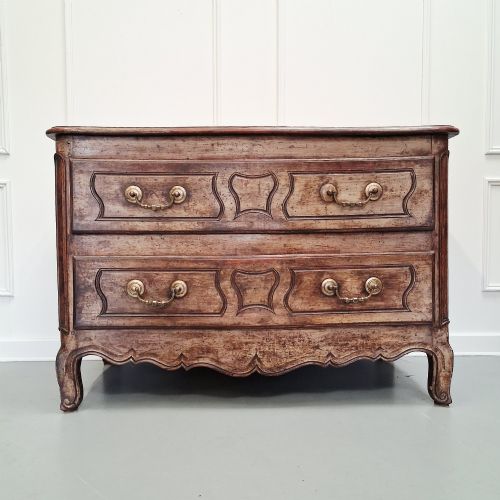
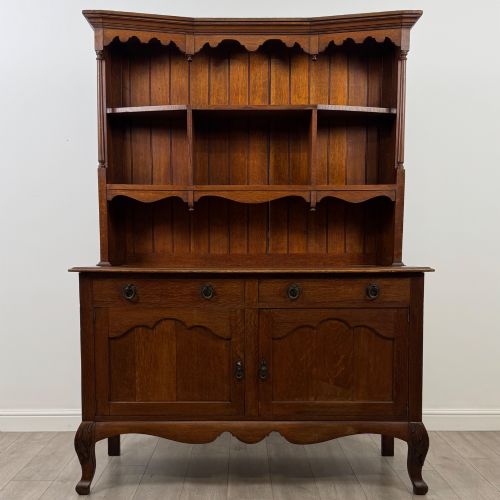
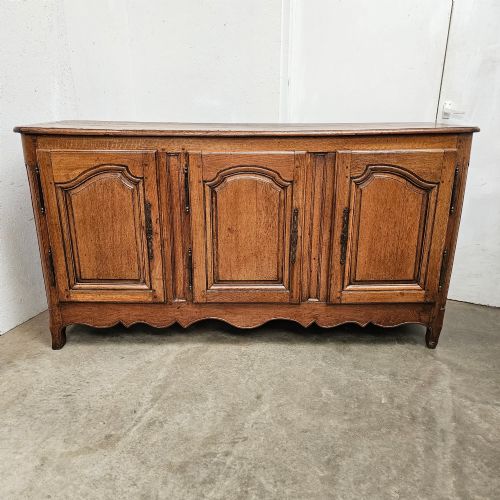
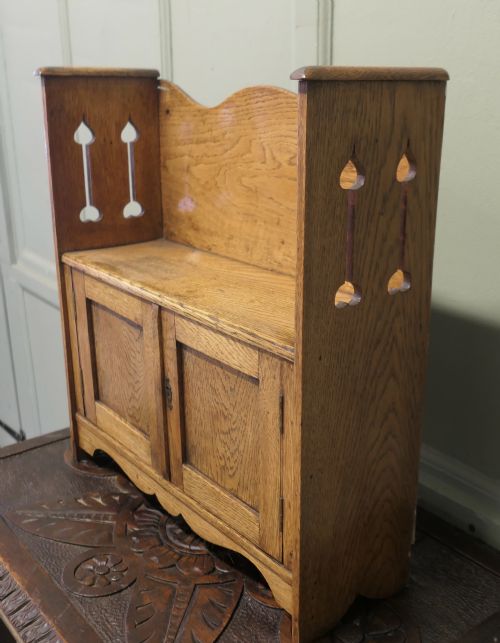
A rustic carved oak cabinet encompasses practical domestic storage forms built from sturdy local woods across the eighteenth and nineteenth centuries. Buyers encounter French provincial buffets, Welsh dressers with plate racks, corner cupboards, and low bedside units.
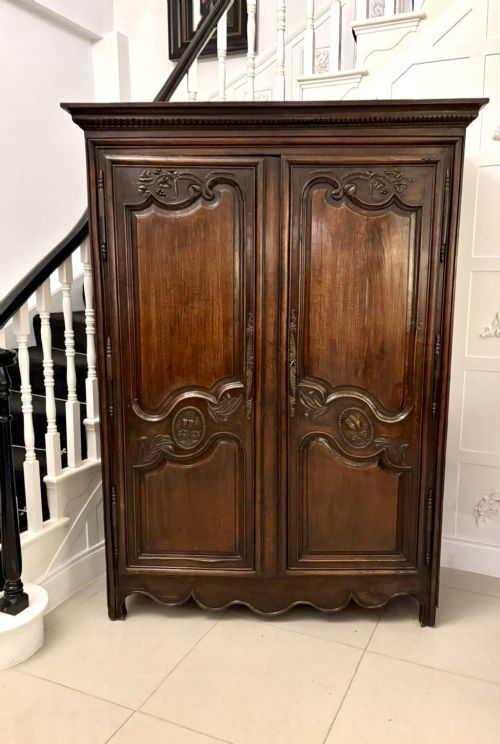
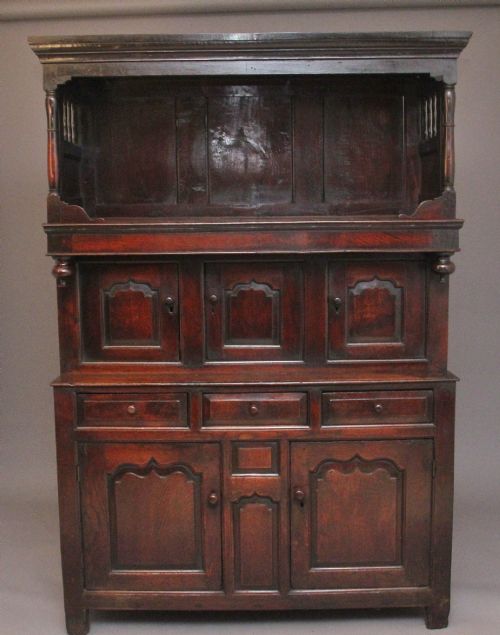
The domestic inventory on this page ranges from tall tridarns and armoires down to small wall-hanging cupboards. Many pieces originate from rural French provinces and English country workshops, showing regional functional traditions.
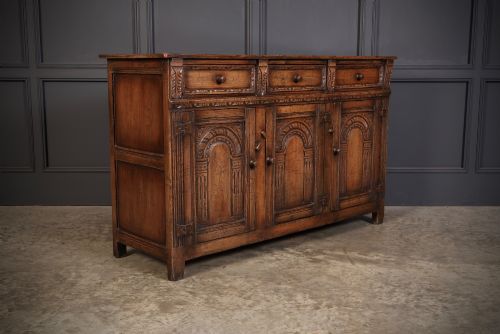
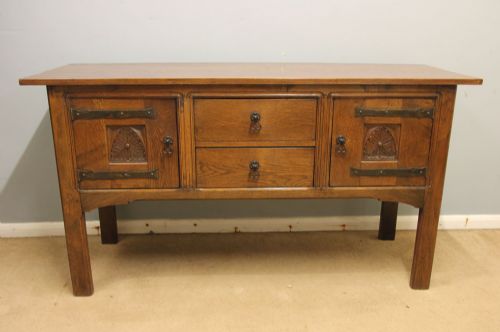
Sideboards and enfilades provide wider storage surfaces with heavy timber doors, while primitive cupboards retain original blacksmith hinges and locks. Each functional form reflects the storage needs of rural households before industrial production took over.
Materials and Construction
Makers built these pieces primarily from solid oak, sometimes combined with pine or chestnut for secondary internal boards. Carpenters joined heavy panels using traditional framing methods to handle the natural movement of unseasoned timber over decades.
Iron and wrought iron hardware, including hinges, locks, and handles, secure the heavy doors and drawers. Glass panels appear in later vitrines, while hand-carved friezes and panels decorate the structural surfaces without obscuring the grain of the wood.
Listings feature oak alongside pine, chestnut, and wrought iron elements across eighteenth and nineteenth-century forms.
Evaluating Construction and Age
Quality rests in the integrity of the original timber and the retention of early blacksmith-made ironwork rather than applied surface decoration. Pieces retaining their original locks, hinges, and backboards hold greater structural honesty than those rebuilt with modern fasteners.
The depth and crispness of the hand-carved details separate provincial vernacular work from later revival interpretations. Well-proportioned cornices and tight joints demonstrate the joiner's skill in balancing heavy timber weight.
The Rustic Carved Oak Cabinet Glossary
- Enfilade
- A long sideboard or buffet with multiple doors sharing a continuous frontage. These large storage units originated in French provincial dining rooms.
- Cwpwrdd Deuddarn
- A traditional Welsh two-section oak cupboard built for domestic storage. It usually incorporates panelled doors and carved friezes.
- Commode
- A low piece of furniture with drawers or doors designed for storage. French examples often feature deep panelled doors and heavy oak construction.
- Frieze
- The decorative horizontal band running along the upper section of a cabinet. Carvers often decorated this area with floral or geometric motifs.
Rustic Carved Oak Cabinet: Frequently Asked Questions
How do I date an oak cabinet?
Examine the construction marks, tool traces on internal boards, and the style of the iron hinges and locks. Hand-sawn timber and primitive joinery point towards earlier eighteenth-century origins.
Later revival pieces from the late nineteenth and twentieth centuries often display mechanical saw marks and standardised fixings. Comparing the panel construction to known regional styles helps narrow down the production period.
Where were these cabinets used?
These pieces served practical storage functions in rural kitchens, dining rooms, and hallways across France and Britain. Housekeepers used them to store dry goods, table linen, and everyday utensils.
Larger dressers displayed ceramic plates on open racks while concealing heavier pots behind solid panelled doors. Smaller bedside cabinets and corner units provided enclosed storage in private chambers.
How should I care for rustic oak?
Keep solid oak furniture away from direct heat sources and rapid temperature fluctuations to prevent the heavy timber from splitting. Apply occasional natural wax to nourish the dry wood surface.
Avoid synthetic polishes that build up a sticky residue over the hand-carved details. Gentle dusting with a dry cloth preserves the natural patina developed over centuries of use.
Are original iron fittings important?
Original blacksmith-made hinges, latches, and locks confirm the authenticity of early cupboards and prevent doubts about later alterations. Hand-forged ironwork displays minor irregularities that indicate pre-industrial production methods.
Replaced hardware alters the historical integrity of a primitive piece, though functional replacements are common on working farmhouse furniture. Matching the period of any metalwork is essential for correct attribution.