

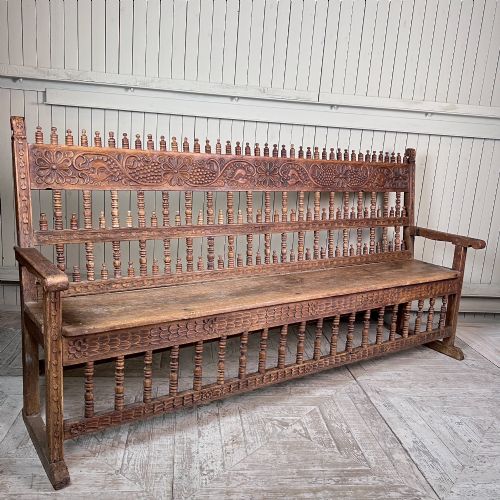
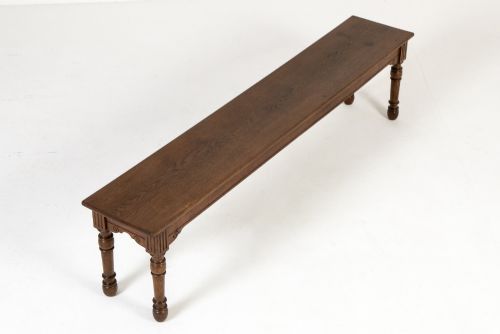


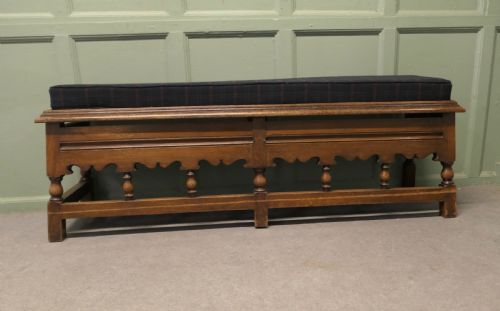


Rustic Carved Hall Seat
A rustic carved hall seat offers robust practical utility and regional character, grounding an entranceway with heavy timber and historic hand-work.
Rustic Carved Hall Seat
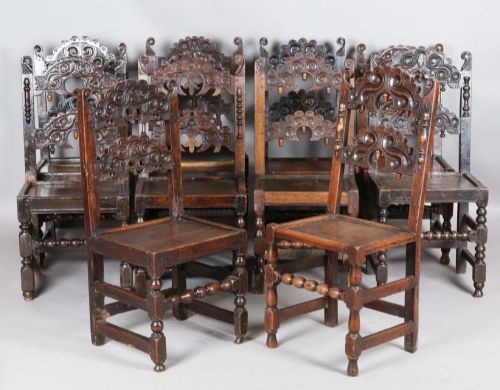
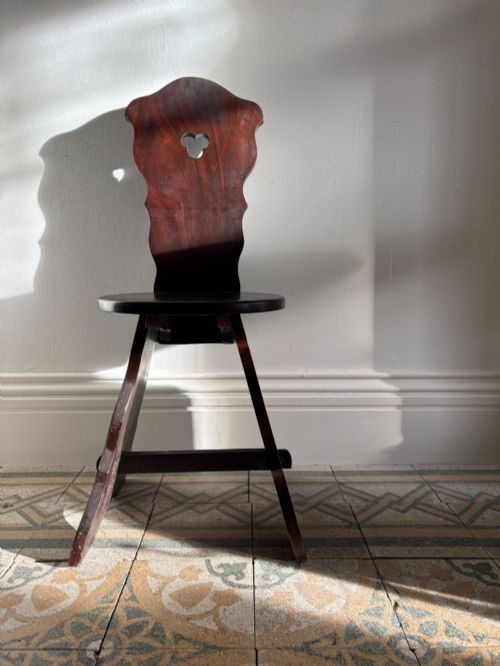
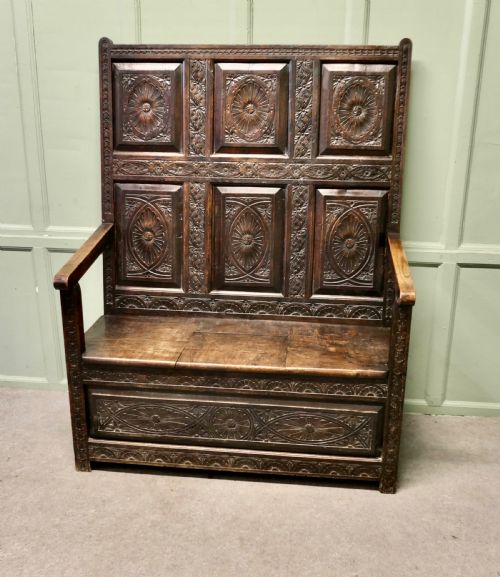
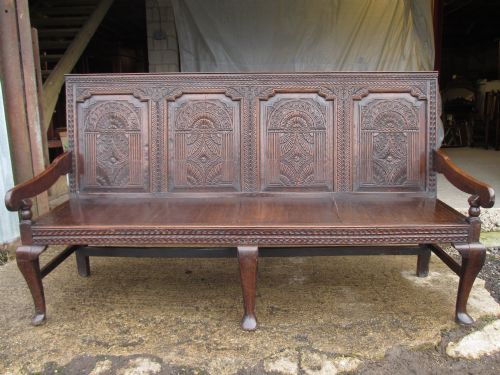
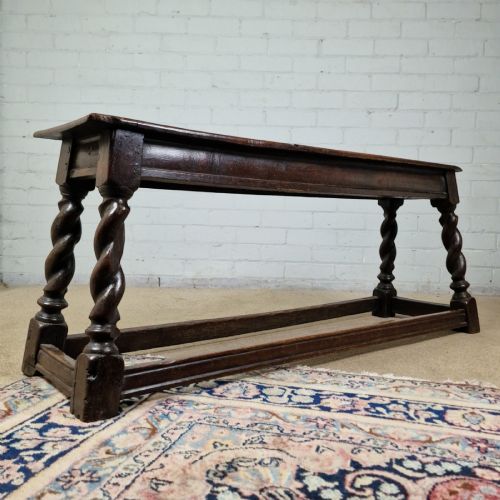
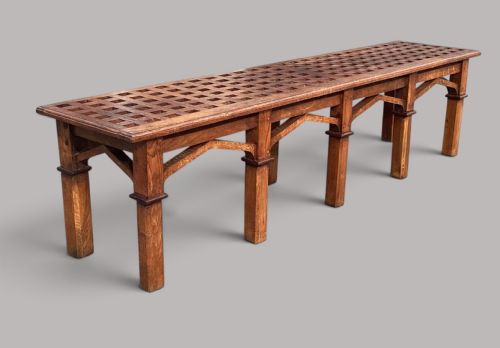
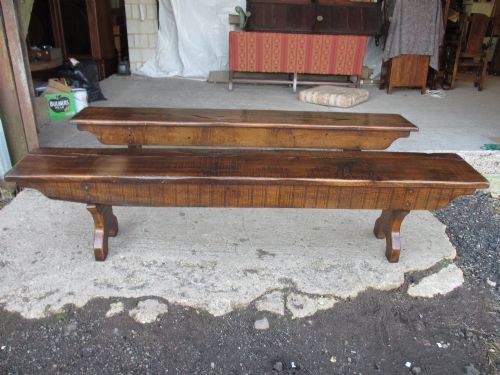
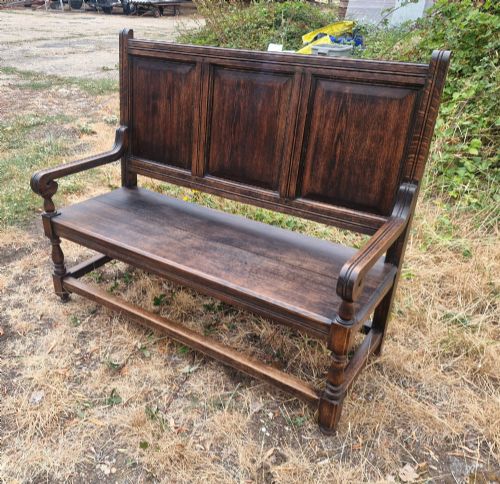
A rustic carved hall seat brings heavy wooden form to an entryway, corridor, or reception space. These pieces range from high-backed box settles and panelled benches to simple side chairs and long stools.
The selection here draws heavily on eighteenth-century and nineteenth-century examples, alongside Victorian and Edwardian interpretations. Oak, pine, elm, and pitch pine dominate the forms, reflecting vernacular and country traditions from Britain, France, Spain, and the Alpine regions.
How they were made
Carpenters and village joiners constructed these seats primarily using solid timbers like oak, pine, and elm, often joining panels with traditional pegged mortise and tenon joints. Carved ornamentation on backs and crests was executed by hand using gouges and chisels.
Secondary materials such as brass fittings or rush seating appear on specific regional types, while finishes range from natural waxed grain to historic painted surfaces.
Rustic Carved Hall Seat Retail Price Guide 2026
Typical asking prices for rustic carved hall seat among the pieces listed under this phrase on Sellingantiques today, from the lower quarter to the upper quarter. They describe what is for sale here now, not the wider market.
Regional styles represented include Swiss Black Forest work, Spanish colonial forms, French settles, and Welsh country benches.
What varies in quality
The distinction between ordinary utility work and superior pieces lies in the depth and execution of the carving and the integrity of the timber. Boldly carved crests, well-proportioned panelled backs, and heavy original boards elevate an item well above basic workshop production.
Surface preservation also dictates worth; examples retaining their original dry surfaces or early paint demonstrate greater integrity than those stripped or heavily restored in later periods.
The Rustic Carved Hall Seat Glossary
- Settle
- A wooden bench with a high back, solid arms, and frequently a box compartment beneath the seat for storage. This form kept drafts away from occupants in unheated historic halls.
- Trestle ends
- Support structures at either side of a bench or table, formed of vertical members connected to a horizontal foot. They provide stable ground contact for heavy seating.
- Folk art
- Items produced within a regional or vernacular tradition by artisans rather than academic craftsmen. Such pieces display local stylistic quirks and direct material usage.
- Box settle
- A variant of the bench featuring a hinged seat lid opening to a deep receptacle. This design doubled as a storage chest for blankets and garments.
- Gothic Revival
- An architectural and decorative style drawing on medieval forms, featuring pointed arches, tracery, and heavy mouldings. It appears frequently on nineteenth-century church chairs and hall benches.
Rustic Carved Hall Seat: Frequently Asked Questions
Where should I place a hall seat?
These pieces suit narrow corridors, large porches, and boot rooms where their sturdy construction handles daily comings and goings. They provide a firm spot to sit while removing footwear.
Ensure the depth of the seat or the swing of any box lid matches your floor space so pathways remain clear.
How do I care for antique oak timber?
Maintain the wood by applying a neutral beeswax periodically to nourish dry grain and protect the surface from moisture. Avoid placing timber seats directly against heat sources.
Gentle dusting with a soft cloth preserves the historic patina without stripping away character.
How can I tell an eighteenth-century piece from a later copy?
Examine the construction methods, tool marks, and timber shrinkage visible on the underside and interior panels. Eighteenth-century pieces show hand-riven or hand-sawn surfaces and pegged joints.
Wear patterns around the footrests and seat edges should align with centuries of physical use.