



Rustic Cane Holder
A rustic cane holder keeps walking sticks and umbrellas in order whilst bringing earthy texture and carved character into a hallway.
Rustic Cane Holder
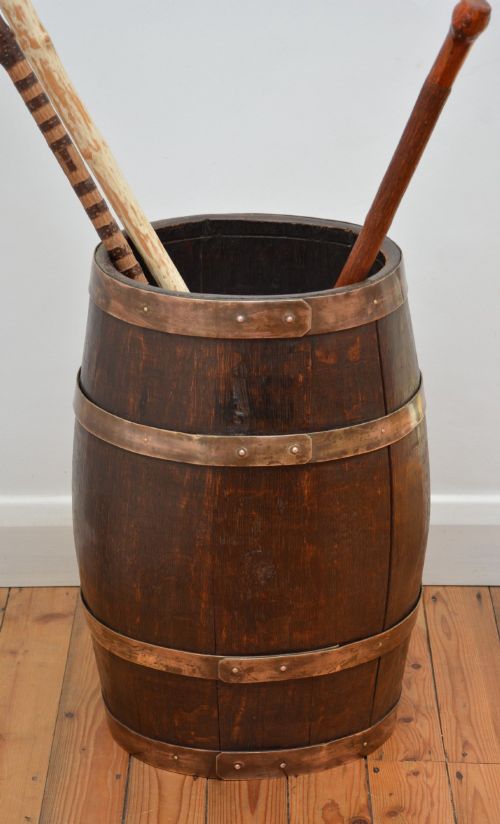
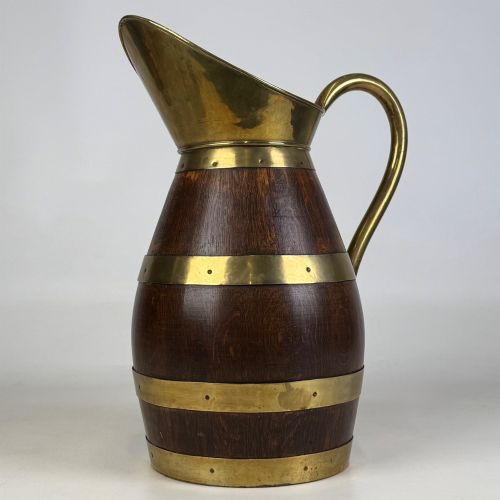
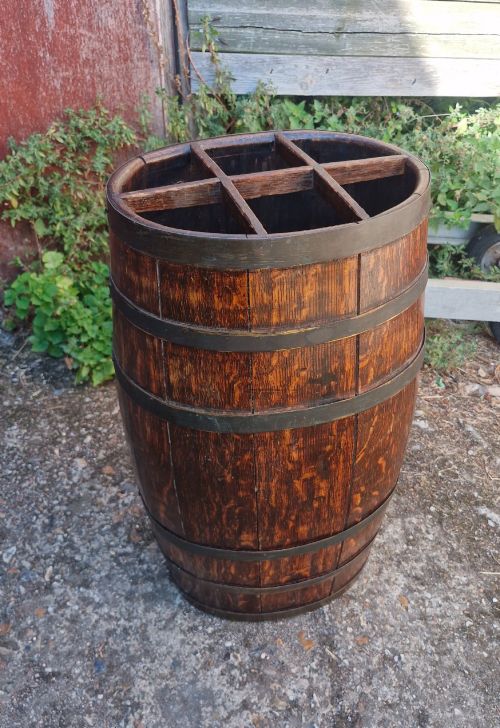
A rustic cane holder appears most frequently as an oak barrel, a coopered bucket, or a carved wooden figure designed to contain walking sticks and umbrellas. These hall furnishings date from the nineteenth century into the early twentieth century, spanning Victorian, Edwardian, and Arts and Crafts aesthetics.
The objects recorded here include umbrella stands, stick stands, and display racks shaped from logs, timber, and metal bands. Buyers encounter traditional English country designs alongside continental Black Forest carvings and Gothic Revival forms.
Materials and construction
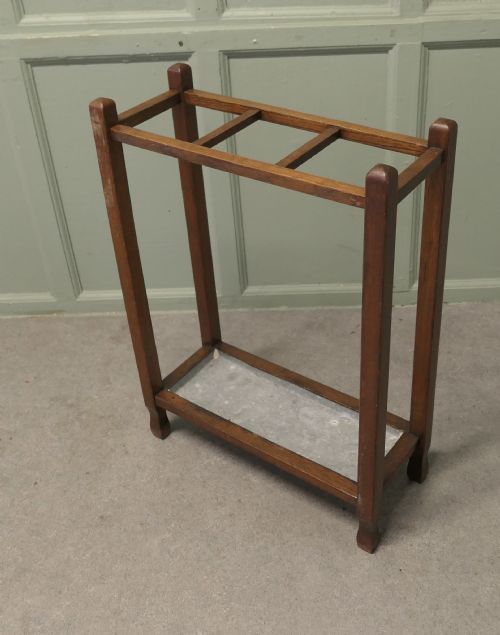
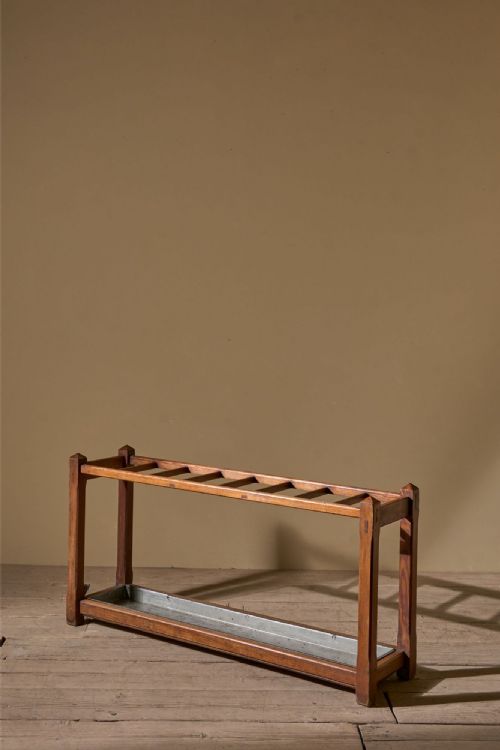
Coopers and joiners built these items using solid oak, pine, and lindenwood, often binding wooden staves with brass, zinc, or iron hoops. Carpenters shaped rectangular frames with compartmentalised sections and fitted metal drop trays at the base to catch moisture.
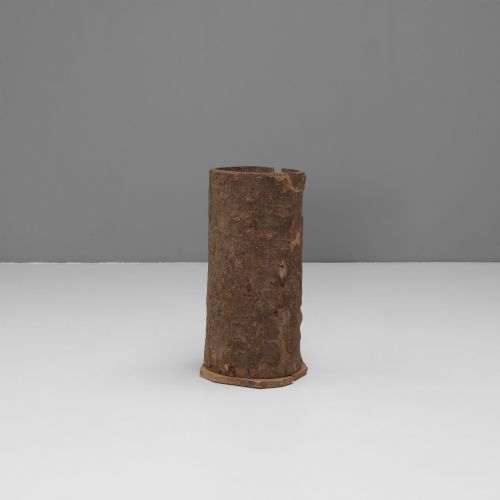
Carvers shaped lindenwood and log timber by hand, producing realistic animal figures and rustic bark textures that define the Black Forest and rustic vernacular styles.
Rustic Cane Holder Retail Price Guide 2026
Typical asking prices for rustic cane holder among the pieces listed under this phrase on Sellingantiques today, from the lower quarter to the upper quarter. They describe what is for sale here now, not the wider market.
Carved bears keep perpetual watch over stray umbrellas.
Quality and execution
The distinction between ordinary utility pieces and finer examples rests upon the depth of hand-carving and the integrity of the materials. Master carvers brought animals to life with expressive detail, whereas utilitarian coopered barrels relied on the simple strength of their brass or metal banding.
Proportion and structural honesty separate better workshops from mass production. An authentic piece maintains its original metal linings and sturdy timber framing without resorting to excessive modern repairs.
A. Kenrick & Sons
The Rustic Cane Holder Glossary
- Coopered
- Constructed from wooden staves bound together with metal hoops, much like a traditional barrel. This technique ensured the container could hold wet umbrellas safely.
- Drop tray
- A removable metal basin placed at the bottom of a stand to catch water from wet sticks and umbrellas. It protected wooden floors from dampness and rot.
- Black Forest
- A style of wood carving originating from the mountainous regions of central Europe, famous for realistic depictions of bears and woodland animals. These pieces served decorative and functional purposes in large halls.
- Arts and Crafts
- A design movement valuing hand craftsmanship and simple, honest materials over machine production. Objects from this tradition display plain oak construction and visible metalwork.
Rustic Cane Holder: Frequently Asked Questions
What is a rustic cane holder?
A rustic cane holder is a functional hall accessory designed to store walking sticks, canes, and umbrellas.
These pieces utilise natural materials such as oak, log timber, and carved wood to introduce texture to entranceways.
How were these stands used?
Victorian and Edwardian households placed them in hallways and boot rooms to organise outdoor gear.
Metal liners and drop trays collected water from wet umbrellas to protect household flooring.
How do I date a stick stand?
Dating relies on observing construction methods, timber types, and stylistic movements like Gothic Revival or Arts and Crafts.
Nineteenth-century examples often feature hand-coopered staves and solid oak framing rather than modern adhesives.
What woods appear most often?
Oak is the predominant timber found in these nineteenth and early twentieth-century listings.
Other materials include pine, lindenwood, and bark-covered logs paired with brass or iron bands.