






Rustic Ash Elbow Chair
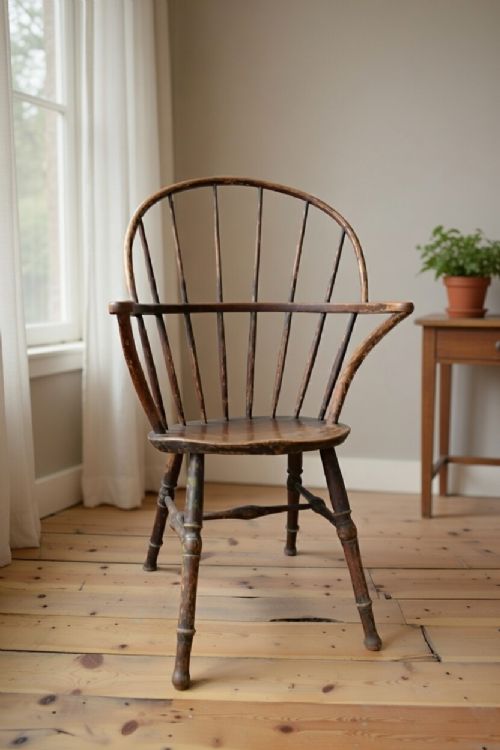
A rustic ash elbow chair brings tactile country character to an interior, pairing robust native timber with honest vernacular form.
Rustic Ash Elbow Chair
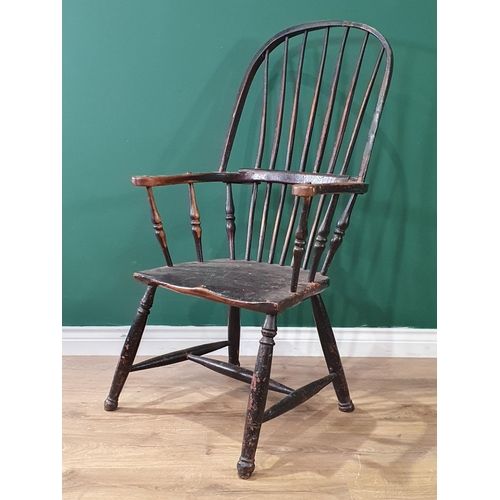
A rustic ash elbow chair is a traditional seating form rooted in English country craftsmanship, designed for utility and everyday endurance. These armchairs and carver chairs emerge primarily from the 18th century, the Georgian era, and the 19th century, carrying the hallmarks of vernacular British design.
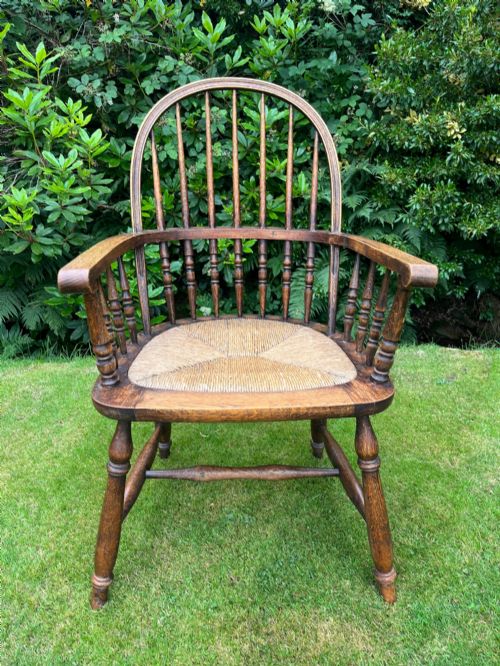
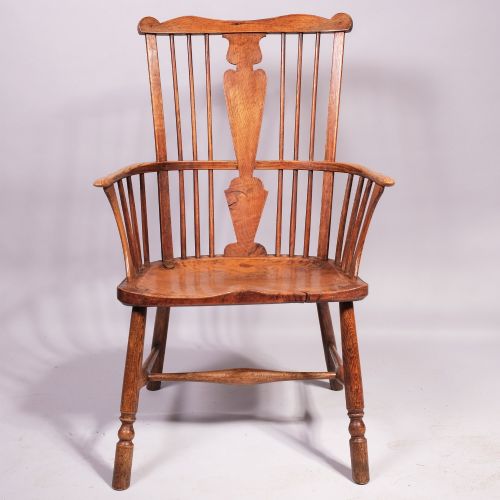
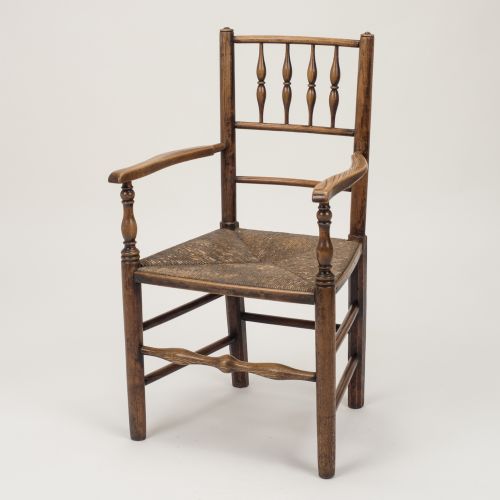
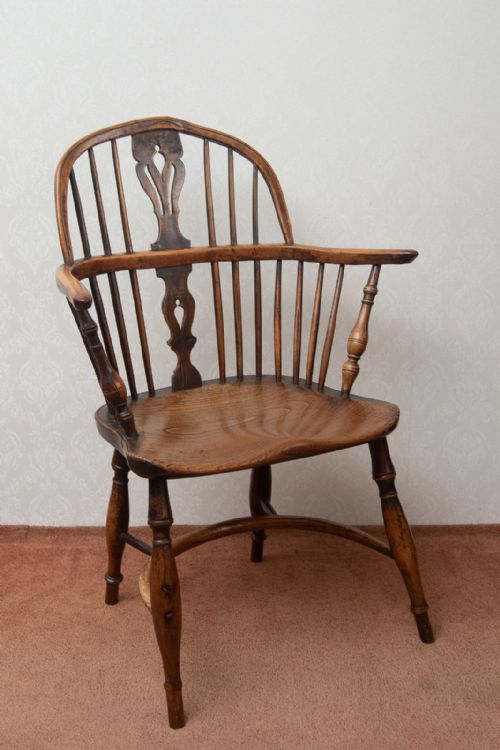
The versions most frequently encountered on this page combine ash frameworks with elm seats, often featuring stick backs, low backs, or comb backs. They range from West Country and Yorkshire Windsor styles to simpler country stick chairs and smokers bows.
How they were made
Maker-wrights relied on native hardwoods, combining turned ash spindles and legs with solid, heavily saddled elm seats shaped for comfort. Yew, beech, oak, and fruitwood also appear in specific regional frameworks and bentwood components.
Rustic Ash Elbow Chair Retail Price Guide 2026
Typical asking prices for rustic ash elbow chair among the pieces listed under this phrase on Sellingantiques today, from the lower quarter to the upper quarter. They describe what is for sale here now, not the wider market.
Many of these sturdy country chairs survived centuries of vigorous household use thanks to elm seats so tough they routinely dulled the maker's carving tools.
What varies in quality
The distinction between standard utility seating and exceptional work lies in the sculptural ambition of the crest rail and the ergonomic depth of the elm seat. Finer examples display more complex timber figuring, such as yew wood accents or well-matched fruitwood elements within complex comb backs.
Proportion and stance dictate the visual success of the piece, where tapered spindles and balanced arm bow sweeps create a lighter, more graceful silhouette despite the heavy materials. Original surface patination and minimal structural alteration preserve the historical integrity that separates everyday vernacular from superior regional expression.
The Rustic Ash Elbow Chair Glossary
- Elm seat
- A solid wooden seat base sculpted with a central hollow or saddle shape for sitting comfort. Elm was chosen for its interlocking grain, which resists splitting under the stress of vertical spindle mortises.
- Comb back
- A Windsor chair variation where the vertical spindles extend upward through a horizontal top rail, resembling the teeth of a comb. This regional style often incorporates decorative ears or scroll terminals.
- Stick back
- A chair construction method where turned or cleft wooden rods connect the seat directly to the arm bow or top rail. It represents a simpler, more direct approach to vernacular seating.
- Smokers bow
- A low-backed armchair with a continuous curved arm rail supported by turned spindles above a solid wooden seat. These chairs gained popularity in domestic and tavern settings during the 19th century.
- Vernacular
- Objects designed and built by local craftsmen using regional traditions and readily available materials rather than high-style academic architectural rules. These pieces reflect local practical needs rather than metropolitan fashion.
Rustic Ash Elbow Chair: Frequently Asked Questions
How do I date an antique ash chair?
Dating relies on examining the construction methods, tool marks, and timber wear visible across the framework and seat base. Earlier pieces from the 18th century often display broader plank seats, hand- cleft spindles, and specific regional Windsor comb configurations.
Later 19th-century and 1920 examples frequently show more mechanised turning, standardised spindle diameters, and lighter overall framing. Comparing the joinery style helps narrow the period of origin.
Where were these country chairs made?
These chairs originated in rural workshops across different regions of Britain, including Yorkshire and the West Country. Local timber availability heavily influenced the choice of woods used in each distinct geographical area.
Maker-wrights utilised local ash for flexible components and elm for solid seats, resulting in recognisable regional variations in chair design.
How do I live with a wooden armchair?
Living with these chairs involves placing them away from direct heat sources and rapid temperature fluctuations that can dry out the native timber. Regular dusting and occasional mild waxing help maintain the historic patination on the ash and elm surfaces.
They function well as desk chairs, fireside seating, or decorative accents in both traditional and contemporary interiors.