


Rustic Carpet
A rustic antique carpet brings genuine tribal warmth and weathered character to a room through centuries of hand-knotted village tradition.
Rustic Carpet
A rustic antique carpet encompasses hand-knotted tribal and village floor coverings originating from Persian, Anatolian, and Caucasian weaving traditions. Buyers searching for this phrase encounter various room-sized carpets, runners, and smaller rugs dating from the mid-nineteenth century up to the early twentieth century.
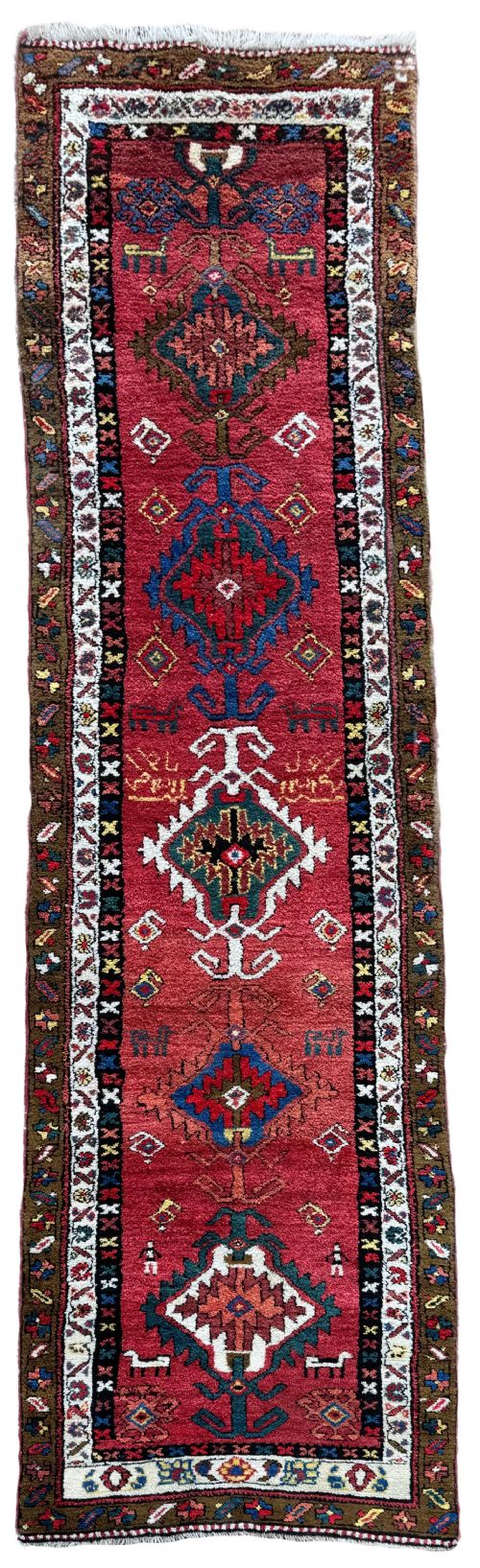
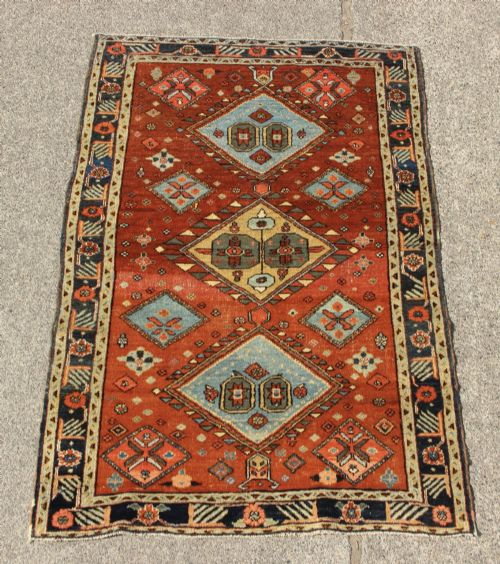
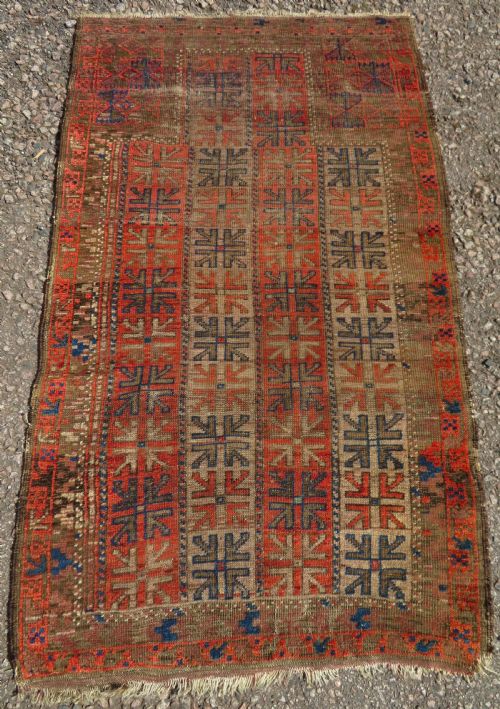
The selection on this page leans heavily toward Heriz carpets, alongside Baluch prayer rugs, Kurdish runners, and Turkish village flatweaves. These textiles reflect nomadic and village lifestyles, displaying geometric motifs and organic dyes shaped by hands far removed from urban workshops.
How they were made
Weavers constructed these pieces predominantly using wool and hand-spun wool, frequently utilising a cotton warp to provide structural stability to the foundation. Camel wool also appears in specific tribal pieces, lending a natural, undyed warmth to the pile.
The creation process involved hand-knotting or flatweaving techniques passed down through generations. Artisans sourced natural materials locally, translating regional tribal symbols into durable floor coverings designed for everyday domestic use.
Some Baluch cushion covers started life as utilitarian grain bags before finding new purpose as domestic furnishings.
What varies in quality
The distinction between tiers rests upon the handled integrity of the wool and the depth of the natural dye palette. Superior examples display dense, resilient knotting alongside harmonious colour variation that deepens gracefully with age.
Execution of design also dictates the standing of a piece, separating straightforward utilitarian weaving from expressive tribal artistry. The balance of proportion within medallions and borders reveals the individual weaver's mastery of traditional geometry.
The Rustic Carpet Glossary
- Warp
- The vertical foundation threads stretched tightly on a loom before knotting begins. These parallel strands carry the structural weight of the textile.
- Kilim
- A flatwoven textile produced without a pile by tightly interweaving warp and weft threads. These pieces function as lightweight floor coverings or decorative hangings.
- Medallion
- A central ornamental motif positioned in the middle of the field. This focal design element dominates the symmetrical layout of many regional carpets.
- Prayer rug
- A small format textile featuring a niche or arch design indicating the direction of prayer. Weavers traditionally used these for personal devotion.
Rustic Carpet: Frequently Asked Questions
How do I care for a rustic antique carpet?
Vacuum gently using suction only without a rotating brush bar to protect the aged wool pile. Professional cleaning suited to antique textiles preserves the natural fibres over decades of domestic use.
Keep the piece away from prolonged direct sunlight to prevent natural dye fading. Rotating the carpet periodically ensures even foot traffic distribution across the surface.
How do I date an antique village rug?
Stylistic indicators such as primitive geometric structures, palette composition, and wool preparation point toward specific production eras. Analysing the structural weave density and edge finishes helps narrow down the period.
Most pieces originate from the nineteenth and early twentieth centuries, reflecting traditional pre-synthetic dye methods. Natural wear patterns accumulated over generations also signal considerable age.
Can I use runners in high-traffic hallways?
Sturdy wool construction and resilient knotting make many antique runners suitable for corridors and staircases. The dense pile naturally resists everyday friction from footsteps.
Using a quality underlay prevents slipping and cushions the foundation against hard flooring surfaces. This extra layer reduces internal fibre stress during daily use.