

Rural Oil Canvas
A rural oil canvas captures the enduring quiet of fields, farmyards and country lanes through the rich textures of oil paint.
Rural Oil Canvas
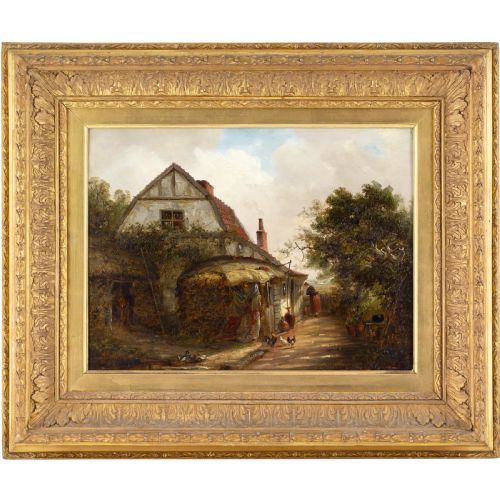
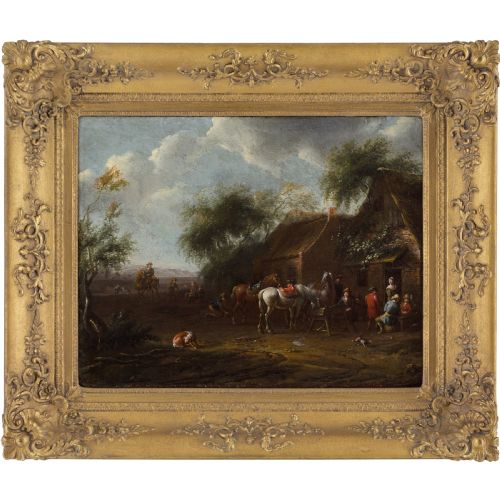
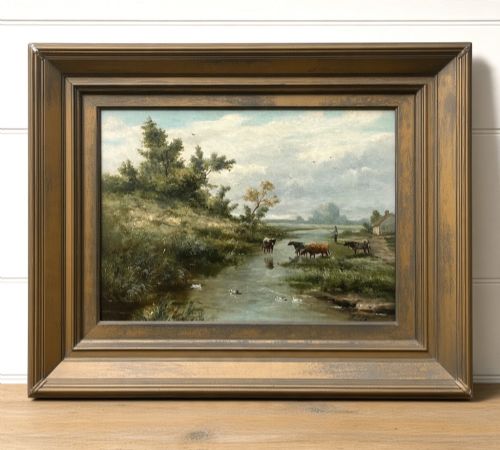
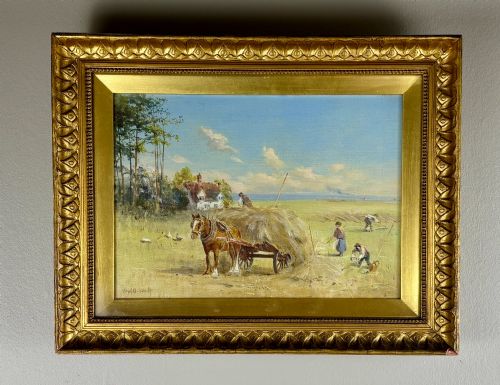
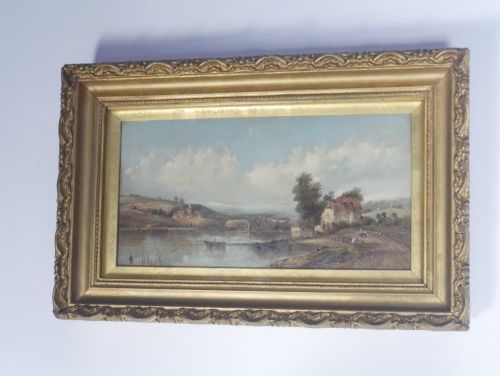
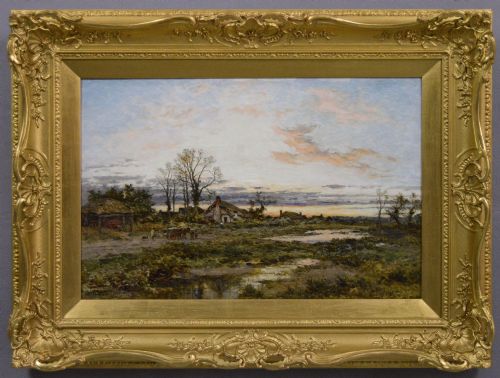
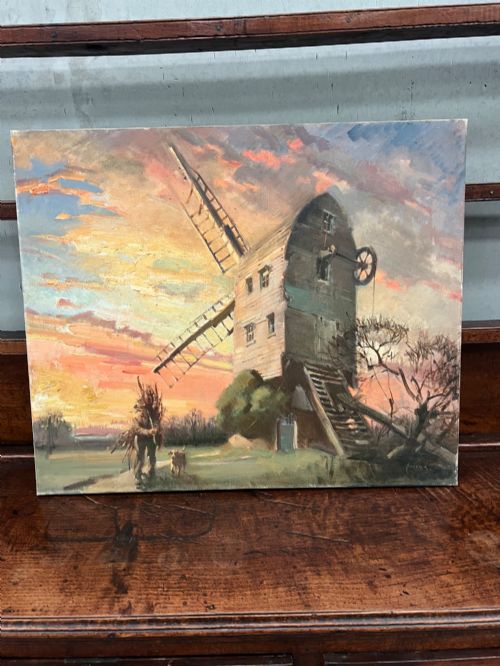
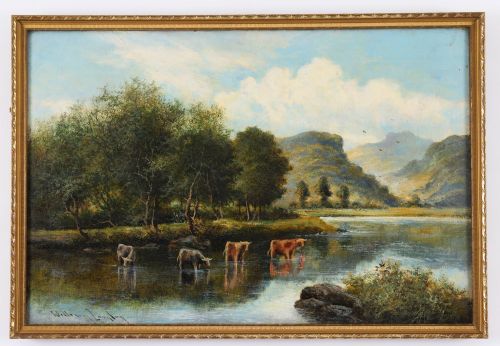
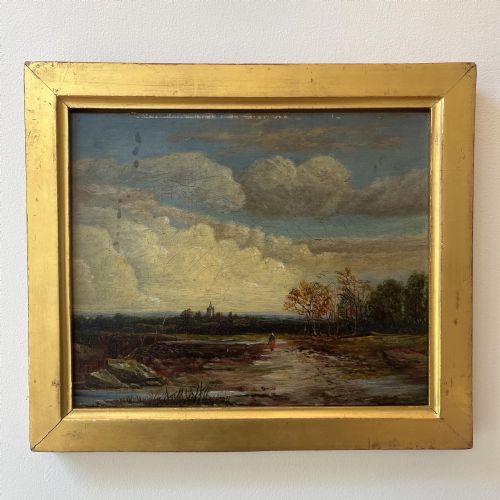
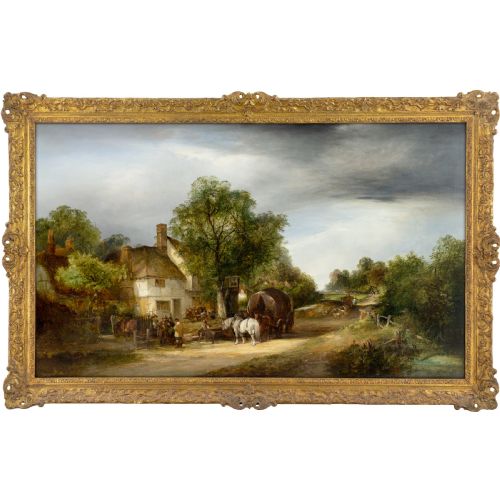
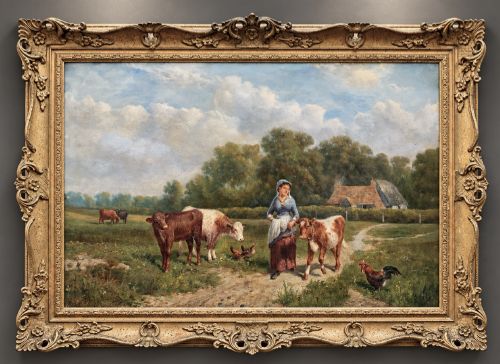
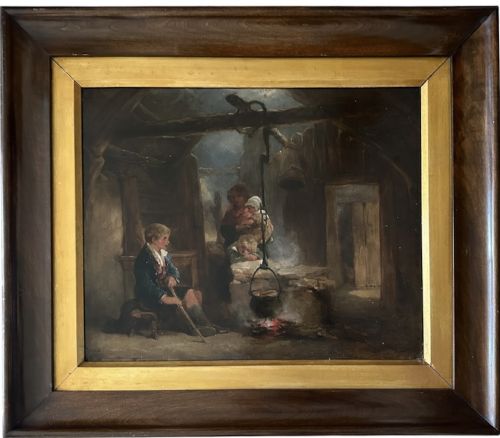
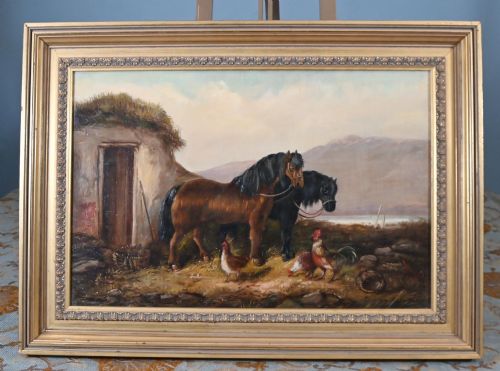
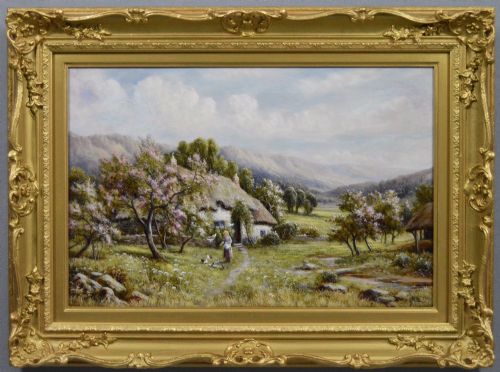
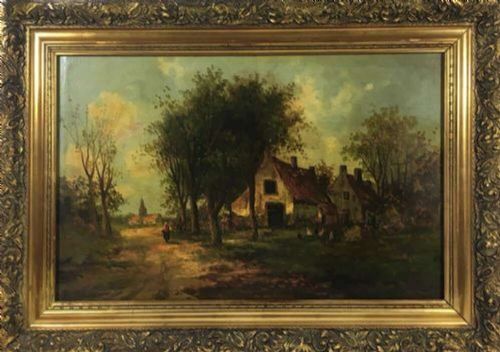
A rural oil canvas brings pastoral scenes, agricultural labour and country cottages into focus through historical paintings. These works span the nineteenth century and the early decades of the twentieth century, capturing landscapes, farm animals and village life.
The most common examples encountered on this page originate from British and French artists working in Victorian, Impressionist and Post-Impressionist traditions. Subjects frequently include cattle, harvest fields, river paths and cottage doorways.
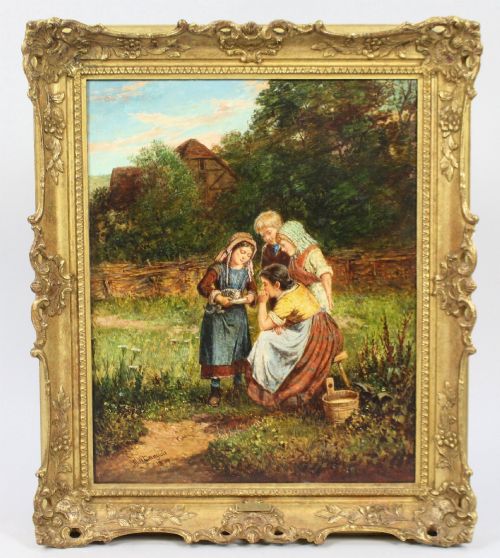
These oil paintings range from expansive landscape views to intimate genre scenes depicting daily rural routines. Works often reflect specific regional settings across Britain and France, recorded by named painters and uncredited hands alike.
Materials and technique
Artists applied oil paint directly onto stretched woven canvas or wooden board substrates, building compositions through layered brushwork and pigment manipulation. The physical support provided a stable, textured base capable of holding heavy impasto and subtle glazes alike.
Framing typically incorporated wood mouldings finished with gesso and gold leaf to complement the painted surface. These decorative surrounds protected the perimeter of the canvas while enhancing the visual depth of the artwork.
Rural Oil Canvas Retail Price Guide 2026
Typical asking prices for rural oil canvas among the pieces listed under this phrase on Sellingantiques today, from the lower quarter to the upper quarter. They describe what is for sale here now, not the wider market.
British and French artistic traditions dominate these rural scenes, encompassing Victorian realism alongside impressionist and post-impressionist styles.
Assessing quality and execution
Quality rests on the confidence of the brushwork, the handling of natural light and the structural integrity of the painted surface. Superior canvases demonstrate precise draughtsmanship in figures and animals alongside a harmonious balance of tone and colour.
The sophistication of the composition and the artist's ability to evoke atmospheric depth distinguish finer works from simpler decorative pieces. Original frames featuring period gesso and gold leaf further elevate the integrity of a canvas.
William Langley·Samuel Joseph Clark·Hugh Barry-Scott·William Manners·Thomas Thomas·Edward Charles Williams·William Shayer·George Whitton Johnstone·George Graham·Herbert Royle·Robert Morson Hughes·Mark William Langlois·David Bates·Robert John Hammond·Walter Heath Williams·John Horace Hooper·George Augustus Holmes·Raymond Booth·Eric Brown·Ernest Higgins Rigg·Edgar Hunt·Umberto Volpato·William Greaves·Sydney Yates Johnson·Owen Bowen
The Rural Oil Canvas Glossary
- Canvas
- A heavy woven fabric stretched across a wooden frame to serve as a foundation for oil painting. It provides the characteristic texture visible beneath historical pigment layers.
- Impasto
- Paint applied thickly to a canvas, standing in relief and retaining the distinct marks of the brush or palette knife. This technique adds tactile dimension to highlights and water surfaces.
- Barbizon School
- A nineteenth-century French artistic movement focused on direct observation of nature and rural landscapes. Painters associated with this group emphasised realistic portrayals of light and rustic environments.
- Genre Painting
- The pictorial representation of scenes from everyday life, including agricultural labour, farmyard animals and cottage interiors. These works document human activity within rural settings.
- Gesso
- A traditional primer mixture of binder mixed with chalk or plaster applied to wood frames before gilding. It creates a smooth surface for the application of gold leaf.
Rural Oil Canvas: Frequently Asked Questions
What subjects appear on these canvases?
These works display agricultural landscapes, farmyard animals, harvest fields and cottage doorways across the nineteenth and early twentieth centuries.
Scenes frequently document working horses, cattle, sheep and figures engaged in traditional rural labour or quiet village life.
How do I identify the period of a painting?
Dating relies on stylistic clues, artist signatures, framing materials and the preparatory methods used on the canvas or board. Victorian works often display detailed realism, whereas later pieces from the early twentieth century lean towards impressionistic brushwork.
Examining the reverse of the canvas can reveal historical labels, inscriptions or stamps that help narrow down the date of creation.
Where were these rural scenes painted?
Paintings originate primarily from British and French artists recording local landscapes in regions such as Yorkshire, Cornwall, Sussex and Normandy. Painters worked both outdoors in the open air and inside studios using preliminary sketches.
Regional topography and distinct agricultural practices of the period inform the specific settings captured in each composition.
How should I care for an antique oil painting?
Preserving these artworks involves keeping them away from direct sunlight, high humidity and sudden temperature fluctuations. The canvas and wooden frame benefit from gentle dusting with a soft, dry brush without applying moisture or cleaning solutions.
Professional conservation is recommended for any structural repairs to the canvas, paint layer or antique gold leaf frame.