

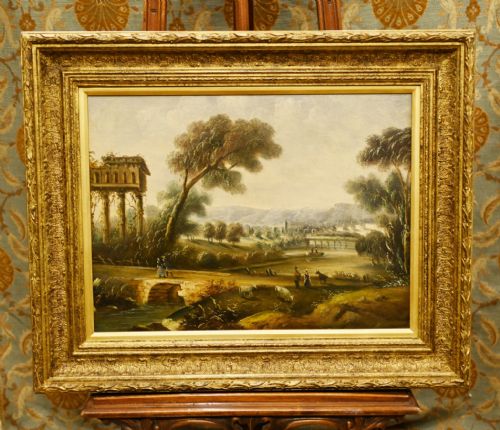


Ruin Landscape Artwork
These ruin landscape artwork pieces capture the melancholic beauty of fallen classical architecture and medieval abbeys, drawing collectors through their rich historical atmosphere.
Ruin Landscape Artwork
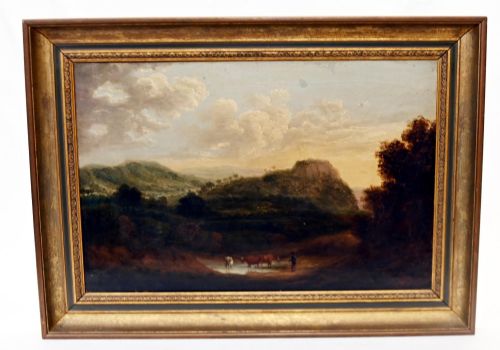
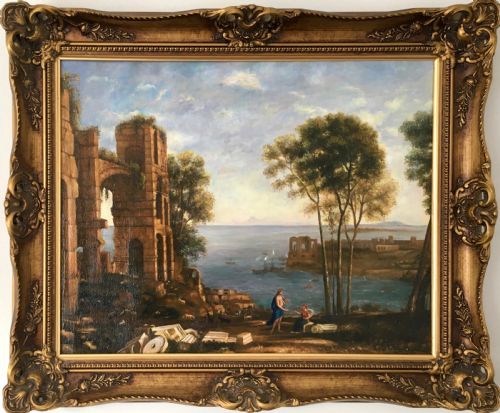
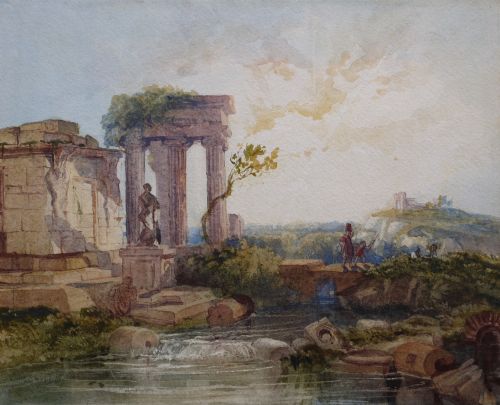
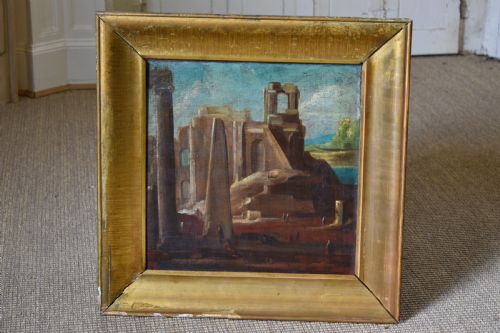
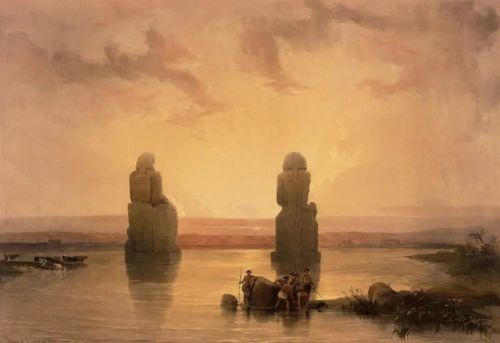
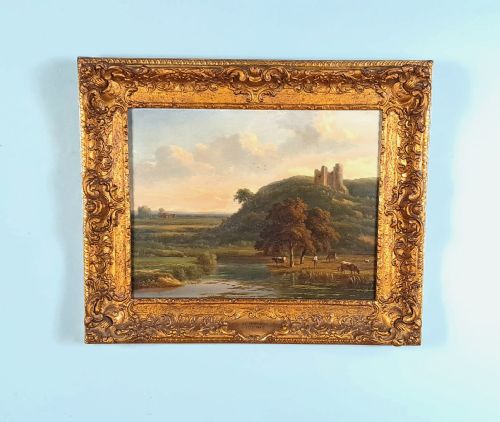
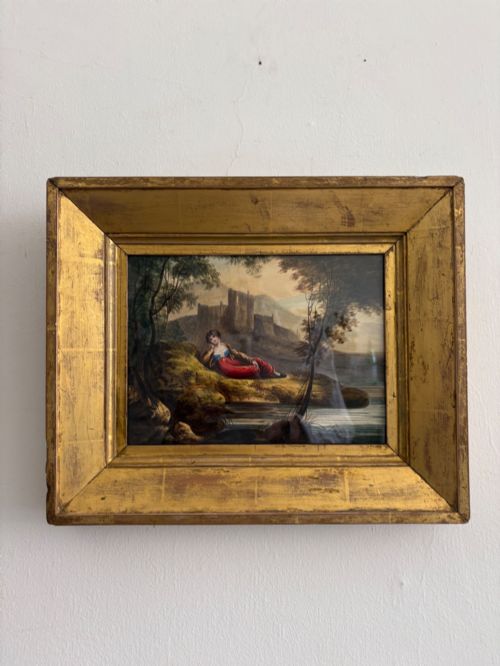
A ruin landscape artwork presents scenes of decayed castles, abbeys, and classical architecture integrated into pastoral or coastal settings. These pieces range from intimate topographical watercolours to expansive oil paintings on canvas and board.
Most examples originate from the eighteenth and nineteenth centuries, reflecting the widespread popularity of the Grand Tour and domestic antiquarian travel. Buyers encounter works produced by named regional artists as well as anonymous British and continental schools.
Materials and Techniques
Artists deployed watercolour, gouache, and oil pigments upon paper, prepared panel, and canvas supports to render these architectural subjects. Watercolour and gouache washes allowed travellers to record classical sites swiftly during continental tours, while oils on canvas suited larger studio compositions.
Frames play a vital structural role, frequently employing giltwood or gilded wood moulding to complement the romantic tone of the painted surface.
Ruin Landscape Artwork Retail Price Guide 2026
Typical asking prices for ruin landscape artwork among the pieces listed under this phrase on Sellingantiques today, from the lower quarter to the upper quarter. They describe what is for sale here now, not the wider market.
Mediums include watercolour, oil, gouache, and ink across various regional British and continental schools.
Judging Quality
Quality rests upon the precision of architectural perspective and the atmospheric integration of figures within the landscape. Superior works balance the geometric severity of crumbling masonry with sensitive handling of foliage, water, and sky.
The strength of provenance and attribution distinguishes exceptional pieces, alongside the survival of original or period-appropriate gilt framing.
Francesco Guardi·Angelo Maria Crivelli·David Roberts·T C Hofland·Giovanni Paolo Panini·Claude Lorrain·George Gregory·Francesco Zuccarelli·John Sowden·Fred Lawson·Tom Dudley·William Crouch·Lamorna Birch·Everett Watson Mellor·George Graham·Henry Bright·Julius Ceaser Ibbetson
The Ruin Landscape Artwork Glossary
- Capriccio
- An architectural fantasy placing together buildings, archaeological ruins and other architectural elements in a fictional combination. This Italian style permits artists to rearrange classical monuments for picturesque effect.
- Grand Tour
- A traditional trip of Europe undertaken by upper-class European young men of sufficient means. Travellers frequently commissioned topographical watercolours and gouaches of Roman and Neapolitan antiquities as mementos.
- Gouache
- An opaque method of watercolour painting using water-soluble pigments bound in glue. It provides heavier coverage and brighter highlights than transparent watercolour.
Ruin Landscape Artwork: Frequently Asked Questions
What is a ruin landscape?
A ruin landscape depicts decayed historical structures such as medieval abbeys, castles, or classical Roman remains set within natural surroundings. These compositions often evoke a sense of the passage of time and the triumph of nature.
Artists across the eighteenth and nineteenth centuries favoured these subjects to engage viewers with romantic, historical, and picturesque ideals.
Where were these artworks created?
These pieces originate from British and continental European studios, often recording specific sites visited during travels to Italy, France, and various regions of Britain. Locations range from Roman forums and Neapolitan ruins to Yorkshire abbeys.
Travellers and artists produced field sketches on paper before developing finished watercolours or oil paintings upon returning home.
How do I care for antique watercolours?
Antique watercolours on paper require protection from direct sunlight and high humidity to prevent fading and foxing. Framing behind conservation-grade glass safeguards the delicate pigments and paper supports from environmental damage.
Displaying these works in stable indoor conditions ensures the longevity of both the artwork and its period gilt frame.
How are periods told apart?
Eighteenth-century works often reflect neoclassical or romantic ideals with balanced, theatrical compositions, whereas nineteenth-century pieces frequently embrace the topographical precision of the Victorian era and the Grand Tour. Stylistic shifts in clothing, framing, and brushwork provide key chronological markers.
Examining the backing material, paper watermarks, and inscriptions helps confirm the date of execution.